Many people say that sleep is important and that we need to rest up, but why exactly is that so? What are the actual benefits of sleep, and what could go wrong when we don’t actually get a full night’s rest? A good night’s sleep doesn’t just lie in the amount of time that you spend in bed, but also includes other details such as the amount of time it takes to fall asleep, the amount of time spent asleep and the overall quality of sleep.
It may be interesting to know that there are two types of sleep – non-rapid-eye-movement sleep and rapid-eye-movement sleep – and each of these types bring about their own benefits.
Non-rapid-eye-movement sleep, aka NREM
NREM accounts for 75% of the time that we spend asleep and can be further broken down into four different stages.
- Stages 1 and 2: These two stages are when we transition from being awake to the onset of sleeping. This is when we would typically see physiological changes to our body temperature and heart rate.
- Stages 3 and 4: These two stages play a vital role in the growth and repair of our bodies. This is the time that our bodies are given to rest and recover, while also restoring physical energy for the next day. Alongside its physical benefits, REM sleep is also crucial for mental functioning – allowing our memories for the day to be processed, sorted, arranged and culled.
Rapid-eye-movement sleep, aka REM
While REM sleep only accounts for around 25% of our sleep, the magnitude of its function is far greater. REM sleep is a contrasting time as our brains are highly active, but our bodies become more immobile as we experience a loss of muscle tone. Episodes of REM sleep are responsible for restoring other parts of mental functioning and performance, such as our ability to concentrate. Research also indicates that during REM sleep the emotional distress that we experience throughout the day is stripped away from our memories, and deprivation of this type of sleep can heighten interpersonal sensitivity, resulting in difficulties with emotional regulation and contributing to depression and post-traumatic stress.
As we continue to sleep throughout the night, we alternate between both NREM and REM sleep in a cyclical fashion. However, each cycle is not equal. Throughout the first cycle of sleep, REM may only last five minutes or so, with each episode of REM becoming progressively longer throughout the night. Given our newfound understanding of the importance of REM sleep, this explains why a substantial and good quality night’s rest is essential for our everyday functioning.
Is 7.5 hours enough?
While we can see that sleep is important, and different stages of sleep provide different benefits, some may question, well how many hours of sleep do I actually need? The answer to this is: it depends! Really there is no set number of hours that an individual will need to be well rested. This can depend on various factors such as developmental stage, age and personal characteristics and preferences.
As a general guide, infants and toddlers will require greater amounts of sleep, up to 16–19 hours a day given their developmental needs. As we age our sleeping patterns tend to change and the number of hours will also reduce. Generally, the average amount of hours an adult will need to sleep is between 7–9 hours a night; however, some are perfectly functional with 6 hours, while others are not human without 10 hours.
What happens when we don’t get enough sleep?
As life progresses and we are faced with new exciting adventures and possibilities, responsibilities and commitments, time can become fleeting and sleep can often be traded off in lieu of other things that we may deem more essential. But what are we really trading off?
Without a good night’s rest, we may experience the following impacts:
- Difficulty with our concentration and attention
- Fatigue and tiredness which impairs our judgement and reaction time
- Lower tolerance leading to increased irritability and moodiness
While the short-term effects of a sleepless night are already bothersome, long-term sleep deprivation can have a more profound impact on both our mental and physical wellbeing.
- Chronic sleep deprivation has been linked to medical conditions such as obesity, heart disease, diabetes and lowered immune functioning
- Mental health issues such as anxiety, depression and post-traumatic stress
So how do we fix this?
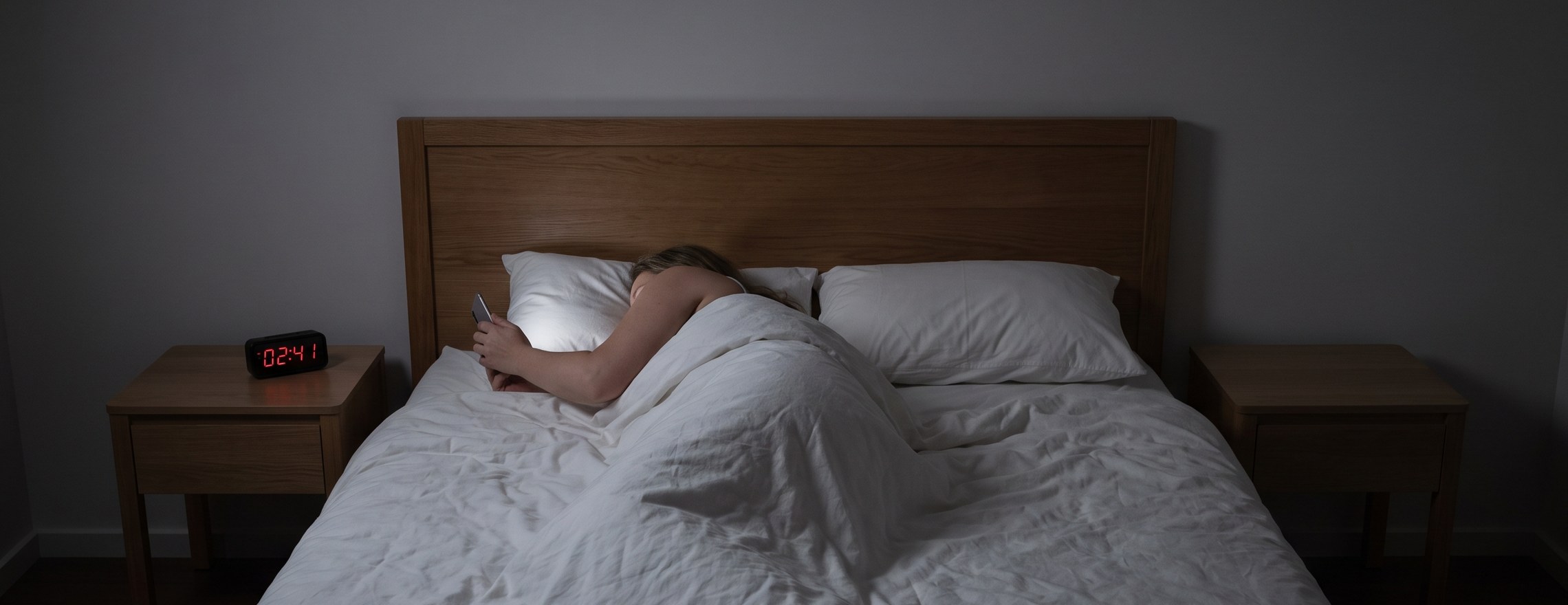
Sleep hygiene is the term given to define what healthy sleeping habits may look like. As previously mentioned, there is more to good sleeping than just the hours we spend asleep. ‘Good sleepers’ generally take no more than 30 minutes to fall asleep each night and will only wake once or twice throughout to either take a toilet or drink break.
Does this sound like you? If not, here are some starting sleep hygiene tips to get you there.
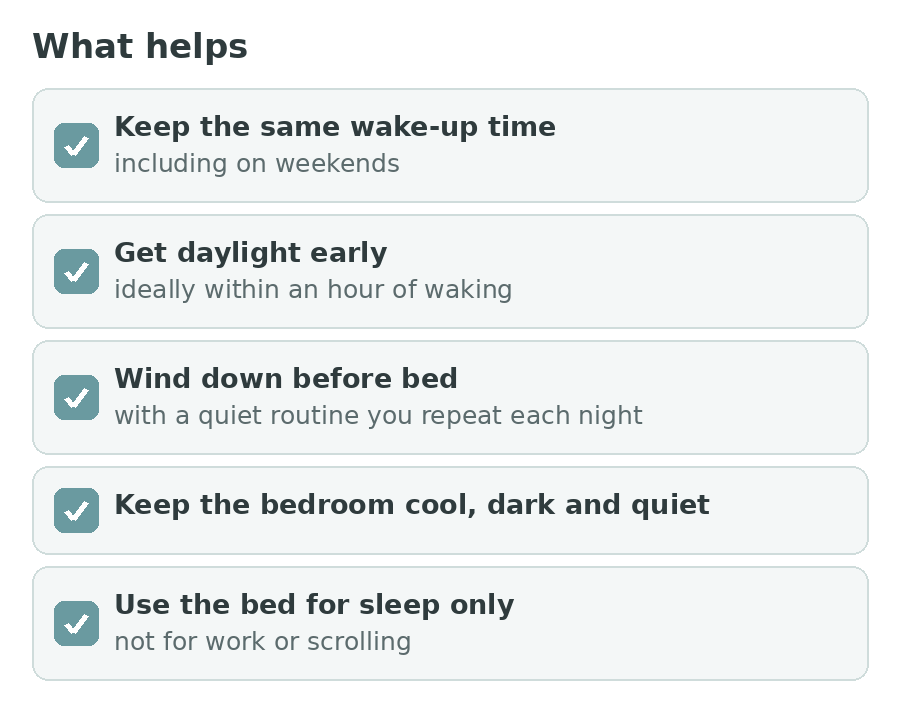
- Routine, routine, routine – try to implement a structured and consistent sleep and wake time every day
- Atmosphere – create a calming and peaceful environment that is sleep-inducing
- Now is not the time for stimulants – avoid caffeine, nicotine, strenuous exercise and technology close to bedtime
- Bed = sleep – allow the brain to associate your bed with only sleeping instead of other activities such as eating, reading or watching television
What if that’s not enough?
If you’re finding that you’ve tried to implement these basic sleep hygiene tips and it’s still a struggle – difficulty falling asleep, broken sleep, not feeling rested, continued fatigue and lethargy after excessive sleep – your sleep disturbance may be part of a bigger mental health issue, and you may wish to seek professional advice. Our team of psychologists are here to help. Call us on (03) 9802 4654 or book an appointment online.
References
Our Blog Author
This post was written by Simone Chaochalakorn, formerly a Psychologist at Your Mind Matters. Support with sleep difficulties, anxiety and low mood continues to be part of our services. Meet our team.