Men’s Health Week

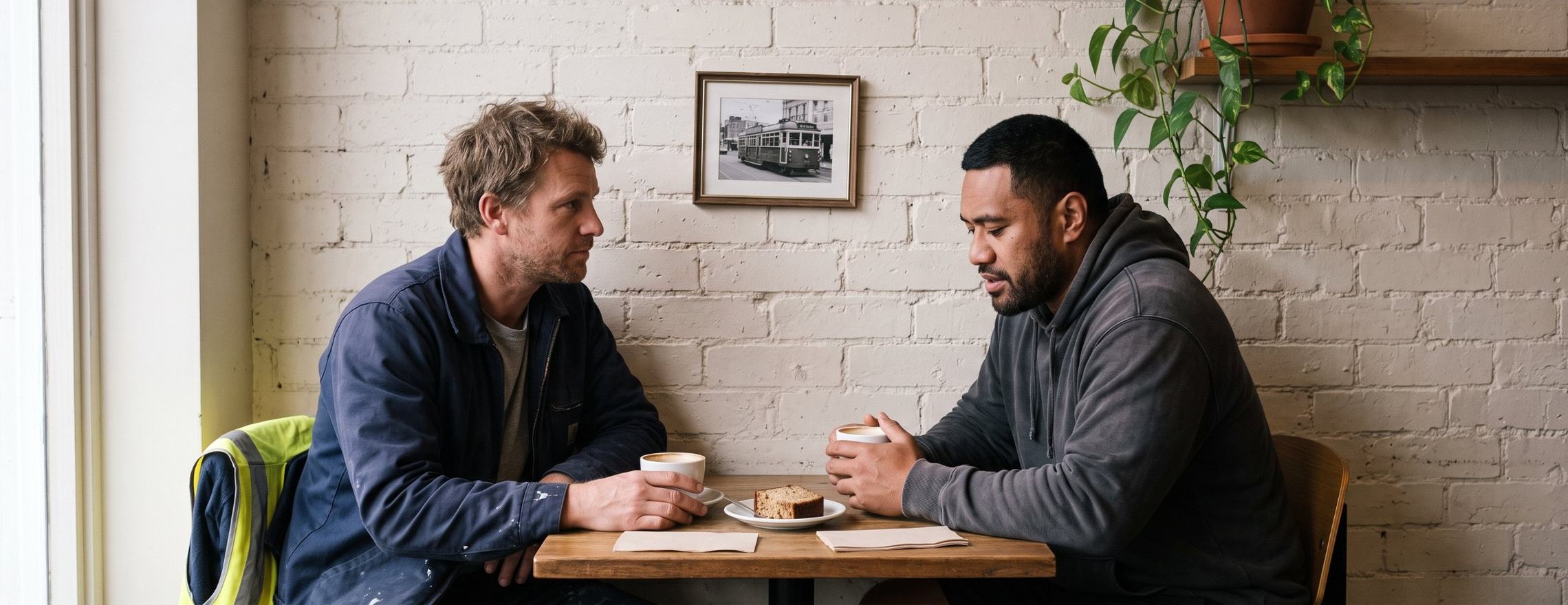
Men’s Health Week: why men are less likely to ask for help
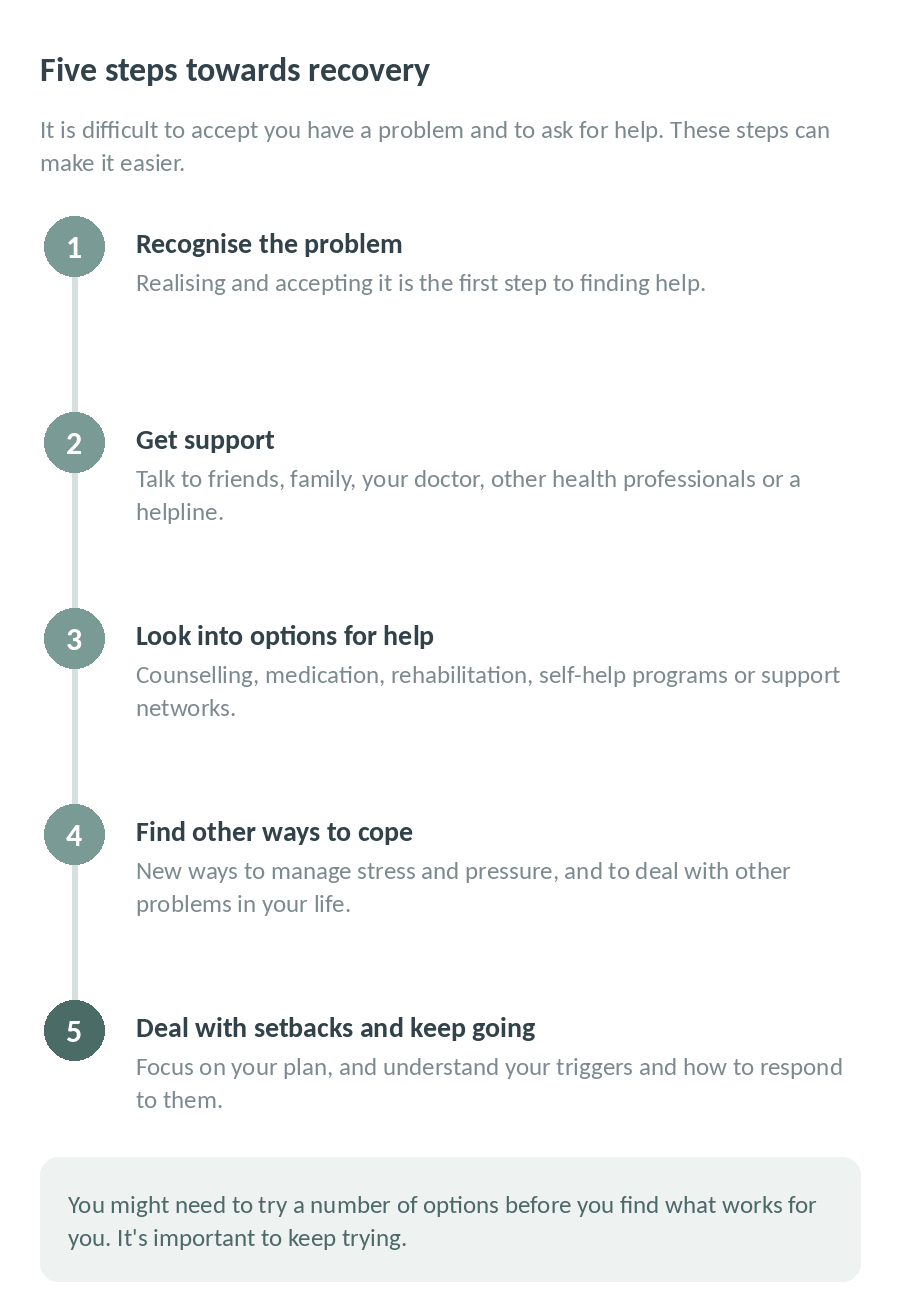
Although it’s very normal for my peers and me to see a psychologist for support, we psychologists are very much aware of the stigma around seeking this type of assistance, which is even more amplified for men.
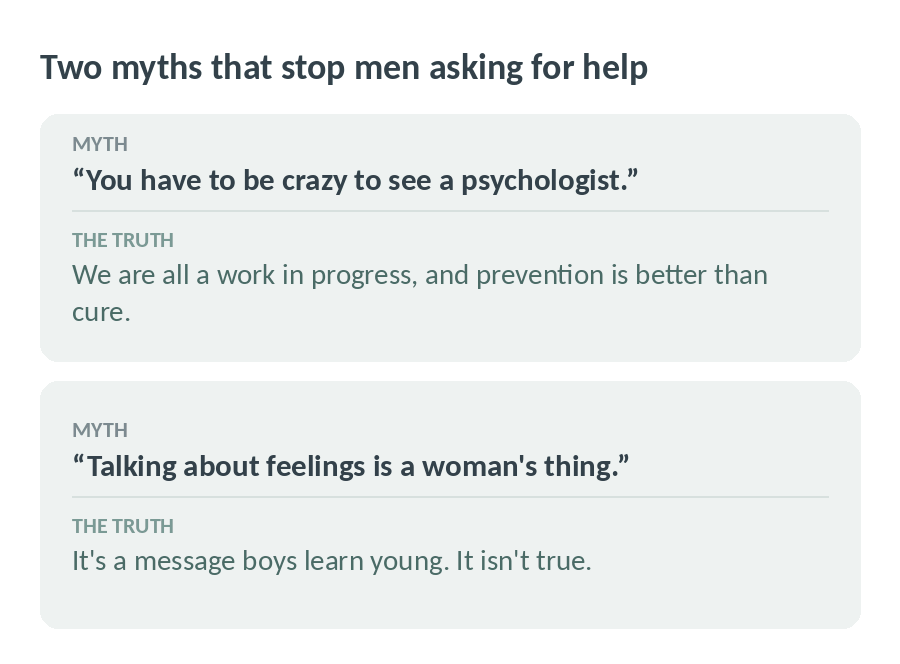
Why? One reason is because you must be “crazy” to see us. This is completely untrue. We are all a work in progress and we can always tweak things to make our lives better. Actually, we have many professionals (e.g. Doctors, Accountants, Lawyers) come to see us to ensure they continue working well in their very stressful jobs and don’t become distressed – they have decided that prevention is better than cure.
Another reason there is stigma around men seeing psychologists is because boys and men are typically socialised to not talk about their feelings, because it’s “girly” or more of a “woman’s thing”. Even from a very young age, how many boys are told “don’t cry like a girl” or if playing sport they may hear “you play/kick like a girl!”. The message in a nutshell: Don’t do anything girly!
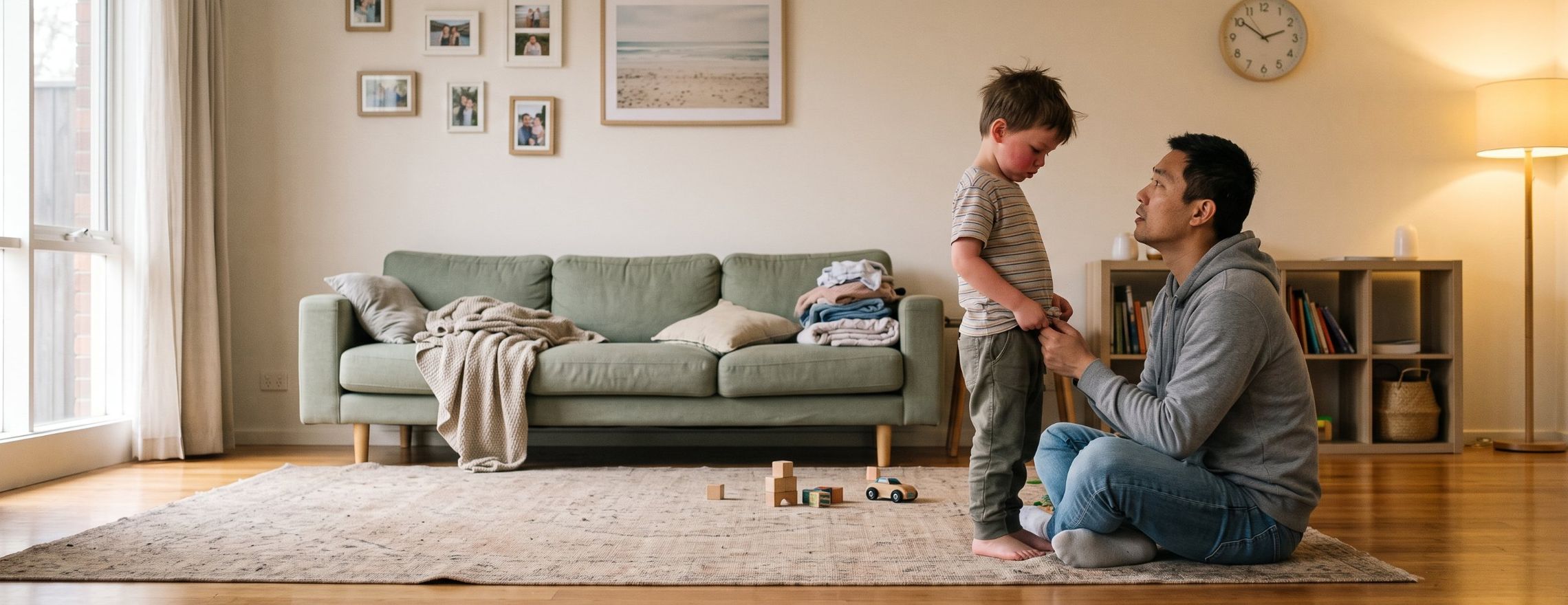
These are some reasons why women are more likely to get help than men. In fact, among Australians who experienced a mental disorder in the past year, only 39 per cent of men saw a health professional for their mental health, compared to 52 per cent of women (Harris et al., 2025). This is quite alarming to us, as more than three in four people who die by suicide in Australia are men, and suicide is the leading cause of death for Australians aged 15 to 44 (ABS, 2025). We also know that boys show greater susceptibility to family stress, especially in the development of conduct disorders, and they continue to be more susceptible to both physical and psychological problems throughout the lifespan (Wilson et al., 1992).
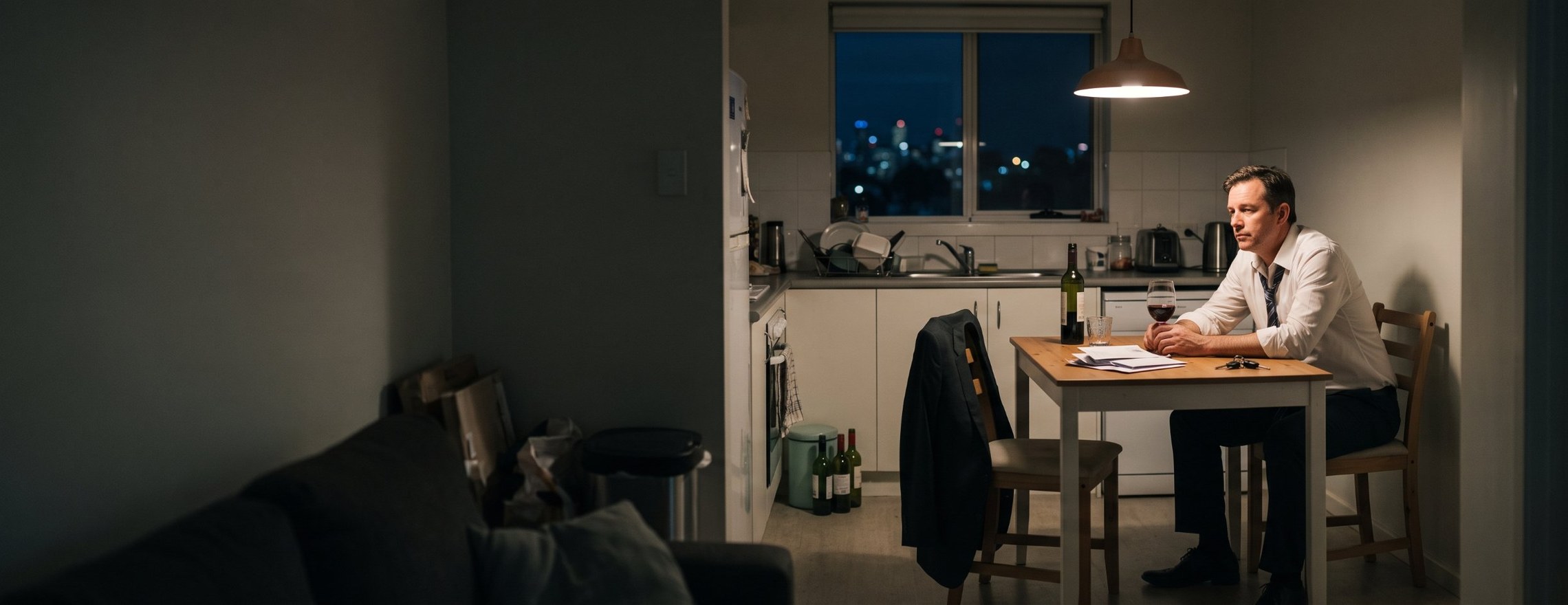
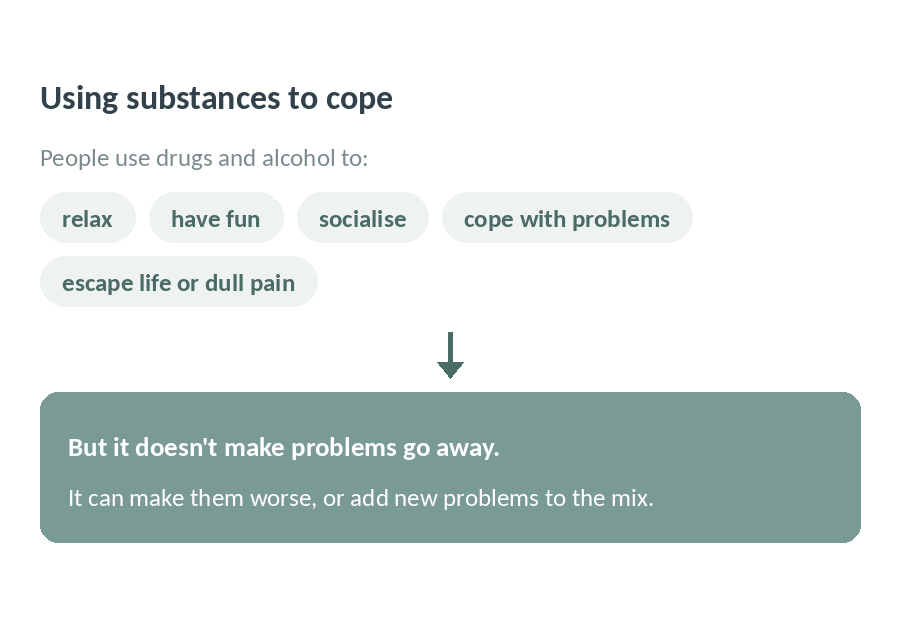
Unfortunately, many men who do not access support turn to drugs or alcohol, which tends to compound mental health problems and can cause many men’s lives to spiral out of control. Often by the time young men are asking for help, health professionals only see a drug or alcohol problem, not the underlying illness. Early intervention is key!
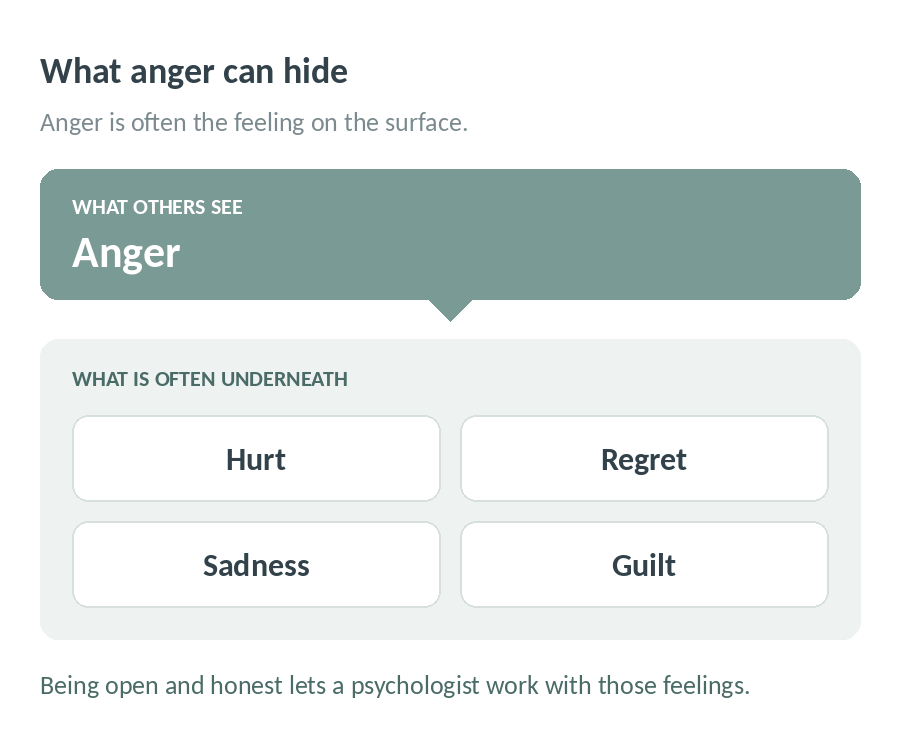
We also have many clients referred for anger management, but underneath that anger is usually hurt, regret, sadness or guilt. Recently, I’ve had some male clients who have come to therapy as part of a court order for anger management. They have expressed some uncertainty about the therapeutic process, and some have worried that they may offend or upset me because I am a female. My response to that is that:
- It is completely normal to feel uncertain, this is all new and we are working with you in a manner that often goes against societal norms;
- If you are angry, I know it is not personal, but it’s a reflection of your circumstances. If you are open and honest with me (and yes, intense feeling will come up), then I can work with those feelings. If you hold back, it’s much harder for me to help.
- I’ve heard cursing that would make a sailor blush! Trust me, it doesn’t offend me!
So, to all the boys and men out there, please do not let societal norms or stigma stop you from accessing the support you need. We went to university for many years so we’d have the privilege of helping you.
If you’re experiencing any intense feelings, or perhaps your family or partner keeps telling you to talk to someone, please call us on (03) 9802 4654.
Men’s Health Week is held each June. For a list of free Men’s Health Events in Victoria, head to Men’s Health Week Australia
For more information on the statistics related to men’s health: About Men’s Health Week
If you need support right now
If this is an emergency, call 000. For 24-hour support, call Lifeline on 13 11 14 or text 0477 13 11 14. MensLine Australia is available on 1300 78 99 78, the Suicide Call Back Service on 1300 659 467, and Kids Helpline on 1800 55 1800 for young people aged 5 to 25. More options are on our resources page.
References
Australian Bureau of Statistics. (2025). Intentional self-harm (suicide) deaths, 2024. ABS.
Harris, M. G., Tapp, C., Vescovi, J. J., Sunderland, M., Diminic, S., Chapman, C., Slade, T. N., Teesson, M., Pirkis, J., & Burgess, P. M. (2025). Consultation with health professionals for mental health in Australia in 2020–2022 and changes since 2007. Australian and New Zealand Journal of Psychiatry, 59(9), 810–823.
Wilson, G. T., O’Leary, K. D., & Nathan, P. (1992). Abnormal psychology. Englewood Cliffs, NJ: Prentice Hall.

Our Blog Author
This post was written by Laura Forlani, Director and Senior Clinical Psychologist at Your Mind Matters. Laura works with children, adolescents and adults on mood and anxiety disorders and difficulties arising from changes in personal circumstances, using cognitive behaviour therapy, skills training and relaxation strategies. Meet our team.