
Dealing with Catastrophic Thinking

Us humans are great at worrying and churning things over and over (AND OVER!) in our minds. It’s a terrible, unhelpful habit that we have developed. And I know sometimes you may think that worrying helps you prepare for the worst, but this is not true…what DOES help, is problem solving.

So, want to know what to do about over thinking? Mel Selig suggests telling yourself the following statements:

1 – “It’s not happening now.” Yes, it’s certainly possible that a catastrophe could occur, but it’s not happening now. This phrase may help you see that, at least at this moment, you are safe.
2 – “Whatever happens, I can cope.” This statement reminds you of your own inner resources and gives you the determination to meet the challenges of life. (The concept comes from the Cognitive Behavioral Therapy tradition.)
3 – “I am causing my own suffering. Could I stop?” The first part of this statement has its origins in Buddhism’s Four Noble Truths. The question, “Could I stop?” comes from motivational studies suggesting that asking yourself a question tends to be more motivating than simply saying, “I will stop,” or the judgmental, “Stop causing your own suffering!”—which only creates more suffering.

Asking, “Could I stop?” helps you see that you have a choice. Of course, if there truly is a catastrophe headed your way—divorce, a death in the family, or natural disaster—the best thing to ask yourself is, “How could I best prepare for this event?” Planning your action steps relieves your anxiety (problem solving).

If your catastrophic thoughts are impairing your ability to sleep, concentrate, work or socialise, you may need a little more support. Psychologists are extremely familiar with the ol’ “what if” thinking (yes, we also have these thoughts!) and can provide you with more assistance and support.  Give us a call and let us give you a helping hand. 


See original post here: https://www.psychologytoday.com/blog/changepower/201310/3-ways-stop-imagining-the-worst
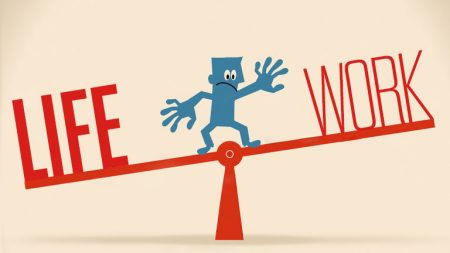
Work-life balance

In this day and age, it can often become difficult to maintain a healthy work -life balance. With the increasing demands of work, the boundaries between work and home can easily become blurred. An imbalance in work life and personal life can lead to increased stress levels. There can be several devastating consequences to poor work-life balance:

  • Fatigue: can greatly affect concentration levels and your ability to work productively. This in turn can lead to costly mistakes at work.
  • Poor health: stress can take its toll on the immune system and potentially worsen symptoms of medical conditions. Additionally, stress puts you at risk of alcohol and substance abuse.
  • Lost time with family and friends: blurred boundaries between work and home life can result in missing out on time with family and friends, and potentially damage interpersonal relationships.
  • Increased expectations: working too many hours can lead to increased expectations at work and you may be given more responsibilities which can result in additional challenges.


Setting time limits and self-care activities are essential in establishing a healthy work-life balance.

Track and manage your time: be mindful of your daily tasks including work and personal obligations. Ensure to set aside time in your day to engage in both work and personal activities, making sure to stick to allocated times. It is important to remember that activities that are meaningful to you are included in your day.

Compile a list of to-do activities: make a list of work-related and personal activities. Ensure to keep these lists separate, i.e. one list for work-related tasks and a separate list for personal tasks. Prioritise tasks in order of importance.

Use a calendar or planner: you may wish to use a calendar or planner to help you keep on top of upcoming events. This helps to keep you focused on the task at hand and you are prepared for what each day has in store.

Learn to say “no”: whether it is a colleague asking you to take on another project (not one of your own) or your child’s teacher asking you to be more involved in the school, remember it is okay to respectfully say “no”. We can often take on additional tasks out of guilt or a feeling of obligation. When we are not able to say “no” to others, we can soon put ourselves in a position where we take on too much and can become overwhelmed which can lead to reduced productivity.

Leave work at work: with such advances in technology, we now have the ability to access work from home which can quickly lead to blurred boundaries between work and personal life. Make a conscious effort to separate work time from personal time. Unless you are working on a deadline, avoid checking your emails once you leave the office or taking work home.


Caring for yourself (self-care)

Eat a healthy diet: include fresh fruit, vegetables and lean protein into your diet, to enhance your ability to retain information.

Get enough sleep: lack of sleep can lead to increased stress and poor concentration levels. Ensure you are getting enough sleep to help you function efficiently. The amount of sleep varies between each individual, but aim for a minimum of seven hours. It is important to establish a healthy sleep routine to prepare your mind and body for sleep. Avoid using electronic devices such as mobile phones and tablets just before bedtime. The light emitted by these devices decreases melatonin levels, the hormone associated with sleep.

Make time for enjoyable activities and relaxation: set aside time each day (at least 30 minutes) to engage in activities you enjoy such as reading, walking, and spending time with family and friends.


This blog was written by Maria Kampantais, Your Mind Matters Psychologist

To read the full article, visit http://www.mayoclinic.org/healthy-lifestyle/adult- health/in-depth/work-life- balance/art-20048134?pg=2