
How to get a better nights’ sleep

Why sleep feels harder than it should
We all have crummy sleep from time to time. When it happens night after night, the usual advice is to go to bed earlier — but that is often not the part that needs changing. What matters more is how consistent your nights are, and what happens in the hour before you get into bed.
Sleep runs in cycles, not in hours
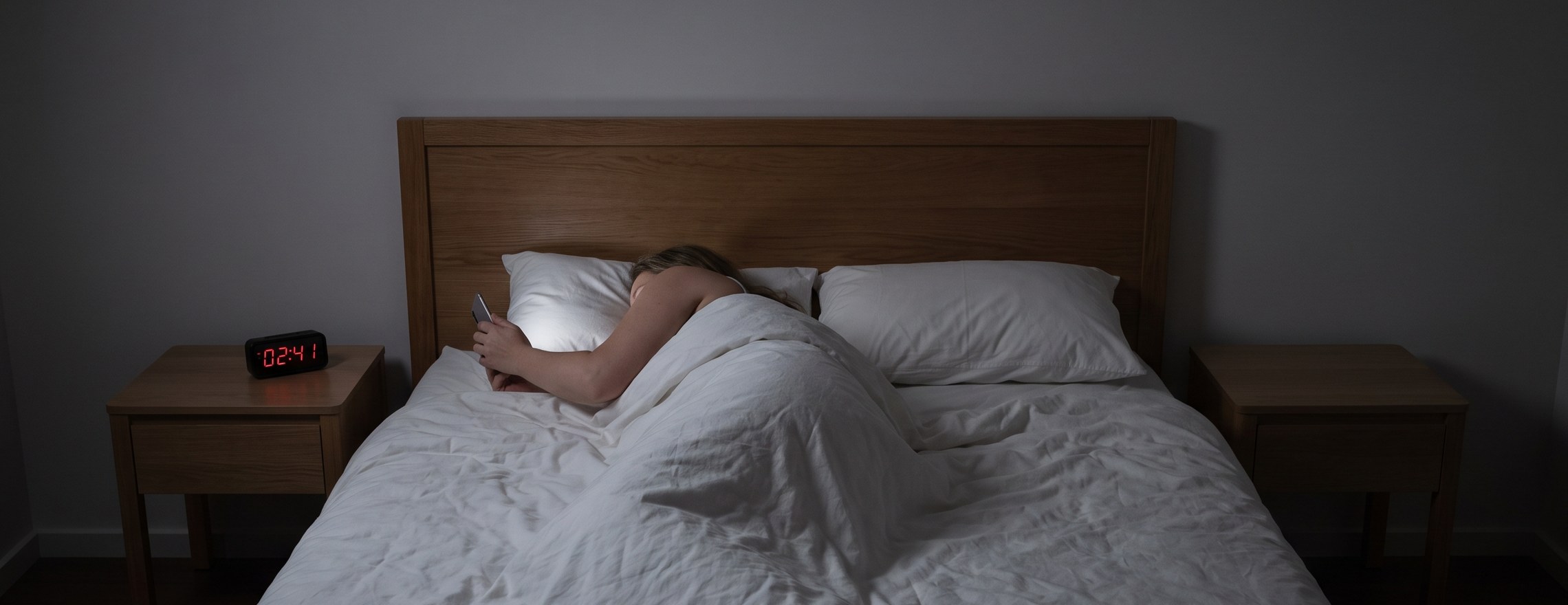
Sleep moves through repeating cycles of roughly 90 minutes, from light sleep into deep sleep and then into dream sleep. You surface briefly between cycles, which is normal and not a sign that something is wrong. Waking at 3am and checking the clock is not the problem; what keeps you awake is what happens next.
What helps
- Keep the same wake-up time, including on weekends
- Get daylight early, ideally within an hour of waking
- Wind down before bed, with a quiet routine you repeat each night
- Keep the bedroom cool, dark and quiet
- Use the bed for sleep only, not for work or scrolling
What gets in the way
- Screens in bed, which delay the signal that it is time to sleep
- Caffeine after mid-afternoon, which stays in the body for hours
- Alcohol before bed, which helps you fall asleep but breaks the cycles
- Lying awake in bed, if you are still awake after twenty minutes, get up, do something quiet, and return when you feel sleepy
- Watching the clock, which adds pressure to an already difficult night
When to seek support
If poor sleep has lasted more than a few weeks, or it is affecting your mood, concentration or daily functioning, it is worth talking it through with a professional. Our psychologists can help you work out what is maintaining the pattern and what to change first.

Written by the team at Your Mind Matters
Our blog is written by the registered psychologists at Your Mind Matters Psychology Services in Notting Hill, Melbourne. If something here speaks to your situation, our team is here to help. Meet our team.