
World Suicide Prevention Day

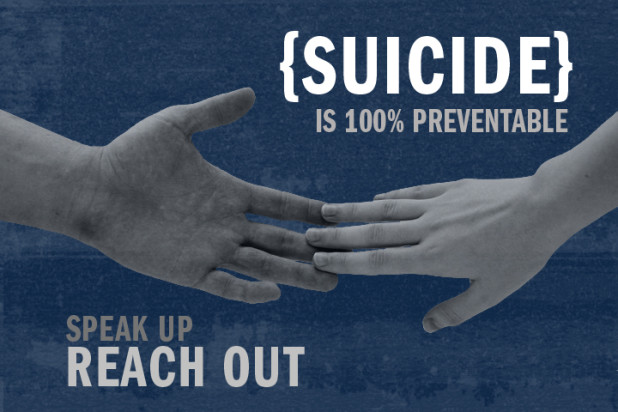
This post was written for World Suicide Prevention Day on 10 September 2016. The figures quoted below were the ones published at that time and have since been revised. For current Australian data, see the Australian Bureau of Statistics; for current global data, see the World Health Organization. The support services listed at the end of this post were checked in August 2026.
The World Health Organization estimates that over 800,000 people in the world die by suicide each year – that’s one person every 40 seconds.
Facts about suicide in Australia
- Suicide is the leading cause of death for men and women between the ages of 15–44
- The population death rates are around 10/100,000 people every year
- Annual number of deaths by suicide in Australia is around 2,500 each year
- 65,000 plan or attempt to take their life each year
- 400,000 people think about taking their life each year
- The Global Burden of Disease Report cited 36 million years of healthy life were lost as a result of suicide in 2010
The tragic ripple effect means that there are many, many more people who have been bereaved by suicide or have been close to someone who have tried to take his or her own life, as well as those struggling to manage suicidal ideation.
World Suicide Prevention Day is marked every year on 10 September. To find an event near you in Australia, visit Suicide Prevention Australia’s World Suicide Prevention Day page. To see what is planned across the globe, visit the IASP World Suicide Prevention Day events calendar.
If you need help
Getting through difficulties on your own can be difficult. Talk to friends, family, your doctor, other health professionals or a telephone helpline. The services below can provide support and point you in the right direction if you need further help.
- Emergency services 000 – if life is in danger.
- Lifeline 13 11 14, or text 0477 13 11 14 – crisis support and suicide prevention, 24 hours a day.
- Suicide Call Back Service 1300 659 467 – free professional counselling if you, or someone you know, is feeling suicidal. Available 24 hours a day for people aged 15 and over.
- Kids Helpline 1800 55 1800 – free counselling for children and young people aged 5 to 25, about anything that is going on in life.
- Beyond Blue 1300 22 4636 – support for anxiety, depression and related concerns, 24 hours a day.
More options are on our resources page, or you can call the clinic on (03) 9802 4654.
