What is workplace bullying?
Workplace bullying is defined as verbal, physical, social or psychological abuse by your employer, manager/supervisor, colleague, or group of people at your workplace. Workplace bullying can occur in any work setting and can happen to anyone whether you are a paid employee, volunteer, or placement student. In order for behaviour to be classed as ‘bullying’, it has to be repeated, i.e. it has occurred on more than one occasion.
Bullying in the workplace can involve:
- Repeated hurtful or derogatory comments which can include making fun of you and/or your work. This can happen privately, where there is no one else to witness the behaviour or in front of other staff.
- Excluding you from work-related activities.
- Playing mind games.
- Intimidation, which includes speaking to you in a way that makes you feel inferior.
- Placing unrealistic expectations on you such as giving you tasks which would be impossible to complete given the timeframe or resources.
- Withholding information from you which is necessary for you to complete your work.
- Sexual harassment including sexual comments or inappropriate touching.
- Physical abuse such as pushing, shoving or tripping.
- Inappropriate jokes or pranks which lead to you feeling ridiculed or embarrassed.
- Attacking or threatening you with weapons.
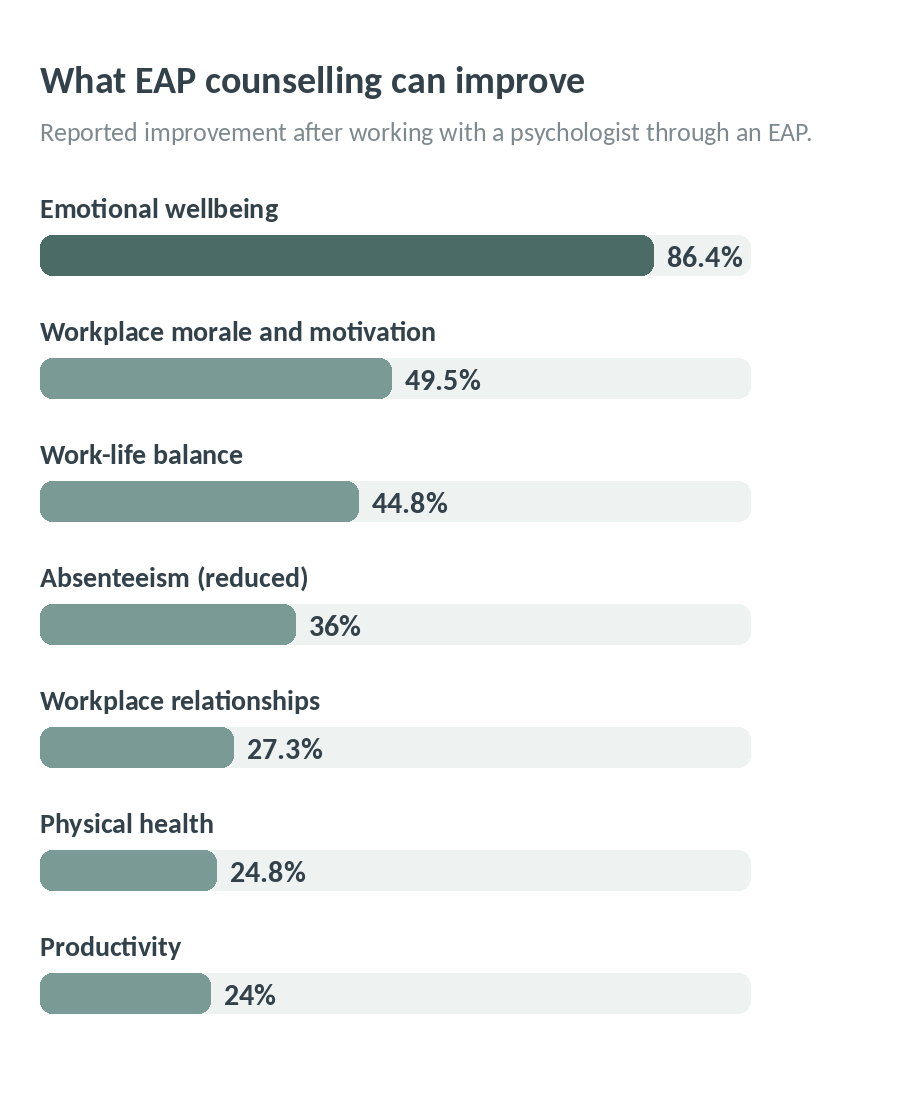
Workplace bullying can impact on an individual’s work. It can lead to reduced productivity, absenteeism, fear of losing your job, loss of confidence, feeling stressed and physical impacts such as insomnia. In addition, bullying can impact on an individual’s personal life including relationships, social interaction, and lead to mental health difficulties such as depression and anxiety.
It must be mentioned, that some situations within a workplace may seem unfair but are not bullying. It is acceptable for your employer to transfer, demote, performance manage, or let you go, provided they are acting reasonably and there is a legitimate reason for their decision.