📅 Book an Appointment

Mind Full or Mindful?


[siteorigin_widget class=”SiteOrigin_Widget_Headline_Widget”][/siteorigin_widget]

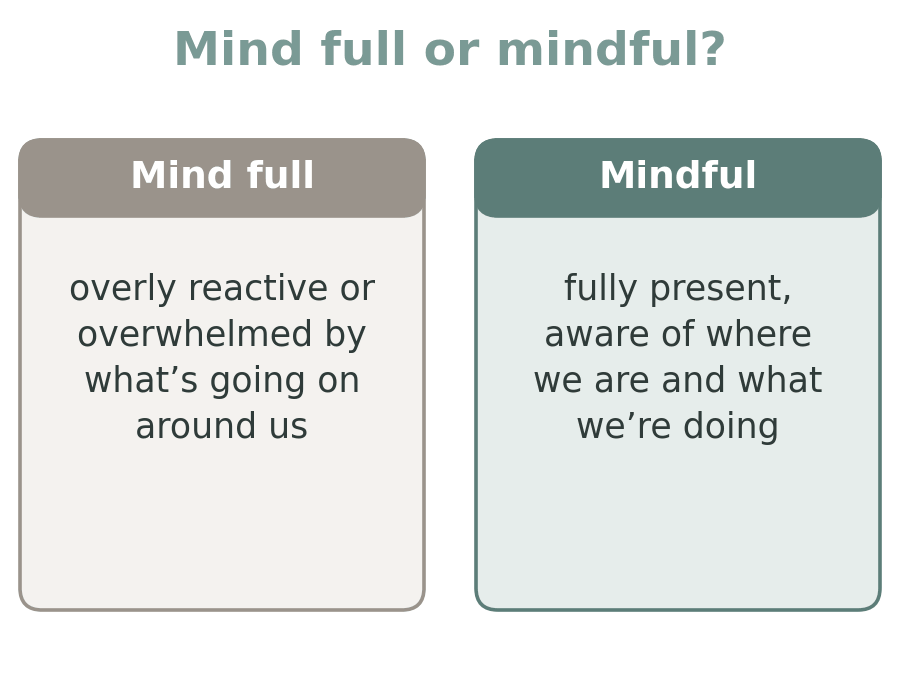
No doubt you, as a therapist or client will at some point in the process be introduced to the principles of Mindfulness. Mindfulness is the basic human ability to be fully present, aware of where we are and what we’re doing, and not overly reactive or overwhelmed by what’s going on around us. It is an integral part of some forms of therapy such as Mindfulness based Cognitive Behavioural therapy and Dialectical Behaviour therapy. Mindfulness can provide strategies to manage challenging thoughts and emotions through a focus on the here and now.

Mindfulness can act as a grounding approach to settle ourselves when we’re feeling overwhelmed. If you find yourself stuck with a strong emotion, this approach can help you to feel anchored in the present and restore balance in your body and mind. Grounding skills are helpful to build sensory and cognitive awareness which can also help in therapy as you begin to recognise patterns and trends that either help or hinder you in your goals.
Connecting to nature can be a key part of developing mindful and grounding activities. Nature has the power to reconnect us to ourselves, our present, and our memories, through our senses. Indeed, as Lao Tzu, the Chinese Philosopher from 500 BCE said, ‘Nature does not hurry, yet everything is accomplished’.  There is stillness and motion, acceptance and change, all happening under our feet and above our heads.

There are many ways of connecting to nature, but here are a few ideas to get you started.

Forest Bathing

We know from our own experiences that when we are surrounded by trees and their canopies, we can feel calmed, and the scents of the earth and leaves and bark can stimulate our senses in a way that encourages relaxation and reconnection with ourselves and nature.

The Japanese practice of Shinrin-Yoku, translated as ‘forest bathing’, recognises the healing power of forests which provide sensory stimulus to decompresses our nervous system, allowing us to reset and recharge. Originating in the 1980s in Japan it has become a key preventative element of Japanese medicine, with 44 accredited Shinrin-Yoku forests across the country.  Internationally this practice is also called ‘Forest Therapy’.

You don’t need to live close to a forest to benefit from forest bathing.  A local park with trees will also provide opportunities for wellbeing. As forest bathing is gaining in popularity in Australia there are many choices of accessing in-person or online forest bathing sessions. The Royal Botanic Gardens in Melbourne offers two- or three-hour sessions involving time spent in key gardens and with certain trees, concluding with a shared tea ceremony.  for more details: rbg.vic.gov.au

Other ways to connect with Forest Therapy is through individual trained practitioners such as forestwalks.com.au and threelittlebirdsnaturetherapy.com.au where in person and online events occur. You can learn more about this developing health sector here: https://infta.net

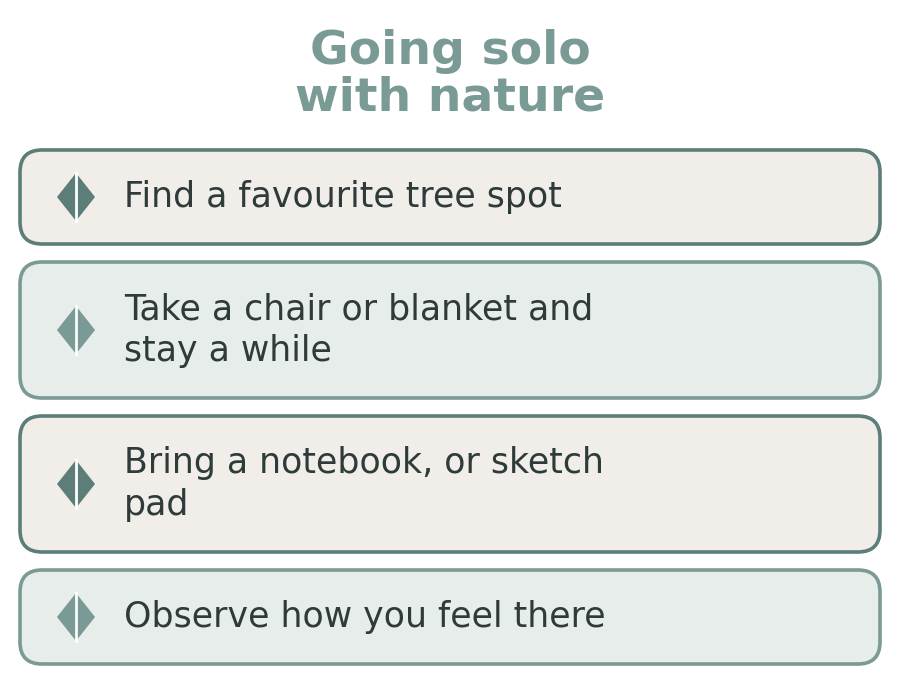
If you prefer to go solo with nature, here are some suggestions:

  • Find a favourite tree spot from your favourite nature place
  • Take a chair or blanket and stay a while.
  • Bring a notebook, or sketch pad.
  • Observe how you feel there. Be with yourself and the natural world.

Water

Similarly, the atmosphere of forests, bodies of water can evoke a sense of calm and tranquillity in us.  Watching water or being close to this ‘blue space’ can be meditative.  It allows us to connect to the vastness of the ocean landscape, or the intimacy of a flowing river with all of its living lifeforms, bringing us greater calm and connection. Marine Biologist, Wallace J. Nichols, writes about in his book, Blue Mind.  Connection to water comes in many different forms from the beach and ocean, or the local creek or river, to a swimming pool or floatation tank.  If we are water observers, we can benefit for the connection to it with a walk alongside our chosen blue space. If we prefer to be emersed and receive benefit that way, regular swims at our local pool or beach, spas at a bathhouse (senseofself.com) or natural springs (peninsulahotsprings.com) can support our wellbeing.   A more immersive water experience can be found in a floatation tank.  Floatation tanks are pods filled with warm salt water and hour-long sessions emersed in them alone can include music and different lightening effects, or quiet darkness.  There are many centres around the city, and across the country offering this service and you can learn more here: floattherapy.org.au


Whichever nature path you choose to take, connecting to the earth can support our mental health in many ways.

 

[siteorigin_widget class=”SiteOrigin_Widget_Headline_Widget”][/siteorigin_widget]
[siteorigin_widget class=”WP_Widget_Media_Image”][/siteorigin_widget]

This blog was written by Ian Clark – Psychologist YMM, and his partner in crime, Rachel Clark

Ian enjoys working with adolescents and adults presenting with a range of difficulties, including mood disorders, anxiety, stress related to school or work, and has years of experience supporting victims of domestic violence. Ian believes it is essential to the therapeutic process to provide a welcoming, safe, and non-judgemental environment in which to carefully explore ways to help people to make positive changes in their lives. He works with clients dealing with a variety of issues and is committed to providing individualised support to each client. To learn more about Ian, check out the “Our Team” page on our website! https://yourmindmatters.net.au/our-team/


Rachel is a passionate educator and community organiser who works to enhance people’s engagement with their own communities. She has 25 years of experience in the fields of teaching, cultural diversity, disability, and social justice organisational and volunteer management to support students, teachers, social and youth workers, volunteers, and organisations to develop critical, ethical and creative thinking capabilities that lead to action.

[siteorigin_widget class=”WP_Widget_Media_Image”][/siteorigin_widget]

Are you really practicing gratitude?

But I should be grateful….right?

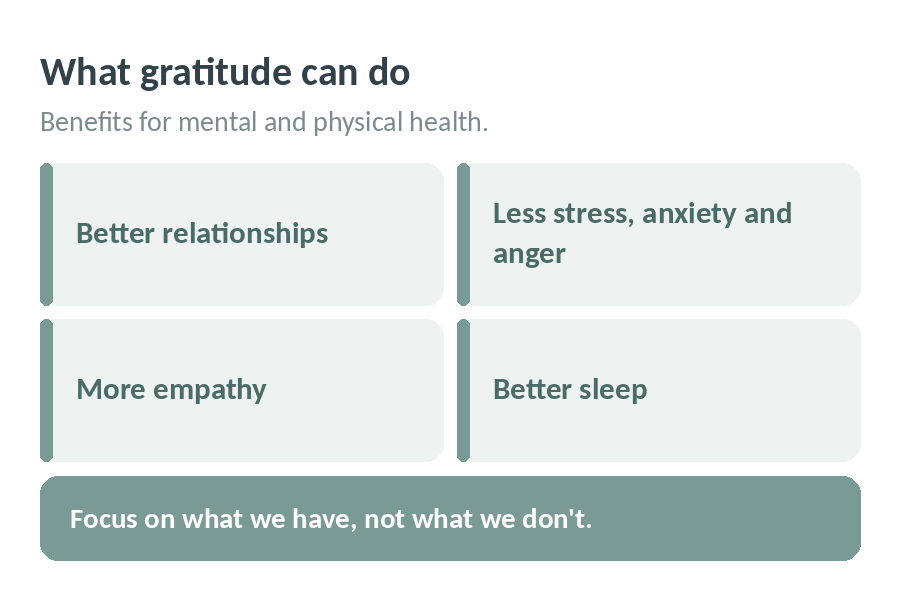
Recent times have called for the re-evaluation and adjustment of self-care practices and an emphasis on perspective and acceptance-based skills. One perspective skill that has garnered increasing interest is gratitude. Gratitude is known for its positive impacts on mental and physical health, such as improved relationship satisfaction, reductions in stress, anxiety, and anger, enhancing empathy, and aiding sleep. How? One reason is that feeling grateful floods us with oxytocin, which in turn creates more oxytocin receptors; an upward spiral that makes us happier (to learn more, Google “Gratitude and Oxytocin, you’ll see a heap of studies!)

A search of the web resulted in many differing definitions of gratitude, however, there was a consensus across definitions, being that of the ability to conjure feelings of thankfulness and appreciation for others, the world, and ourselves. It is suggested that this can be aided by focusing on what we have, rather than focusing on what we don’t.

“I am thankful for all that I have and all that I am”

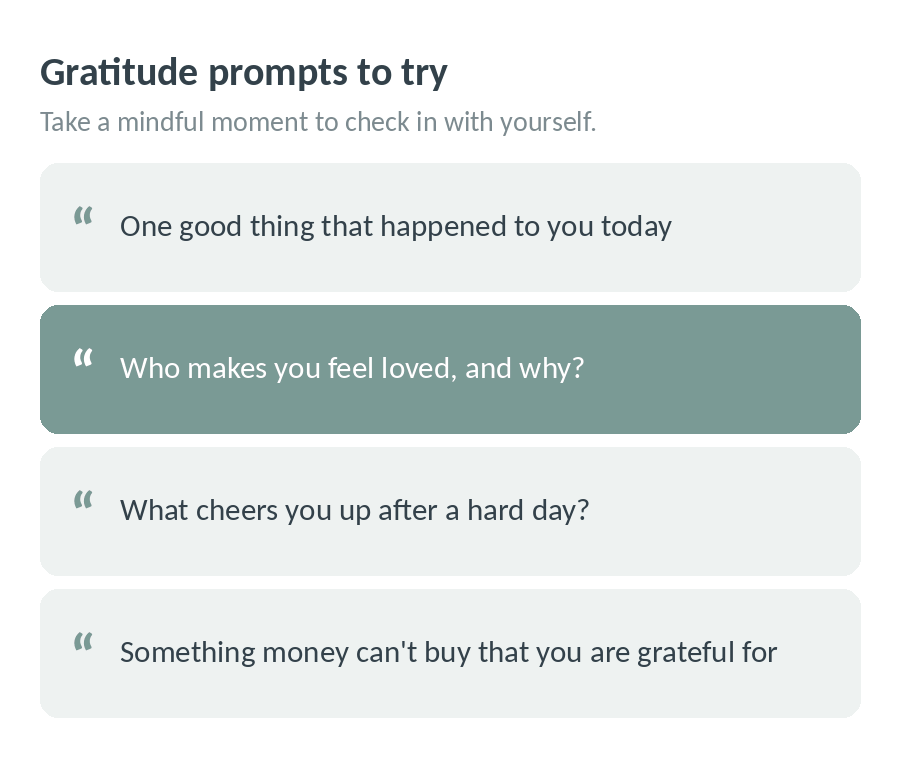
If you are a fan of journaling, you are probably not a stranger to a gratitude prompt, for example:

Write down one good thing that has happened to you today.
Who makes you feel loved and why?
What cheers you up when you’ve had a hard day?
What is something that money can’t buy that you are grateful for?

Prompts such as these allow us to check in with ourselves and take a mindful moment to consider what small, or big things, we have to embrace in life.

But when does gratitude get misunderstood? The world has gone through its fair share at the moment, as has all its beings. Statements that I am hearing more and more frequently recently include: “but I should be grateful for…” and “other people have it worse”. These statements promote self-invalidation, as to suggest that their understandable mental health struggles are unjustified. Therein lies the misunderstanding of gratitude, that it involves being appreciative of the things that haven’t gone wrong, all the while dismissing the painful thoughts and feelings we are experiencing. It is understood that these statements present as an ability to manage difficult feelings, however, often attempts to minimize thoughts and feelings only serves to amplify them. As psychologist and emotional agility researcher Dr. Susan David suggests, give yourself permission to feel all of your emotions, not only the “positive” ones.

We all deserve to tread lightly with ourselves, particularly in the face of lockdown restrictions. This might call for the incorporation of self-compassion in our gratitude practices!

If you are interested in setting up a gratitude practice, check out https://gratefulness.org/practice/private-gratitude-journal/ for tips on keeping a gratitude journal.

So, are you practicing gratitude or invalidation?

References

https://positivepsychology.com/gratitude-appreciation/

https://www.psychologytoday.com/us/blog/making-change/201605/when-gratitude-works-and-when-it-doesnt

This blog was written by Blair Raatjes, psychologist at Your Mind Matters Psychology Services. She works with us 2 days per week.

Blair understands that seeking psychological help for the first time can be a nerve wracking experience for clients, therefore, she is committed to providing a warm, accepting and compassionate environment. She believes that collaboration, empathetic understanding, and respect are essential components to therapy and is interested in evidence-based approaches that emphasise the importance of catering to each client’s needs and strengths. Blair has experience using key therapeutic techniques, including Cognitive Behaviour Therapy and Motivational Interviewing and has a keen interest in Mindfulness based techniques such as Acceptance and Commitment Therapy.

What is the best way to parent your child(ren)?

As parents, it’s our desire to want to give our kids the best. We expect a lot from ourselves to be the best parent for them and hope that we are able to raise them healthy and well. 

The way we parent our children is very much affected by how we were raised as a child. If we were ‘punished’ for experiencing and showing strong and intense emotions such as anger and frustration, we are more likely to react in the same way when our children express these emotions.  However, that does not mean we can’t change or do things differently. 

It is my opinion that there is no ‘one size fits’ all parenting style that will suit and work for every family. Nonetheless, there are some general rules of thumb that we can keep in mind to help us navigate our way through this journey called parenting. 

1) Address the emotion first

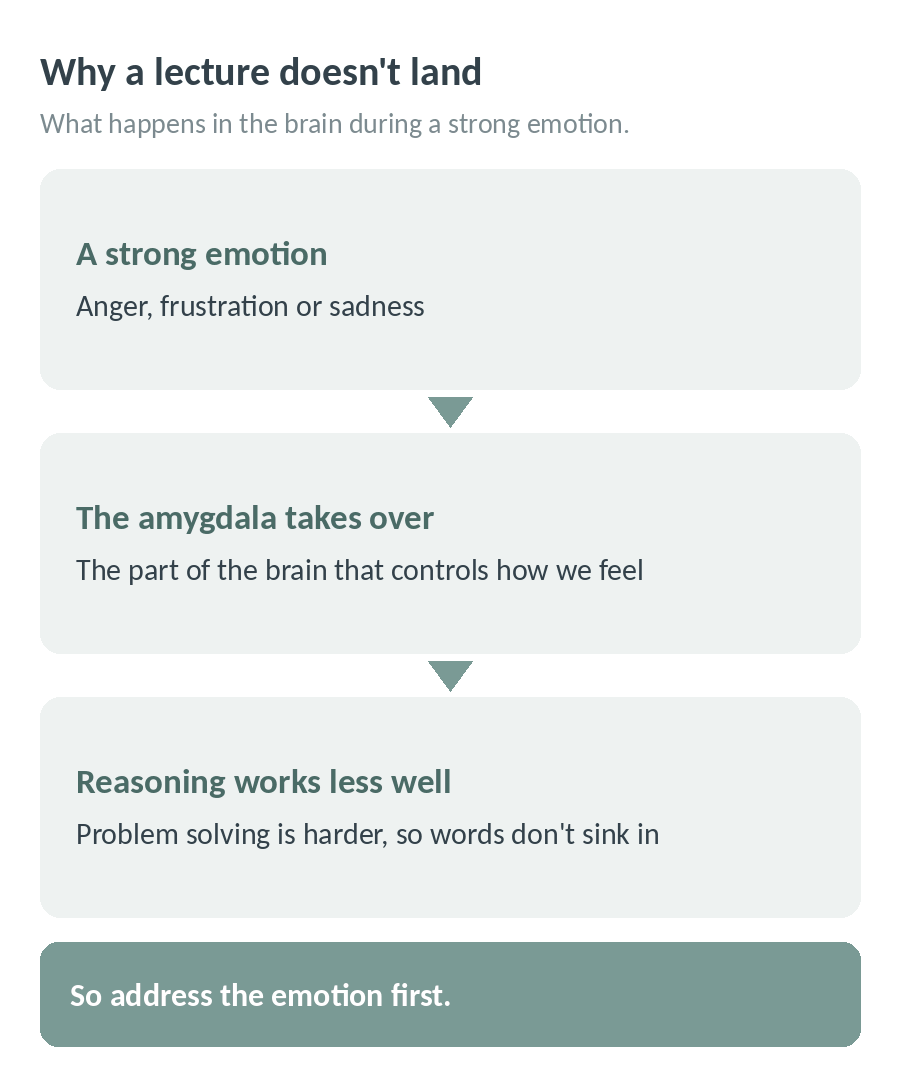
  • Have you ever experienced being ‘lectured’ while you’re about to explode or are experiencing a strong emotion such as anger or sadness? How did you feel? If I had to guess, you probably weren’t listening to much of what was being said. In fact, the ‘lecture’ may have intensified how you were feeling. That’s because the amygdala (the part of the brain that controls how we feel) takes over, and the part of the brain that helps us to be rational and problem solve does not function as effectively. 
  • To be able to have a conducive conversation with another individual, we need to first ensure that the amygdala is not in control. The way to do this is to first address the emotion being expressed. Acknowledge how your child is feelings and try understanding where this emotion is coming from. When children feel heard and understood, the amygdala calms down and they are then able to use their rational and problem-solving part of brain to have those meaningful conversations we all wish to have with others (including our partners!). 
  1. Positive reinforcements have longer lasting effects on our children’s learning.
  • Praising, complementing, and rewarding them for good and appropriate behaviours can increase the likelihood of them continuing to exhibit these behaviours. 
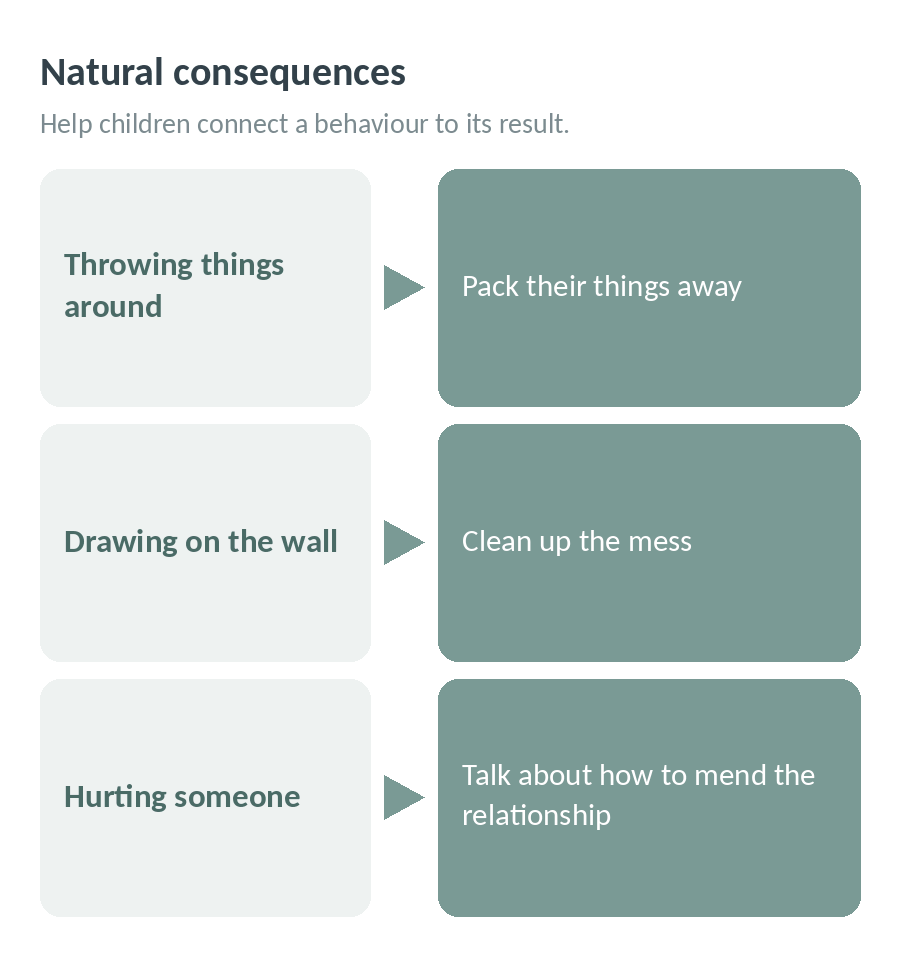
  • I believe that there is a role of consequences. However, these consequences are the natural consequences one will need to bear for the decisions we make. Assist your child to connect specific consequences to specific behaviour. For example, if a child enjoys throwing things around the house, or drawing on the wall, a natural consequence of that would be to pack their things away or clean up the mess they made. If a child hits and hurts another person, conversations around how they can mend that relationship will help them develop an understanding that their actions can have a negative impact on others. 
  1. Actions speak louder than words. 
  • In addition to talking to our children about what is right from wrong, and what is appropriate or inappropriate, they are more likely to act as we do. In other words, we need to ‘walk the talk’ and lead by example. Let’s model the behaviours and values we want our children to learn. 

4) Consistency is key

  • Children love their parents to be consistent as this helps them predict how parents will act. 
  • Consistency means as parents we follow through and do as we say we will.


The following are some resources that you may find beneficial:

  1. https://raisingchildren.net.au/toddlers/behaviour/understanding-behaviour/self-regulation
  2. The Whole-Brain Child- 12 revolutionary strategies to nurture your child’s developing mind, survive everyday parenting struggles, and help your family thrive. By: Daniel J. Siegel, Tina Payne Bryson
  3. No-Drama Discipline: The Whole-Brain Way to Calm the Chaos and Nurture Your Child’s Developing Mind. Book by Daniel J. Siegel and Tina Payne Bryson. 


Shannon

This blog was written by Dr Aiyuen (Shannon) Choong, Psychologist at Your Mind Matters. Aiyuen is fluent in English and Mandarin, and is passionate about working with children from preschool years through to adolescence. 

To learn more about Aiyuen, click here

Importance of Self-Compassion

At some point in our lives, we all have heard the phrase that ‘charity begins at home’! Most of us accept it and even preach it to others when the opportunity for sharing wisdom arises (yeah, we are good at that!). The essence of the above phrase is seated in the value of compassion or kindness towards others. Compassion is empathy, kindness and understanding for others during suffering or challenging times.

So, I have a question for you – have you ever heard that ‘compassion starts with self?’ Probably, not, aside from that fact that I made the phrase up. Chances are that self-compassion is an alien concept and only comes into our lives through social media memes. So let me give you a brief snap shot and advocate the case for ‘self-compassion’ as an essential in our lives.

A simple google search will define ‘self-compassion’ along the lines of empathy, understanding and kindness towards one’s own self, when big or small life challenges happen. Kristen Neff, the world’s leading researcher on self-compassion, has identified three main components to it:

1. Self-kindness vs Self-judgement: treating ourselves with kindness and understanding when we fail, suffer or feel inadequate as opposed to ignoring our needs or belittling ourselves

2. Common-humanity vs Isolation: remembering that everyone fails and suffers at times and that we are not the only ones.

3. Mindfulness vs Over-identification: taking a balanced approach to our challenges and emotions, without over-identifying with heavy emotions or situations.

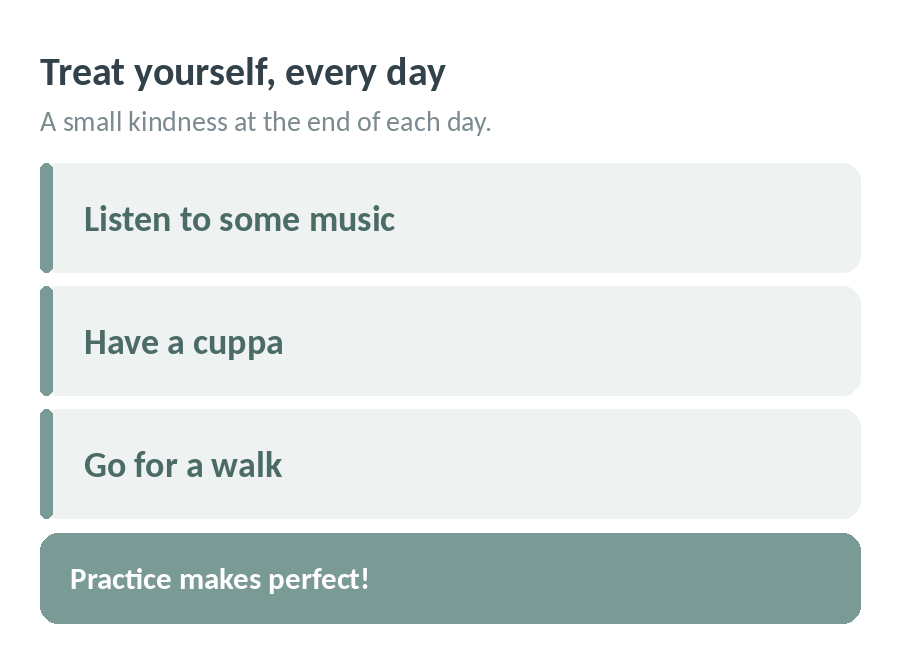
Kristen’s research has contributed significantly to understanding the importance of practicing self-compassion in daily life and more so when experiencing mental health challenges. Self-compassion also forms a crucial part of my own therapy model and aims at supporting and empowering clients, by helping them connect and understand their own emotions and situations. A simple activity that I encourage client’s to do is to treat themselves at the end of the day, each day. This can be as simple as listening to some music, having a cuppa or going for a walk. Practice makes one perfect!

So, I invite you to explore self-compassion for yourself and incorporate it in small ways within your daily life. Self-compassion will be the strongest script that you can have for yourself. If you would like to work on further developing your skills, our psychologists at Your Mind Matters will be happy to assist you.

Source: self-compassion.org

This blog was written by Prabha Mishr, psychologist at Your Mind Matters Psychology Services. She works with us 2 days per week (day sessions).

Prabha is passionate about building strong rapport with clients and establishing a collaborative relationship. As a practitioner, her belief is that ‘no one size fits all’ and so uses a combination of psychoeducation and research-based interventions such as Cognitive Behavioural Therapy (CBT), Acceptance and Commitment Therapy (ACT) and play-based therapy to help support clients to reach their goals.

Dealing with marital separation and divorce

The ‘D’ word…. It sure isn’t something that you would fathom when you decide to marry. Yet it happens so frequently. Many believe that marriage is forever and for some, it is quite stigmatising to end a committed relationship. It can be scary. 

What will people think? 

How will I rebuild? 

Not only do you have to deal with the emotional pain, grief and anxiety, but then comes the challenges of financial separation, dealing with lawyers and when children are involved, family orders. All too quickly things can turn nasty, and the person who you thought you knew so well, soon seems like a stranger. And you may ask yourself, “how did I not see this?”. Unfortunately, divorce can bring out the worst in people. 

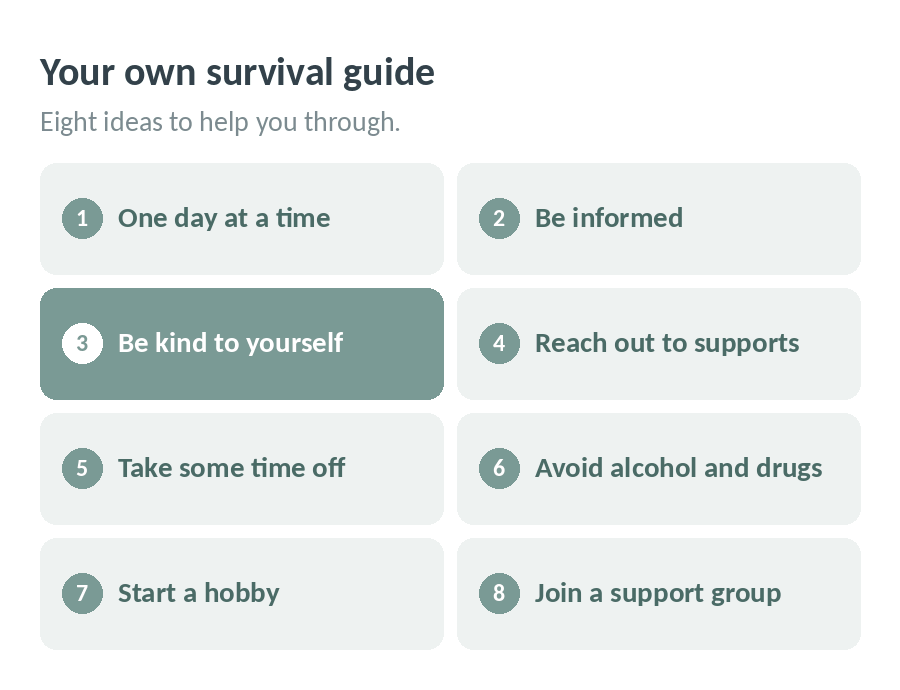
Many may ask “what is the best way to deal with separation and divorce?” but there isn’t just ‘one’ answer or ‘one’ way to cope. Everyone is an individual, so people will find different ways to deal with the emotional turmoil that separation brings. Here are some tips that may help you to establish your own ‘survival guide’:

  • Take one day at a time. It’s difficult not to think ahead to the days, weeks, and months to come. Remain focused on one day at a time and ways to get through each day. It helps to plan out each day and schedule at least one activity to focus on. This may include exercise, engaging in an activity or hobby that you enjoy and any form of self-care. 
  • Be informed. Speak to a family lawyer about the process involved in separation. It may help to bring a support person along as this process can be very overwhelming. If you have any friends who have been through a divorce, see if they have a lawyer they would recommend.  
  • Be kind to yourself. You will have a lot to deal with in the initial stages, and this can include sorting your belongings, moving, selling your home and if you have children, deciding whom the children will live with initially whilst custody and visitation arrangements are being organised. I can’t stress enough just how vital it is to be kind to yourself during this difficult time. You are going through a lot and offering yourself some compassion during this process can be so beneficial. Kristin Neff has some great resources available on her website, which you may find helpful: https://self-compassion.org/category/exercises/ 
  • Reach out to your supports. It helps to share with your support network how you are feeling and where you are at. If you find you are feeling too overwhelmed and don’t want to talk about the situation, be sure to communicate this to your support system. Often people will isolate themselves because they don’t want to talk – tell your friends and family what you need. Isolating yourself at this point can cause a lot more anxiety and grief.
  • Take some time off from work. Speak to your boss about what has happened and whether it is possible to take some time off. Often a couple of days to a week can help just to get your mind around what is happening. Some people find that they just want to immerse themselves in work. Whilst work can be a good distraction for some, it doesn’t work for everyone, and you may not be performing at your optimal level. Confiding in a trusted colleague can help, so that you have support within your workplace.  
  • Avoid alcohol and drugs. It is totally understandable that you want to numb out the pain, escape, and have an emotional break from what is happening. However, alcohol and drugs aren’t the answer. It can be really easy to fall into a trap and develop a dependency, which can lead to other challenges down the track. Instead, it helps to focus on maintaining a healthy diet, drinking plenty of water, engaging in exercise and regular self-care.  
  • Start a hobby. It’s useful to start a new hobby or reconnect with hobbies that you enjoyed in the past. All too often, one can feel like they lose a part of themselves through the process of separation and being able to find a way to focus on your interests can help.
  • Reach out to counselling support lines. If you are feeling very low and are experiencing suicidal ideation, or just need to speak to someone that isn’t a family member or friend, there are counselling support lines that you can reach out to. This includes Lifeline Ph: 13 11 14, Beyond Blue Ph: 1300 224 636, and Suicide Call back Service Ph: 1300 659 467. Relationships Australia Ph: 1300 364 277 can also help to link you in with various support services.

Some days may seem dark, but I feel the saying “it’s always darkest before dawn” is so appropriate here. There will always be a light. Reconnect with yourself, your values and what truly matters. And above all, never lose hope. 

mariaThis blog was written by Maria Kampantais, psychologist at Your Mind Matters Psychology Services. She works with us 4 days per week (day and evening sessions) and is passionate about working with clients suffering from various anxiety disorders.

Maintaining Motivation

Not motivated to exercise as the COVID-19 pandemic drags on? You’re not alone! 

Most of us are having trouble sticking with healthy habits right now. There’s less structure in our lives and social events are cancelled or move online, as a result many of us are facing additional stress and anxiety due to social isolation, financial worries, or family/personal health concerns. All of this makes it hard to maintain motivation. Just like every other challenging time in history, this time shall also pass. 

Below is a list of tips to help you achieve your personal best and stay motivated, and how to cope and thrive during these challenging times: 

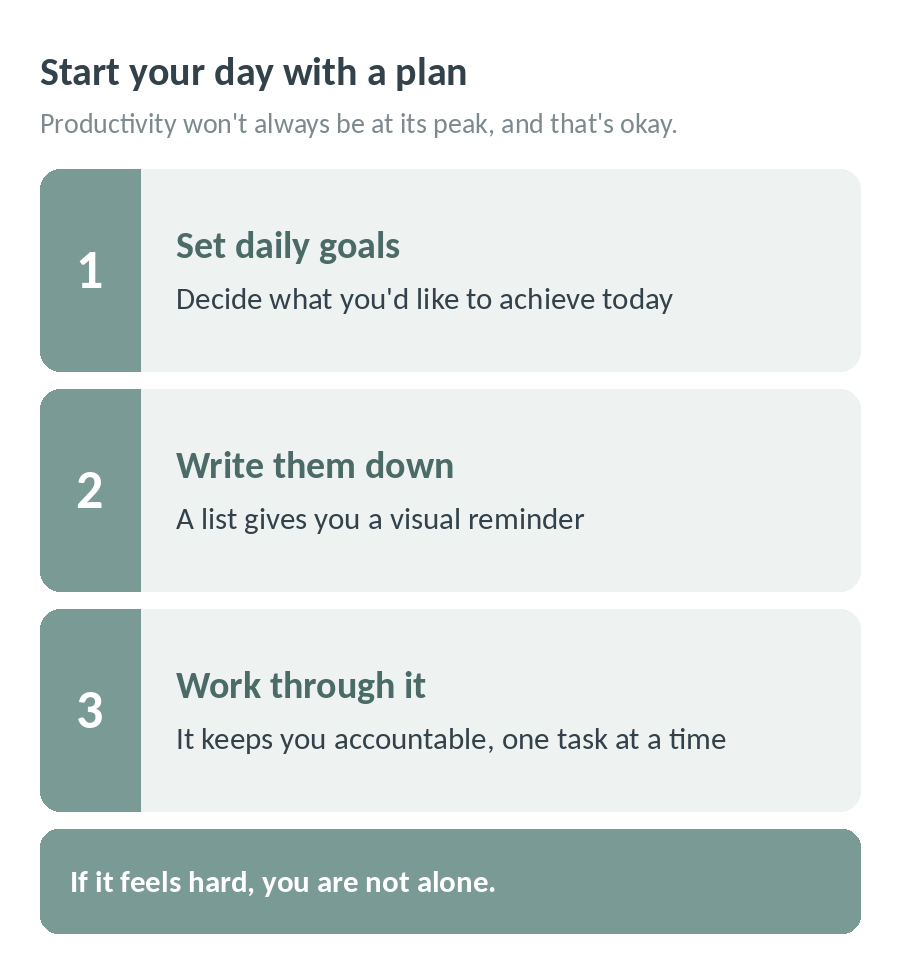
  1. Start your day with a plan and a schedule: It is important to recognise that these are not normal times and individual productivity is likely to be not at its peak right now. So setting daily goals with a list of things you would like to achieve in a day is likely to increase accountability and give you a visual reminder to work on achieving the tasks you have set on your plan. 
  1. Squeeze in shorter bouts of activity. By planning when you will work and when you will relax can help you to manage a healthy work-life balance at home. Exercise doesn’t have to be long or for hours. Short bouts of exercise are equally beneficial, and often serve as motivation to exercise more. If you have a busy day, schedule in two ten or fifteen-minute workouts. Or make it a habit to do a round of push-ups in between online meetings. Notice how good exercise makes you feel. You’re much more likely to exercise regularly when you take a moment afterwards to focus on how good you feel. 
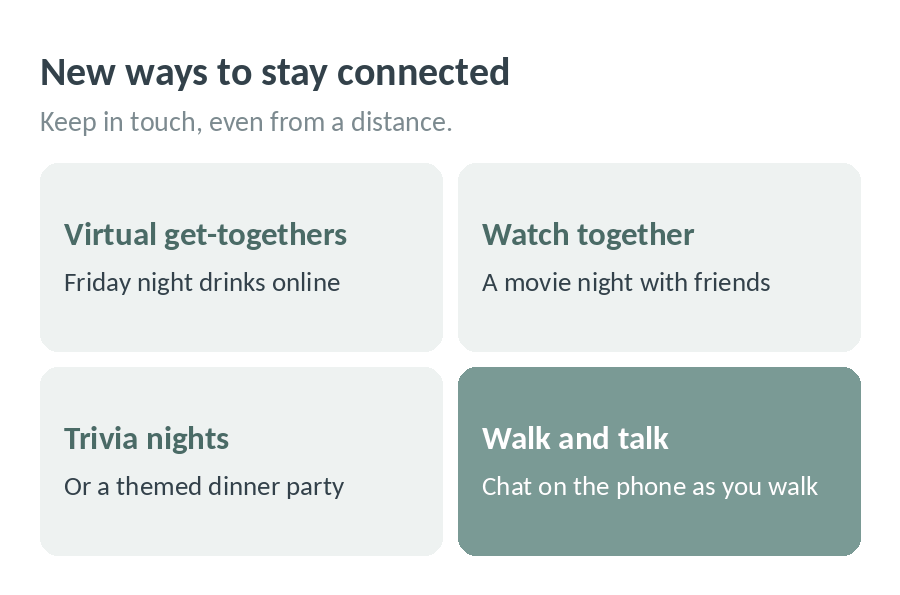
  1. Think of innovative way to stay connected socially: Why not schedule virtual get-togethers with your friends? Ideas like Friday night drinks, Netflix parties, virtual trivia nights or even group dinner parties, where you all decide on a theme, share recipes and eat together. You could also make a regular date to chat on the phone while each of you walks around your neighbourhood.
  1. Be kind to yourself:  Give yourself small rewards when you accomplish a task or goal. Having something to look forward to makes it easier to stick to your plans and maintain motivation. You may find that some days you are highly motivated and get through more tasks than you had planned, but other days you have no focus at all. It’s okay, nothing is normal right now, and we all need to listen to ourselves. 
  1. Looking after your mental health: If you are feeling down, anxious, or depressed more than occasionally, this can interfere with your motivation and general health and wellbeing. Ensure that you are getting enough sleep and prioritizing your mental health. If the feelings continue to persist, it’s okay to reach out for support. 

Through these tough times, it can hard to stay motivated, just remind yourself that this time will eventually pass, set realistic goals for yourself and take the time to look after yourself. 

Remember it’s good to reach out for support. If you are going through difficulties and need to find your inner strength, why not give us a call today?  Our team of highly skilled and well-experienced Psychologists are here to help.  

photo__1_ aanchal

This blog was written by Aanchal Sood, Psychologist at Your Mind Matters.

Aanchal completed studies in psychopharmacology and psychology in England, and is fluent in both Hindi and Punjabi.

Aanchal has experience assisting adolescents, adults and couples to address a variety of difficulties including anxiety and mood disorders, grief and loss, trauma and stress related disorders, adjustment issues (e.g. cultural adjustment), sleep difficulties, relationship difficulties, schizophrenia spectrum and other psychotic disorders, obsessive compulsive and related disorders. 

Aanchal works with us 1-2 evenings per week. 

The 5 Love Languages…More than Just a Gimmick?

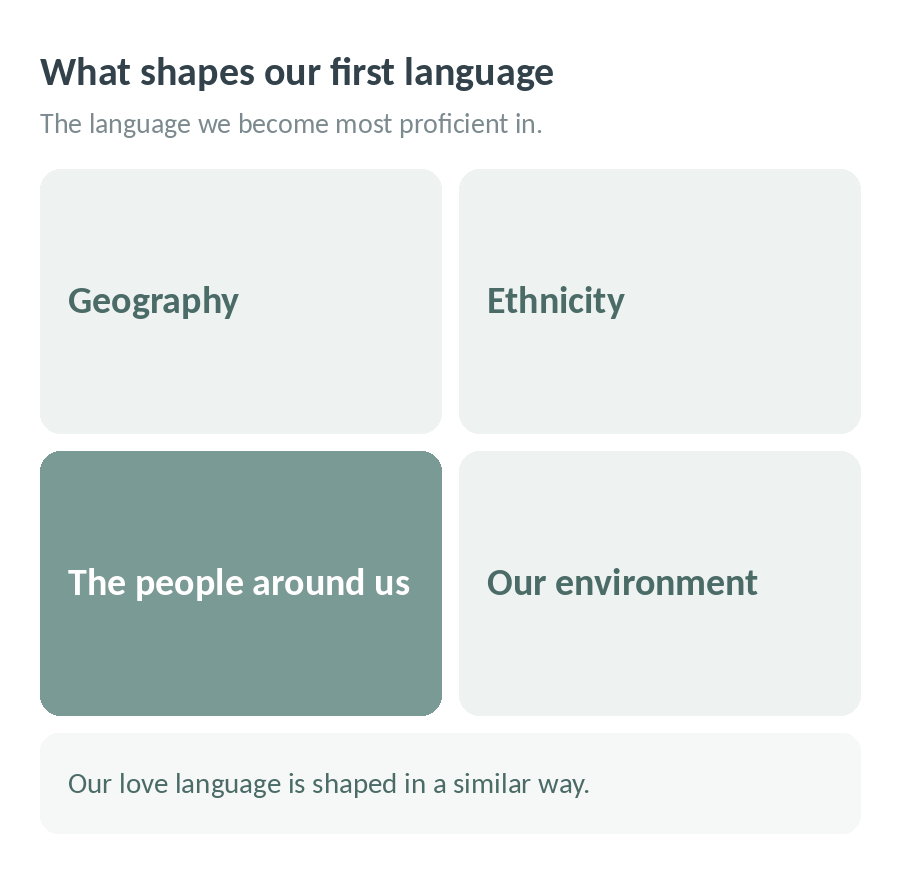
Humans use language as a principal form of communicating with each other. Language allows us to convey our needs, wants, desires, demands and everything in between to be able to build interpersonal relationships and get by in the world. The language that we become most proficient in our lives is known as our primary language. Many factors contribute to the development of our primary language, this may be geography, ethnicity, the people around us, environment etc. 

If languages already allow us to communicate with each other, then what are love languages and what do they help us achieve? The work and research of Dr. Gary Chapman has led to what he deems as the 5 love languages – the way humans communicate with one another to fulfil our emotional needs. 

Words of Affirmation – verbal expressions of love, which may include words of encouragement, appreciation and compliments. 

  • “Thank you for coming with me tonight, I really appreciate it”
  • “I loved that dish you made last week, could you make it again?”
  • “You’re going to ace the interview; I believe in you!”

Quality Time – fostering a sense of togetherness by giving your partner your undivided attention. 

  • Quality conversations: different from words of affirmation, in this form it is about hearing what is said, rather than the words spoken
    • Spending time at the restaurant talking with each other rather than being on our phones
    • Setting aside 30 minutes each night to debrief on each other’s day
  • Quality activities: engaging in activities that allow you both to be and do things with one another and bolster that sense of togetherness. Quality activities include the following three elements:
    • One partner wants to do the activity
    • The other partner willingly engages in the activity
    • Both have an understanding that they are participating in the activity to spend time with each other 

Receiving Gifts – an expression of love where the ‘gift’ symbolises being in their partner’s thoughts. The object, monetary value or size of the gift is not what is important, but rather, it represents a visual symbol of love. 

  • Returning with pastry for your partner after going out for brunch with friends
  • Making a handmade card for their birthday
  • Offer your presence at an event or occasion that you would not normally attend (e.g., birthday party, work drinks, concert) 

Acts of Service – When actions speak louder than words. Expressions of love is perceived by taking the initiative to do tasks without being asked. These are generally small day-day tasks or chores that may become nagged about.

  • Clean away the plates after dinner
  • Making sure the petrol in the car is full
  • Laying out their clothes for the next day 
  • Taking their bag as they walk through the door 

 Physical Touch – expressions of love through physical connection

  • Holding hands, hugging, placing your hand on their knee at dinner 
  • Rubbing their back, shoulder massages, running your hand through their hair
  • Kissing and physical intimacy 

Now that we are aware of the five love languages, are you able to identify which ones might be yours? What about your partner’s or your friend’s love language? 

Just like our primary spoken language, our personal love language is learnt and shaped by many factors during childhood. Children tend to develop unique emotional patterns, which depend upon their individual characteristics as well as how their parents and the significant people in their lives expressed love to them. This in turn tends to become their own primary love language. They become the most proficient in expressing love in this way and seek this form of love from their partner to be emotionally fulfilled. 

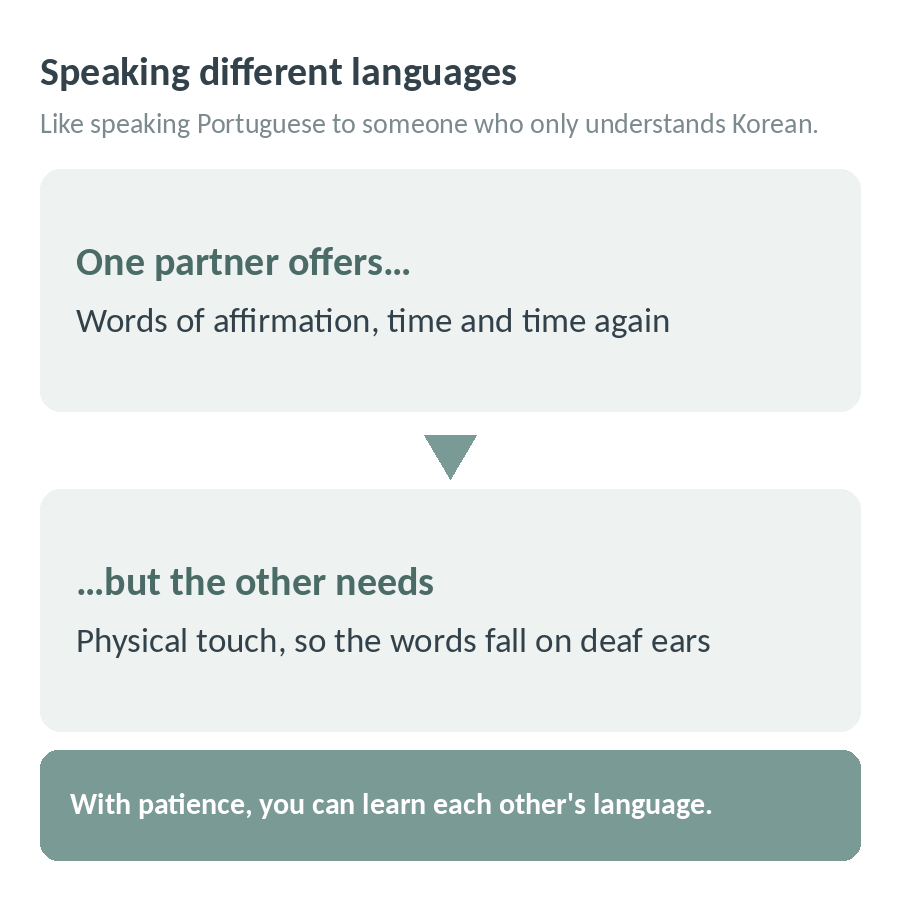
Emotional distance can grow in a relationship when both partners are not speaking the same language. Both may feel as though they are emotionally expressing their needs, but never being heard. A partner may be offering words of affirmation time and time again, however if their partner’s primary love language is physical touch, then those words are falling on deaf ears. It is akin to speaking in Portuguese when your partner only understands Korean. 

Throughout our life, we may learn a secondary language, however this may require more effort, take more practice and we may never be as comfortable with this as we are with our primary language. This can also be true for love languages. You and your partner may need to learn secondary love languages to be able to emotionally communicate with each other. This may be difficult and unfamiliar at first, but with patience and persistence will come success.

To find out your love language head to the following site and take the quick quiz: 

https://www.5lovelanguages.com/ 

This blog was written by Simone Chaochalakorn, psychologist at Your Mind Matters.

Simone completed undergraduate and postgraduate studies in Psychology (Honours these exploring conflict behaviour in relationships at Deakin University), as well as a Masters of Professional Psychology at the Cairnmillar Institute.
Simone has experience working in a variety of contexts, including working with young children in primary schools, as well as adolescents in clinics. Alongside this, Simone has also assisted adults and seniors with concerns such as work-related stress, relationship difficulties, anxiety and low mood.

Simone works with us 3 days per week.

Supporting Primary School children with managing school anxiety

Regardless of your child’s age group, the transition back to school for the start of a new year can be anxiety provoking. This year, in addition to all the usual stress experienced at the start of the year, kids are facing new and unique challenges. Whilst older children are usually better able to rationalise the situation and assess the risk, this is often a struggle for younger children. 

Anxiety about being separated from their families and about leaving the home which was their safety harbour through the pandemic is likely to be one of the more common challenges. Even kids who had comfortably adjusted to being in school prior to the pandemic, are likely to find it stressful. Fearing that they are not as safe as they thought they were and the uncertainty of what the year ahead holds, is likely to add extra facets to the experience. Whilst for some children, the excitement of school will outweigh potential effects of anxiety, those kids who are generally more anxious, will be more prone to this being exacerbated by the return to/start of school. 

When kids go out now, they’re reminded not to get too close to other people, to keep their masks on, to use sanitizer, to wash their hands. There’s just anxiety in the air, which is easily picked up by even the youngest students. So, parents have a dual role of helping the children deal with all this anxiety and uncertainty by reassuring them that it’s safe to be away from home, whilst also encouraging them to be careful and preparing them to be flexible in case the situation changes. 

Below are some ideas to consider in supporting your kids in their return to school

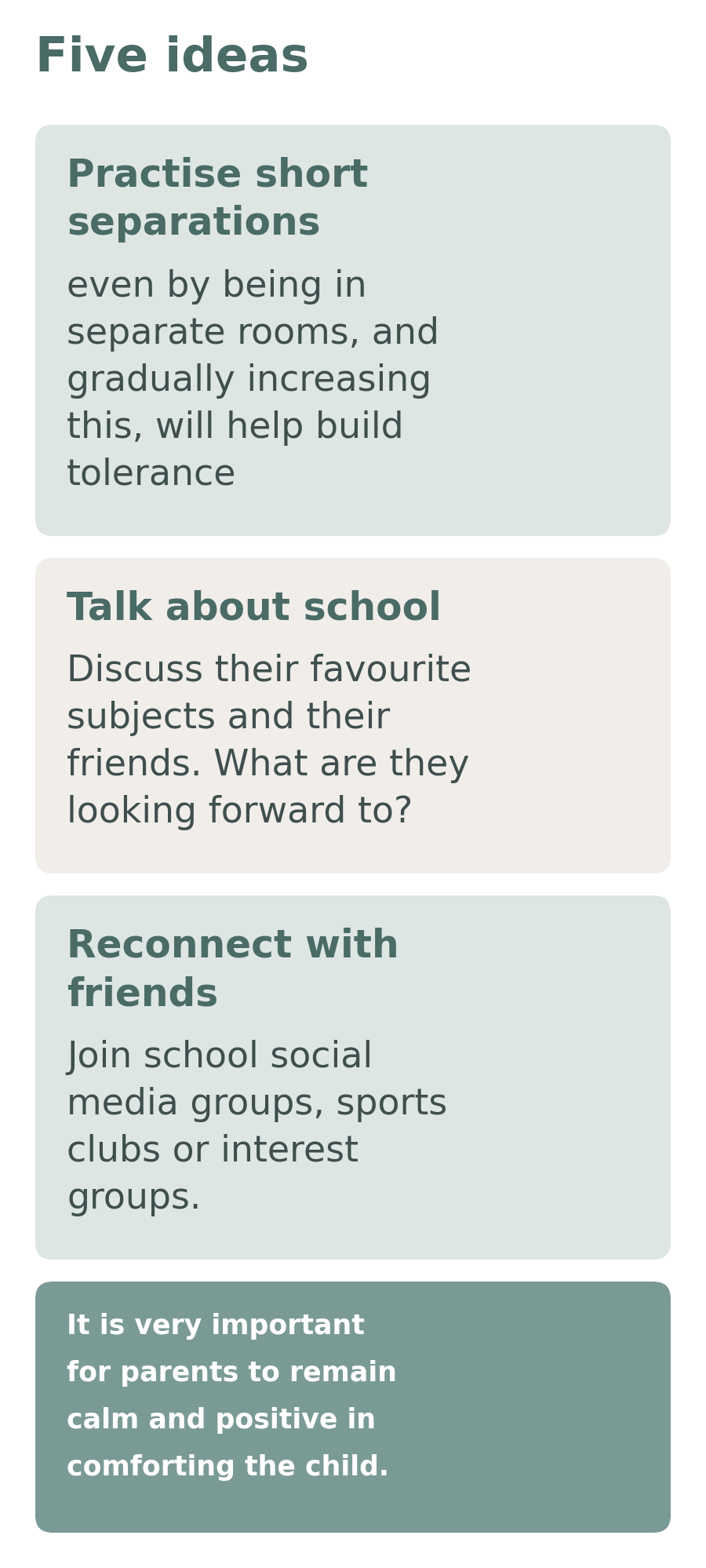
  • Younger children are more likely to present as clingy or fearful about separating from parents and this can be quite distressing. For children who are anxious about being separated from the parent, practicing short separations (even by being in separate rooms) and gradually increasing this, will help build tolerance for more and more independence. It is very important for parents to remain calm and positive in comforting the child. Rather than minimising and dismissing their feelings, it is important to validate their fears and give them a safe space to discuss these. At the same time, you don’t want to feed into it too much, as the aim is to help them think of something they can do about it. 
  • Try to talk to them as frequently as possible about school. Discuss fun memories you have from your own childhood or of their previous years. Discuss their favourite subjects (or things they might enjoy) and their friends (either current or those they would like to find). Try to get them to talk about the good things about school. What are they looking forward to? What did they enjoy the previous day? This will ignite nice memories and positive expectations and help your child to get enthusiastic about attending.
  • Reconnecting with friends, either face to face or virtually and trying to forge new friendships (with assistance of other parents) is very important for creating a positive foundation for the year. Join school social media groups, sports clubs or interest groups. If your child already has a few friends, try to encourage them to also join as this will foster stronger friendships.
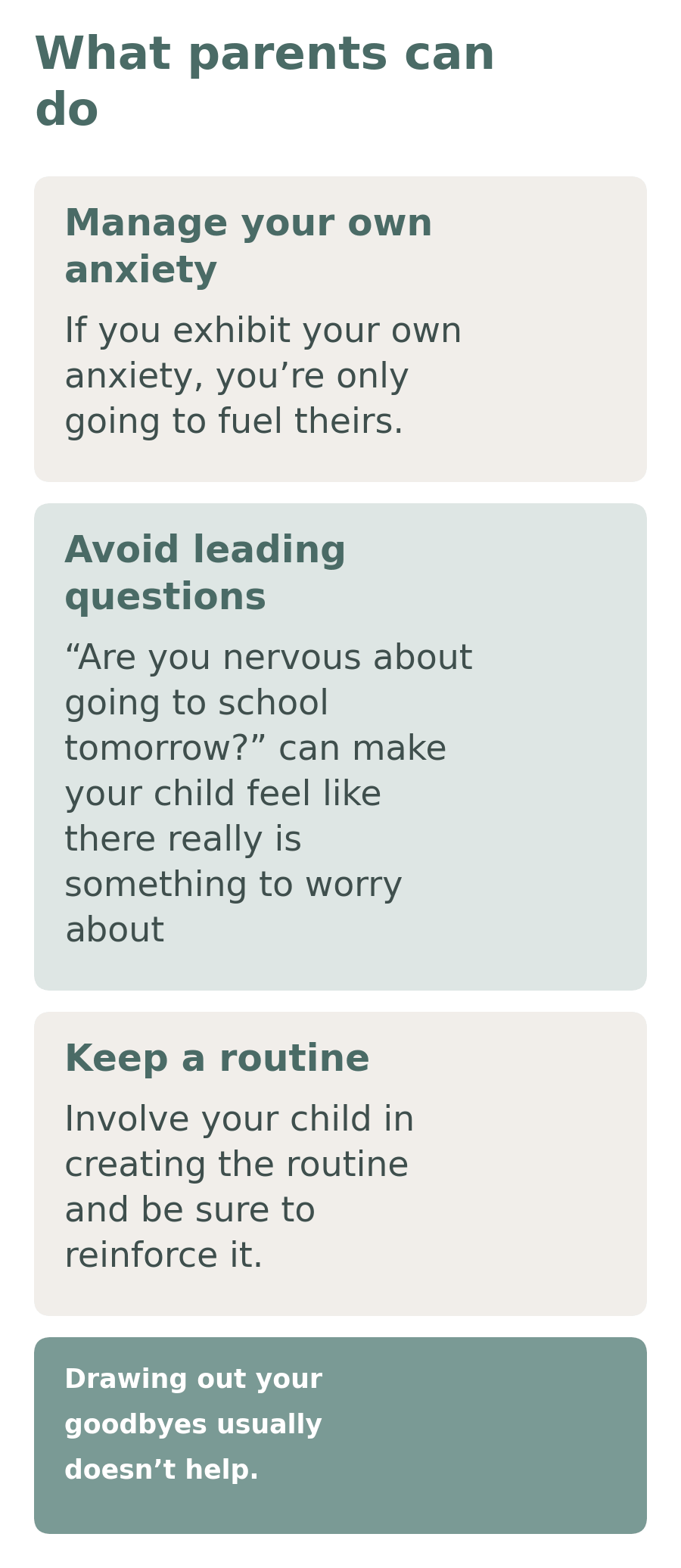
  • Managing your own anxiety as a parent is vitally important. If you exhibit your own anxiety, you’re only going to fuel theirs. So, it’s important to honestly answer questions and act calm, even when you are not. Be mindful of asking leading questions (“Are you nervous about going to school tomorrow?”), as these can really make your child feel like there really is something to worry about.
  • Having a routine in place can help kids to feel more secure. This can involve both the preparation for school but also at drop off. Involve your child in creating the routine and ensure to reinforce it. Many kids feel better as soon as they get into the swing of the school day, so drawing out your goodbyes usually doesn’t help. If your child reacts more strongly when dropped off by one parent, where possible, try to mix up who does drop offs. Carpooling or walking groups with local friends is also a great option to give your child a positive experience about going to school.

When to get help?

Children often just need time to become used to separating form the parent. Involving the classroom teacher in supporting this is also very important. However, if your child is continuing to have severe meltdowns at drop-off time for several weeks, struggles to recover and exhibits changes in behaviour, appetite or sleeping patterns, then seeking help from a psychologist can make a big difference.

Treatment usually involves working with the child and the parents to plan step-by-step ways for them to practice separating a little at a time. Where needed, a psychologist will collaborate with teachers, too, to see how they can assist in the process and also to make sure everyone is on the same page. Treatment also involves helping kids talk kindly to themselves and assist them in developing coping strategies that they can effectively utilise when they are struggling.

If you as a parent are finding yourself struggling to support your child in their return to school or are noticing changes in mood, energy and behaviours, seeking help for yourself may also provide you with support and strategies to assist your children in their journey.

If you would like some support, why not give us a call today? Our team of highly skilled and well-experienced psychologists are here to help.

References

Miller, C. How to help kids manage worries and have a successful start to the school year. https://childmind.org/

van Zwanenberg, H (Dr). Managing children’s fears around returning to school after coronavirus ‘lockdown’ https://www.priorygroup.com/

Lana professional photo

This blog was written by Lana Lubomirska, Psychologist at Your Mind Matters.

Lana is a warm, friendly and empathic practitioner with experience in working with children, adolescents and adults from different cultural and socioeconomic backgrounds.

Lana uses a variety of evidence-based therapies to support clients in addressing difficulties with anxiety, depression, relationship issues, friendship problems and educational stresses. These include Acceptance and Commitment Therapy, Cognitive Behaviour Therapy, Motivational Interviewing, Solution Focused Therapy and Mindfulness Techniques as well as elements of psychodynamic and play therapies.

Lana works with us 2 evenings per week.

Managing Grief and Loss

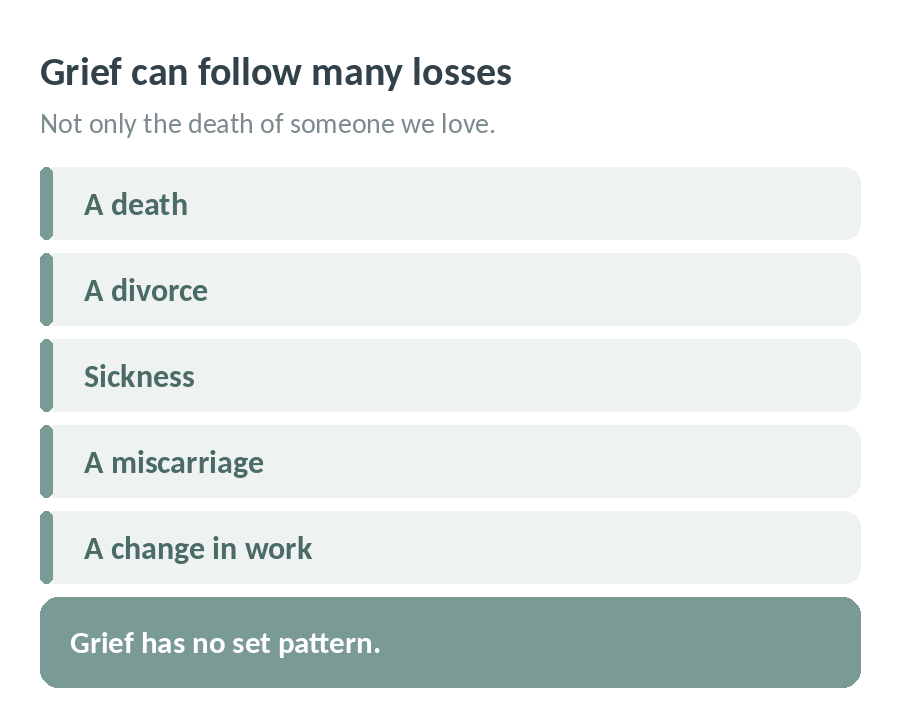
Grief, in general, is a response to loss. Grief can occur after a death, divorce, sickness or other significant loss such as a miscarriage or changes to one’s employment status. 

Grief often involves intense sadness, and sometimes feelings of shock, numbness or even denial and anger. Nonetheless, how people experience and manage grief can differ from person to person. It has no set pattern. Some people like to be expressive and public with their emotions, while others like to keep grief private. 

Grief is also a process or journey that affects individuals differently. For some, it can be exhausting and emotionally draining, making it hard to do simple things or even leave the house, while others cope by becoming more active.

For most people, healing occurs with time. They may always carry sadness and miss the person who has died, but are able to find meaning and experience pleasure again. Some people even find new wisdom and strength after experiences of loss.

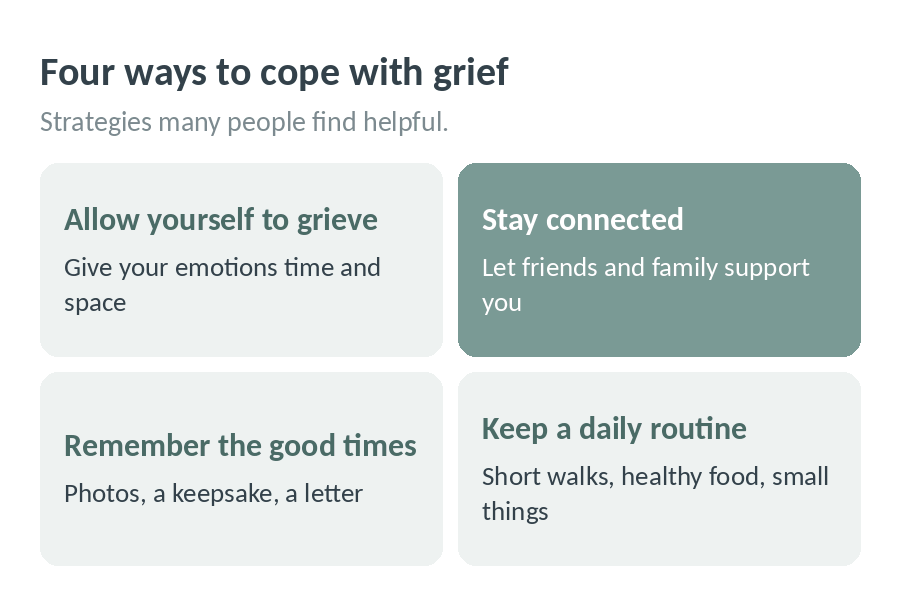
I have personally found the following strategies of coping with grief to be helpful:

  1. Allowing yourself to grieve – Give yourself the time and space to experience your emotions. Cry if you need to. Exploring and expressing emotions can be part of your healing process. 
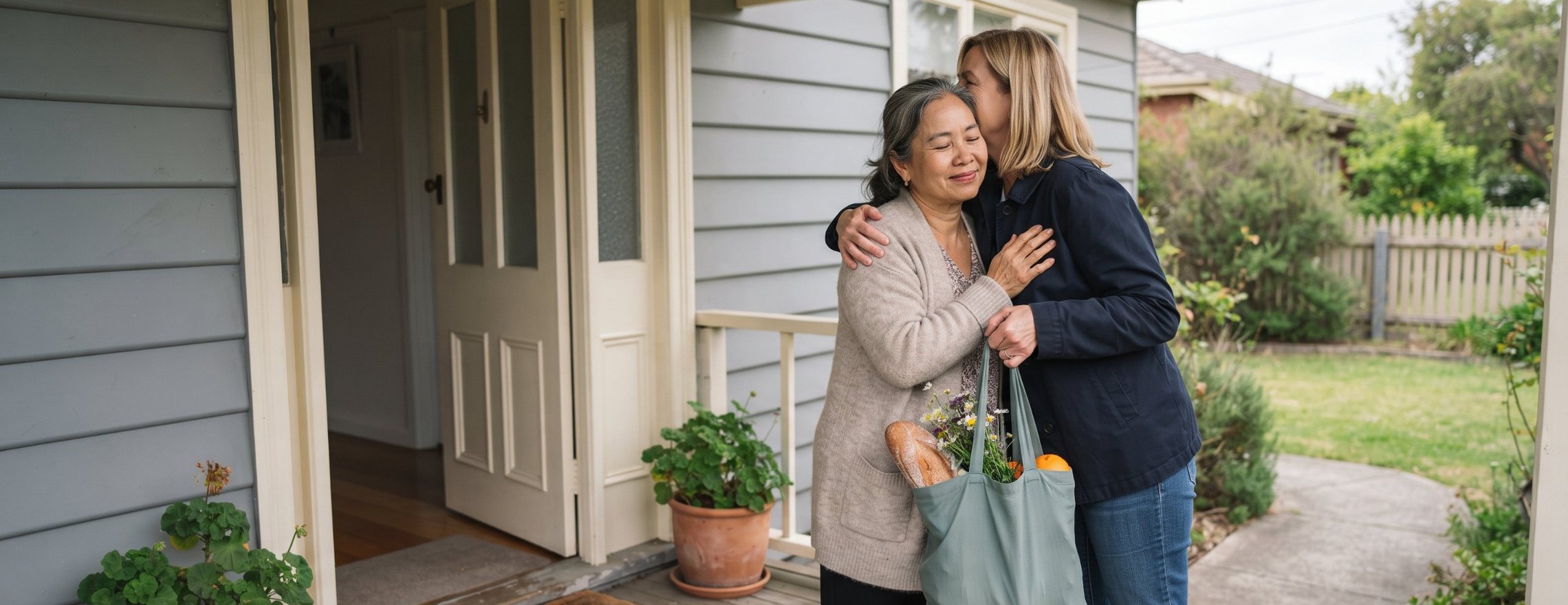
  1. Staying connected – Surrounding yourself with friends and family who are able to support you emotionally and functionally (help get some groceries, walk your dog etc).
  1. Remember the positive memories – Think of the moments you enjoyed with the person. Go through pictures or have an object belonging to the individual close to you. Write a letter or journal. 
  1. Keep a daily routine – While you allow yourself to grieve, also ensure you take care of yourself by going out for short walks and eating healthy food. You will be surprised that simple things such as making your bed in the morning or grooming your hair can also have a positive impact on your day.

While some are able to process grief and loss without professional help, others may need an extra helping hand. If you present with the following symptoms, it may be time for you to seek help: 

  • appetite changes (loss of appetite or overeating)
  • intense sadness
  • difficulty sleeping
  • feelings of emptiness or feelings of despair
  • thoughts of harming yourself

Our dedicated and experienced team at Your Mind Matters can help you. You do not need to go through this alone. Please do not hesitate to contact us at 03 9802 4654 should you wish to discuss your options.

Shannon

This blog was written by Dr Aiyuen (Shannon) Choong, Psychologist at Your Mind Matters. Aiyuen is fluent in English and Mandarin, and is passionate about working with children from preschool years through to adolescence.

To learn more about Aiyuen, click here.

Self-care This Holiday Season

It’s that time of year again….December! The new year is fast approaching and for many of us, December can be an extremely busy month, catching up with friends and family, and winding up with work for the year. For many, this time of year is associated with getaways and family holidays, however that may not be the case this December. 2020 sure hasn’t been your average year. It’s been filled with many ups and downs, and challenges. For the most part, us Melburnians have spent the year in lockdown and many people felt alone and isolated. As we start to peak our heads out and begin to socialise, we might find ourselves feeling quite overwhelmed and quickly burnt out.

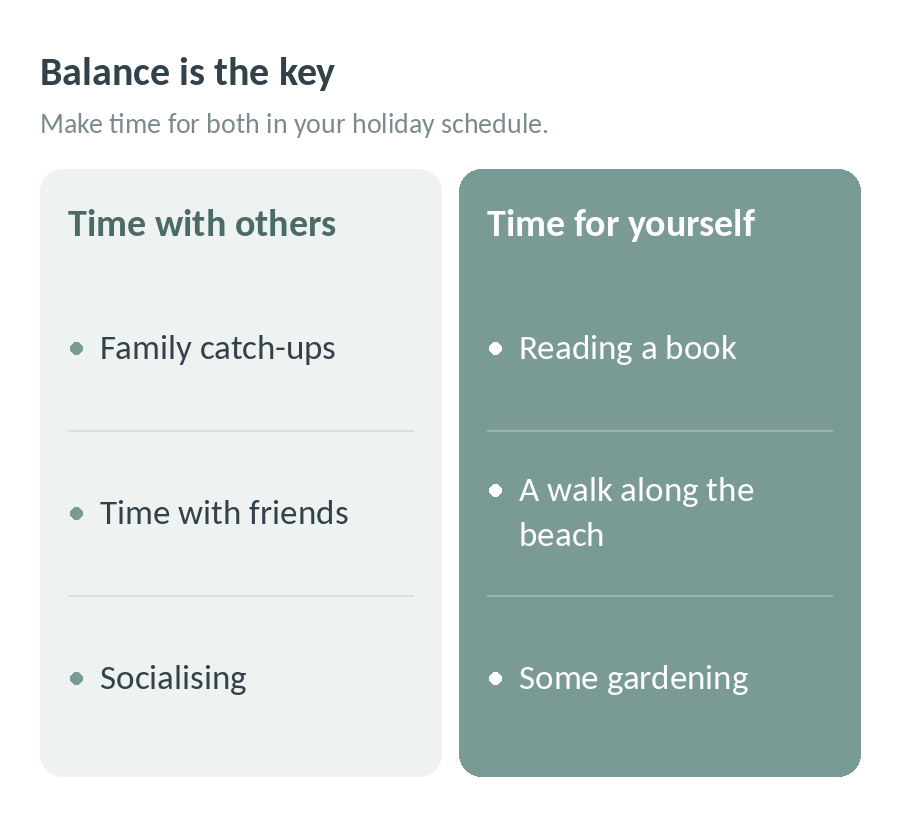
It is important to take a moment to pause and reflect on self-care and how you’re coping. Whilst some may feel obligated to spend every moment socialising, it is important to remember that balance is the key. Here are some tips which I hope you find helpful:

  • Have a balance. I can understand how busy the holiday season can become. Take a moment to draw up a schedule and make time for socialising with family and friends as well as time for yourself. 
  • Be kind to yourself and focus on your needs. We are all unique. Whilst others may recharge by spending lots of time with family and friends, this isn’t the case for everyone. Really tune into what your body and mind need. This might be some quiet time reading a book, going to the gym, walking along the beach or doing some gardening.
  • Plan ahead. Although you may not get to go on that family trip, why not organise some day trips in Victoria? We live in such a beautiful city. I am sure there are plenty of little towns that are waiting for you to go and explore.
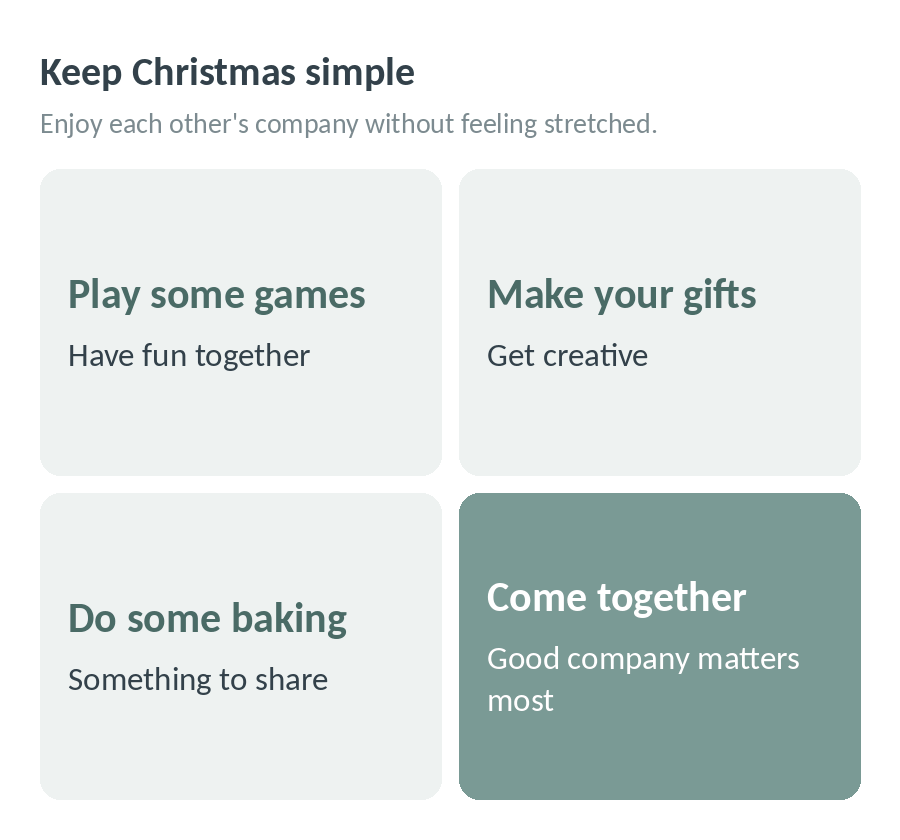
  • Don’t feel obligated. For a lot of people, 2020 has been financially taxing. Christmas is one of the most expensive times of the year and often people find themselves feeling obligated to spend big on gifts. This year, try and keep it simple. If this year has taught us anything, it’s the value of good friendship and support. Why not make this a time to come together and enjoy each other’s company? Play some games, have fun. Try and be creative. Make your Christmas gifts or even do some baking. But most importantly focus on what you can do and what isn’t going to lead you to feel financially stretched.
  • Say “no” : Sometimes, you just need to say no for your own well-being. If you find yourself saying “yes” out of obligation because “no” feels really difficult, here are some links which may be helpful: https://tinybuddha.com/blog/stop-saying-yes-want-say-no/; https://www.mindful.org/compassionate-boundaries-say-no-heart/; https://www.youtube.com/watch?v=FtPRrn5nwAo
  • Set goals. Take some time to draw up some goals for the new year. Don’t think of them as resolutions, but more as an opportunity to reflect on what you want to work on. Remember to be true to yourself.

If you are struggling to adjust following the lockdown period and you would like some support, why not give us a call? Our team of psychologists are here to help.

Your Mind Matters Psychology Services will be closed over the holiday season from 23/12/20 and reopening on 14/01/21. If you require support during this time, please contact your GP. There are phone counselling services you can contact including Beyond Blue 1300 22 46 36 and Lifeline 13 11 14. If you require immediate support please call 000 or attend the Emergency Department at your local hospital.

From all of us here at Your Mind Matters, we wish you a Merry Christmas and a safe and prosperous New Year. 

mariaThis blog was written by Maria Kampantais, psychologist at Your Mind Matters Psychology Services. She works with us 4 days per week (day and evening sessions) and is passionate about working with clients suffering from various anxiety disorders. 


📅 Book an Appointment