📅 Book an Appointment

Managing Grief and Loss

Grief, in general, is a response to loss. Grief can occur after a death, divorce, sickness or other significant loss such as a miscarriage or changes to one’s employment status.

Grief often involves intense sadness, and sometimes feelings of shock, numbness or even denial and anger. Nonetheless, how people experience and manage grief can differ from person to person. It has no set pattern. Some people like to be expressive and public with their emotions, while others like to keep grief private.

Grief is also a process or journey that affects individuals differently. For some, it can be exhausting and emotionally draining, making it hard to do simple things or even leave the house, while others cope by becoming more active.

For most people, healing occurs with time. They may always carry sadness and miss the person who has died, but are able to find meaning and experience pleasure again. Some people even find new wisdom and strength after experiences of loss.

I have personally found the following strategies of coping with grief to be helpful:

  1. Allowing yourself to grieve – Give yourself the time and space to experience your emotions. Cry if you need to. Exploring and expressing emotions can be part of your healing process.
  2. Staying connected – Surrounding yourself with friends and family who are able to support you emotionally and functionally (help get some groceries, walk your dog etc).
  3. Remember the positive memories – Think of the moments you enjoyed with the person. Go through pictures or have an object belonging to the individual close to you. Write a letter or journal.
  4. Keep a daily routine – While you allow yourself to grieve, also ensure you take care of yourself by going out for short walks and eating healthy food. You will be surprised that simple things such as making your bed in the morning or grooming your hair can also have a positive impact on your day.

While some are able to process grief and loss without professional help, others may need an extra helping hand. If you present with the following symptoms, it may be time for you to seek help:

  • appetite changes (loss of appetite or overeating)
  • intense sadness
  • difficulty sleeping
  • feelings of emptiness or feelings of despair
  • thoughts of harming yourself

Our dedicated and experienced team at Your Mind Matters can help you. You do not need to go through this alone. Please do not hesitate to contact us on (03) 9802 4654 should you wish to discuss your options.

If you need support right now

If this is an emergency, call 000. For 24-hour support, call Lifeline on 13 11 14 or text 0477 13 11 14. More options are on our resources page.

Our Blog Author
This post was written by Dr Aiyuen (Shannon) Choong, formerly a Psychologist at Your Mind Matters. Support with grief and loss continues to be part of our services. Meet our team.

Self-care This Holiday Season

It’s that time of year again….December! The new year is fast approaching and for many of us, December can be an extremely busy month, catching up with friends and family, and winding up with work for the year. For many, this time of year is associated with getaways and family holidays, however that may not be the case this December. 2020 sure hasn’t been your average year. It’s been filled with many ups and downs, and challenges. For the most part, us Melburnians have spent the year in lockdown and many people felt alone and isolated. As we start to peak our heads out and begin to socialise, we might find ourselves feeling quite overwhelmed and quickly burnt out.

It is important to take a moment to pause and reflect on self-care and how you’re coping. Whilst some may feel obligated to spend every moment socialising, it is important to remember that balance is the key. Here are some tips which I hope you find helpful:

  • Have a balance. I can understand how busy the holiday season can become. Take a moment to draw up a schedule and make time for socialising with family and friends as well as time for yourself.
  • Be kind to yourself and focus on your needs. We are all unique. Whilst others may recharge by spending lots of time with family and friends, this isn’t the case for everyone. Really tune into what your body and mind need. This might be some quiet time reading a book, going to the gym, walking along the beach or doing some gardening.
  • Plan ahead. Although you may not get to go on that family trip, why not organise some day trips in Victoria? We live in such a beautiful city. I am sure there are plenty of little towns that are waiting for you to go and explore.
  • Don’t feel obligated. For a lot of people, 2020 has been financially taxing. Christmas is one of the most expensive times of the year and often people find themselves feeling obligated to spend big on gifts. This year, try and keep it simple. If this year has taught us anything, it’s the value of good friendship and support. Why not make this a time to come together and enjoy each other’s company? Play some games, have fun. Try and be creative. Make your Christmas gifts or even do some baking. But most importantly focus on what you can do and what isn’t going to lead you to feel financially stretched.
  • Say “no” : Sometimes, you just need to say no for your own well-being. If you find yourself saying “yes” out of obligation because “no” feels really difficult, here are some links which may be helpful: Tiny Buddha: how to stop saying yes when you want to say no; Mindful: compassionate boundaries; Video: how to say no without feeling guilty
  • Set goals. Take some time to draw up some goals for the new year. Don’t think of them as resolutions, but more as an opportunity to reflect on what you want to work on. Remember to be true to yourself.

If you are struggling to adjust following the lockdown period and you would like some support, why not give us a call? Our team of psychologists are here to help.

Your Mind Matters Psychology Services will be closed over the holiday season from 23/12/20 and reopening on 14/01/21. If you require support during this time, please contact your GP. There are phone counselling services you can contact including Beyond Blue on 1300 22 4636 and Lifeline on 13 11 14, or text Lifeline on 0477 13 11 14. If you require immediate support please call 000 or attend the Emergency Department at your local hospital.

From all of us here at Your Mind Matters, we wish you a Merry Christmas and a safe and prosperous New Year.

Maria Kampantais smiling, in a portrait photograph

Our Blog Author
This post was written by Maria Kampantais, Senior Clinical Psychologist at Your Mind Matters. Maria works with adolescents and adults on anxiety, depression, interpersonal difficulties, grief and loss, and past trauma. Meet our team.

Adapting to Change

The one constant thing in our lives is change, as it is constant and inevitable. Change can come into our lives as a result of a crisis, as a result of choice or just by chance. In either situation, we are all faced with having to make a choice.

The reality is we cannot avoid the unexpected events or crisis in our lives as it is these events that challenge us and pave a pathway for us to step out of our comfort zone. If we ignore or hide away from the challenge of change, we potentially deny ourselves the opportunity to learn and grow.

Our resilience in life can only grow stronger when we embrace change and manage these challenges in a positive way, rather than ignore the opportunities that change can bring to our lives. Below are some strategies that can assist with adapting to change:

Work on changing your mindset

We tend to like living our lives in our comfort zone because it is a known zone and embracing change is like stepping into the unknown, and hence why our brain consciously resists it. There is no escaping the fact that change is a disruptor and it feels uncomfortable and scary. However, it is our power of choice that enables us to activate positive change in our lives. So, make the choice by changing your mindset.

Focus on your values

Reminding ourselves of what’s important to us, such as family, friends, religious beliefs, scientific achievement, great music, creative expression, can create a surprisingly powerful buffer against whatever troubles may be ailing us. Knowing what is important in your life gives you purpose and sets the direction of how you want to live your life. With a sense of purpose and meaning in life, you have clarity and focus and both these elements are essential to you being able to successfully adapt and manage the impact of change in your life.

Avoid holding on to regrets and look for opportunities in change

Regrets have a huge impact on how you respond to change and they hold you back in life. Letting go of your regrets is key to you being able to move forward in life. You cannot change what you did or did not do in the past so let it go. The only control you have now is to choose to live in your present and future life. Change is the only thing that presents opportunities in life, so if you are open to opportunities then you are open to change.

Live a balanced healthy life

Living a balanced and healthy active life builds our resilience and ability to successfully manage the disruption that change can have on our lives. Finding positive ways to deal with the stress and pressure that we face daily is key to our survival on both a physical and emotional level.

Remember it’s good to reach out for support

You can learn from other people on how they survived change and transition. They can see it more objectively than you can. Talking to others will give you peace in the fact that you are not alone and give you the strength and courage to embrace change.

If you are going through difficulties and need to find your inner strength, why not give us a call today? Our team of highly skilled and well-experienced Psychologists are here to help.

Aanchal Sood smiling, in a portrait photograph

Our Blog Author
This post was written by Aanchal Sood, Senior Psychologist and Supervisor at Your Mind Matters. Aanchal works with adolescents, adults and couples on anxiety and mood disorders, grief and loss, trauma, adjustment and relationship difficulties, and is fluent in Hindi and Punjabi. Meet our team.

How to get a better nights’ sleep

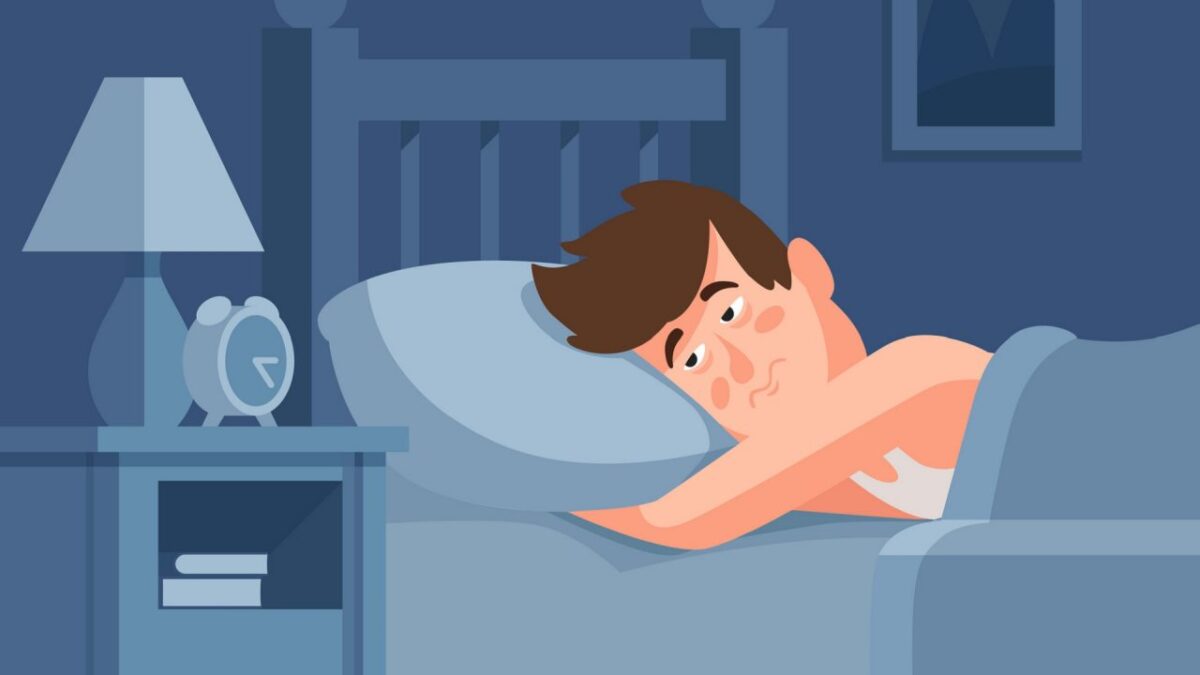
A darkened bedroom at night seen from the foot of the bed, one person lying awake looking at a phone, a bedside clock reading 02:41

Why sleep feels harder than it should

We all have crummy sleep from time to time. When it happens night after night, the usual advice is to go to bed earlier — but that is often not the part that needs changing. What matters more is how consistent your nights are, and what happens in the hour before you get into bed.

Sleep runs in cycles, not in hours

Sleep moves through repeating cycles of roughly 90 minutes, from light sleep into deep sleep and then into dream sleep. You surface briefly between cycles, which is normal and not a sign that something is wrong. Waking at 3am and checking the clock is not the problem; what keeps you awake is what happens next.

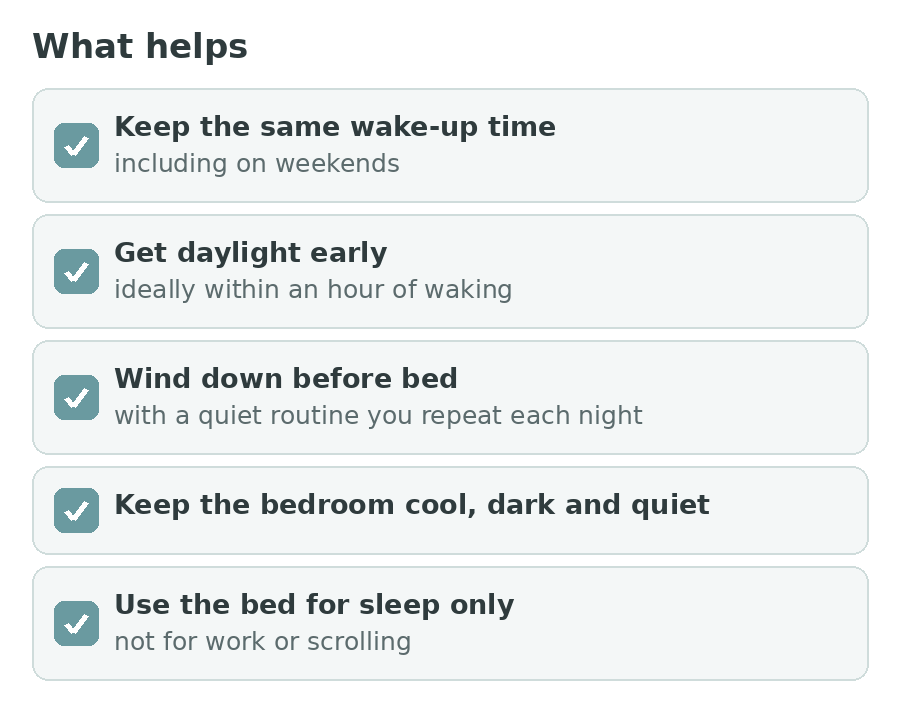
A checklist of five habits that help sleep: keep the same wake-up time, get daylight early, wind down before bed, keep the bedroom cool dark and quiet, and use the bed for sleep only

What helps

  • Keep the same wake-up time, including on weekends
  • Get daylight early, ideally within an hour of waking
  • Wind down before bed, with a quiet routine you repeat each night
  • Keep the bedroom cool, dark and quiet
  • Use the bed for sleep only, not for work or scrolling

What gets in the way

  • Screens in bed, which delay the signal that it is time to sleep
  • Caffeine after mid-afternoon, which stays in the body for hours
  • Alcohol before bed, which helps you fall asleep but breaks the cycles
  • Lying awake in bed, if you are still awake after twenty minutes, get up, do something quiet, and return when you feel sleepy
  • Watching the clock, which adds pressure to an already difficult night

When to seek support

If poor sleep has lasted more than a few weeks, or it is affecting your mood, concentration or daily functioning, it is worth talking it through with a professional. Our psychologists can help you work out what is maintaining the pattern and what to change first.

Your Mind Matters Psychology Services

Written by the team at Your Mind Matters
Our blog is written by the registered psychologists at Your Mind Matters Psychology Services in Notting Hill, Melbourne. If something here speaks to your situation, our team is here to help. Meet our team.

📅 Book an appointment

Animal-assisted therapy at Your Mind Matters Psychology Services

A folded blue therapy dog vest on a sunlit bench, with a Labrador in a matching vest greeting a person out of focus behind

What is animal-assisted therapy?

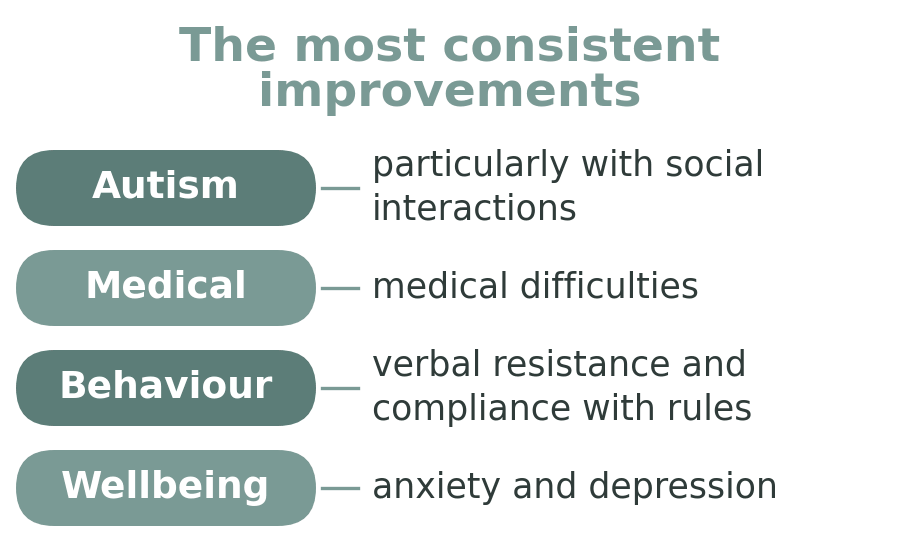
Animal-assisted therapy, or AAT, involves a situation where an animal is assisting a therapist to reach a specific goal with a client. Many animals can assist in a therapeutic environment, such as dogs, cats, horses, and even rabbits! Research has shown that there are many benefits to animal-assisted therapy. The most consistent improvements have been found in the following four areas: autism spectrum disorder, particularly with social interactions, medical difficulties, behavioural problems such as verbal resistance and compliance with rules, and emotional wellbeing (anxiety and depression). And best of all, dogs are not judgemental. You could be having a terrible day, and a dog will still love you and seek your attention, no matter what. They will also keep all of the things they hear in your session a secret!

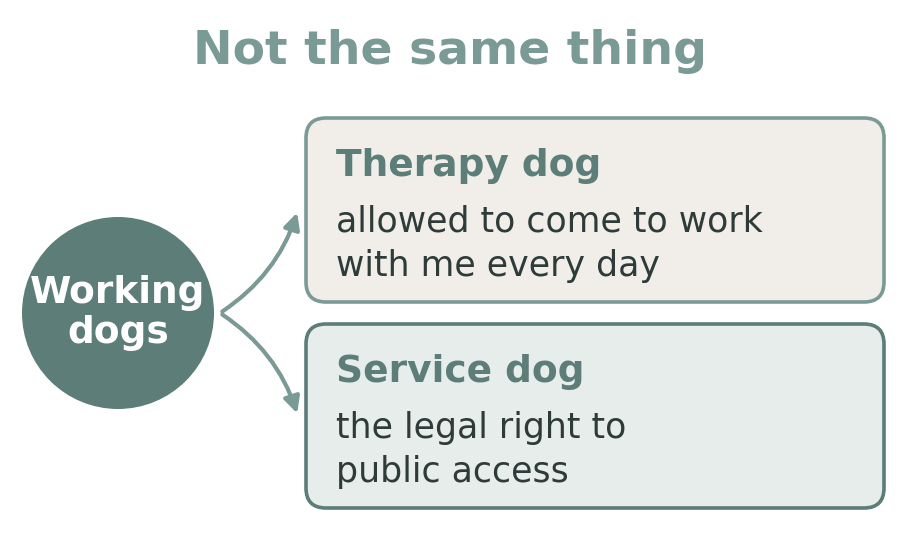
Diagram: working dogs branch into therapy dogs, allowed at work every day, and service dogs, with the legal right to public access
Luna, a yellow Labrador Retriever, sitting on the grass wearing a blue therapy dog vest

Luna in her therapy dog vest.

Meet Luna

My dog, Luna, who is a three-year-old Labrador Retriever, started working with me in October 2019, when she received her therapy dog certification. Since then, I have been fortunate enough to see how much she has made a difference for our clients in session in many different ways. Here are some ways having a therapy dog in session has assisted my own clients.

Luna has helped with engagement and attendance. Many children and adolescents we see find comfort in her presence, and would otherwise not engage in psychology sessions at all, or would do so with great difficulty and resistance.

Luna is a very excitable dog, and this has proven to be very useful for emotion regulation. As the therapist, I often draw parallels between Luna’s emotions and behaviour, and how the child feels when walking through the door, and children will usually help Luna regulate herself, by doing so themselves.

Finally, in session, I have been able to practise social skills and assertiveness with children and adolescents by using Luna on the receiving end, as this is often less confronting for a shy individual. Some individuals also simply prefer to have an animal in session, as they find eye contact and a one-on-one environment confronting, and the presence of an animal provides comfort.

The different types of working dogs

It is important to know the different types of working dogs. For example, as mentioned above, Luna completed training which allows her to use the title “Therapy Dog”. This means that Luna is allowed to come to work with me every day and help me in therapy sessions. Luna wears a vest to help others identify what her role is. Wearing a therapy dog vest also signals to people that she is a friendly dog, and that she has been trained to deal with and cope with some potentially stressful situations. Often people get confused and think that being a therapy dog gives Luna the legal right to public access, such as shopping centres and movies. However, this is strictly something only service dogs, also known as assistance dogs, are allowed to do. Other working roles taken on by dogs include emotional support dogs, companion dogs and facility dogs.

Diagram: the most consistent improvements, in autism with social interactions, medical difficulties, behaviour and emotional wellbeing

Saying hello

It’s always important to ask any dog owner if you can pat their dog, before getting too close, and this is especially important for little kids. If you see Luna in the waiting area at Your Mind Matters, she would love to say hello — but be sure to check in with me first to make sure it’s OK.

If you would like to know more about animal-assisted therapy at our clinic, call us on (03) 9802 4654 or book an appointment online.

References

  • Nimer, J., and Lundahl, B. (2007). Animal-assisted therapy: a meta-analysis. Anthrozoös, 20, 225–238.
  • Lead The Way Institute, Melbourne — therapy dog and handler training and certification.
Johana Xanthopoulos with her therapy dog Luna

Our Blog Author
This post was written by Johana Xanthopoulos, Clinical Psychologist at Your Mind Matters. Johana works with children and adolescents, with particular experience in autism, anxiety and depression, and has completed Animal Assisted Therapy training with her dog Luna. She is fluent in English and Greek. Meet our team.

Book an appointment

Why Everyone Needs Their Beauty Rest

Many people say that sleep is important and that we need to rest up, but why exactly is that so? What are the actual benefits of sleep, and what could go wrong when we don’t actually get a full night’s rest? A good night’s sleep doesn’t just lie in the amount of time that you spend in bed, but also includes other details such as the amount of time it takes to fall asleep, the amount of time spent asleep and the overall quality of sleep.

It may be interesting to know that there are two types of sleep – non-rapid-eye-movement sleep and rapid-eye-movement sleep – and each of these types bring about their own benefits.

Non-rapid-eye-movement sleep, aka NREM

NREM accounts for 75% of the time that we spend asleep and can be further broken down into four different stages.

  • Stages 1 and 2: These two stages are when we transition from being awake to the onset of sleeping. This is when we would typically see physiological changes to our body temperature and heart rate.
  • Stages 3 and 4: These two stages play a vital role in the growth and repair of our bodies. This is the time that our bodies are given to rest and recover, while also restoring physical energy for the next day. Alongside its physical benefits, REM sleep is also crucial for mental functioning – allowing our memories for the day to be processed, sorted, arranged and culled.

Rapid-eye-movement sleep, aka REM

While REM sleep only accounts for around 25% of our sleep, the magnitude of its function is far greater. REM sleep is a contrasting time as our brains are highly active, but our bodies become more immobile as we experience a loss of muscle tone. Episodes of REM sleep are responsible for restoring other parts of mental functioning and performance, such as our ability to concentrate. Research also indicates that during REM sleep the emotional distress that we experience throughout the day is stripped away from our memories, and deprivation of this type of sleep can heighten interpersonal sensitivity, resulting in difficulties with emotional regulation and contributing to depression and post-traumatic stress.

As we continue to sleep throughout the night, we alternate between both NREM and REM sleep in a cyclical fashion. However, each cycle is not equal. Throughout the first cycle of sleep, REM may only last five minutes or so, with each episode of REM becoming progressively longer throughout the night. Given our newfound understanding of the importance of REM sleep, this explains why a substantial and good quality night’s rest is essential for our everyday functioning.

Is 7.5 hours enough?

While we can see that sleep is important, and different stages of sleep provide different benefits, some may question, well how many hours of sleep do I actually need? The answer to this is: it depends! Really there is no set number of hours that an individual will need to be well rested. This can depend on various factors such as developmental stage, age and personal characteristics and preferences.

As a general guide, infants and toddlers will require greater amounts of sleep, up to 16–19 hours a day given their developmental needs. As we age our sleeping patterns tend to change and the number of hours will also reduce. Generally, the average amount of hours an adult will need to sleep is between 7–9 hours a night; however, some are perfectly functional with 6 hours, while others are not human without 10 hours.

What happens when we don’t get enough sleep?

As life progresses and we are faced with new exciting adventures and possibilities, responsibilities and commitments, time can become fleeting and sleep can often be traded off in lieu of other things that we may deem more essential. But what are we really trading off?

Without a good night’s rest, we may experience the following impacts:

  • Difficulty with our concentration and attention
  • Fatigue and tiredness which impairs our judgement and reaction time
  • Lower tolerance leading to increased irritability and moodiness

While the short-term effects of a sleepless night are already bothersome, long-term sleep deprivation can have a more profound impact on both our mental and physical wellbeing.

  • Chronic sleep deprivation has been linked to medical conditions such as obesity, heart disease, diabetes and lowered immune functioning
  • Mental health issues such as anxiety, depression and post-traumatic stress

So how do we fix this?

Sleep hygiene is the term given to define what healthy sleeping habits may look like. As previously mentioned, there is more to good sleeping than just the hours we spend asleep. ‘Good sleepers’ generally take no more than 30 minutes to fall asleep each night and will only wake once or twice throughout to either take a toilet or drink break.

Does this sound like you? If not, here are some starting sleep hygiene tips to get you there.

  1. Routine, routine, routine – try to implement a structured and consistent sleep and wake time every day
  2. Atmosphere – create a calming and peaceful environment that is sleep-inducing
  3. Now is not the time for stimulants – avoid caffeine, nicotine, strenuous exercise and technology close to bedtime
  4. Bed = sleep – allow the brain to associate your bed with only sleeping instead of other activities such as eating, reading or watching television

What if that’s not enough?

If you’re finding that you’ve tried to implement these basic sleep hygiene tips and it’s still a struggle – difficulty falling asleep, broken sleep, not feeling rested, continued fatigue and lethargy after excessive sleep – your sleep disturbance may be part of a bigger mental health issue, and you may wish to seek professional advice. Our team of psychologists are here to help. Call us on (03) 9802 4654 or book an appointment online.

References

Simone Chaochalakorn smiling in a headshot

Our Blog Author
This post was written by Simone Chaochalakorn, formerly a Psychologist at Your Mind Matters. Support with sleep difficulties, anxiety and low mood continues to be part of our services. Meet our team.

Are you trying to cope with a loss?

Grief is a natural response when facing a life limiting illness and the death of someone you love. Each person experiences grief in their own way. It can change from day to day and over time. There is no right or wrong way of coping with grief.

Grief can feel overwhelming, and at specific times of the year can become a daunting experience. When faced with grief, the most important thing to remember is that you are not alone as normalisation tends to contribute to strength to cope with any loss.

Things you may experience when coping with a loss

  • Have strong feelings – such as shock, anger, sadness, anxiety, panic, etc;
  • Feel confused or have difficulty thinking;
  • Find it hard to understand or accept the situation;
  • Persistent worry about what will happen or have strange dreams;
  • Feel lethargic or tired, lose appetite, find it hard to sleep or feel unwell.

These are normal responses to grief and loss. Your experience of grief will change as you learn to live with your loss. This may take a few or many months, depending on each individual. It is crucial to embrace your own experience of loss as no two individuals are alike.

Things that will help you cope with a loss

It is essential that you take care of yourself, even as you deal with grief. When coping with grief many people become busy looking after others and consequently neglect to address grief symptoms in themselves. Some strategies include:

  • Take time to reflect on what has happened;
  • Use journaling to help you move through emotions. If you are feeling anxious, it may help to write down your thoughts;
  • Find a good listener and talk about the person you have lost and how they contributed to your life;
  • It’s best not to expect too much of yourself and avoid making big decisions too soon. Be good to yourself physically and emotionally. Use exercise to combat negative emotions. Exercise is an excellent self-care antidote to any negative emotions that may arise;
  • To counter the feelings of loneliness you might like to consider joining a local support group for the bereaved. This is a self-care activity that may help you to re-engage with the community. Making connections with like-minded people can be a source of comfort and strength;
  • Do things you enjoy, even if you don’t feel like doing them;
  • Meditation can be a supportive self-care activity to help counter grief-related depression. If you would like to try meditation, the Smiling Mind website provides free meditations for adults and children.

More and more people readily access therapy and discuss mental health. Seeking help at the right time can make the process of coping with a loss much easier.

If you are going through difficulties and need support, why not give us a call today? Our team of highly skilled and well-experienced Psychologists are here to help.

If you need support right now

If this is an emergency, call 000. For 24-hour support, call Lifeline on 13 11 14 or text 0477 13 11 14. More options are on our resources page.

Aanchal Sood smiling, in a portrait photograph

Our Blog Author
This post was written by Aanchal Sood, Senior Psychologist and Supervisor at Your Mind Matters. Aanchal works with adolescents, adults and couples on anxiety and mood disorders, grief and loss, trauma, adjustment and relationship difficulties, and is fluent in Hindi and Punjabi. Meet our team.

How We Feel in Our Body and Intense Feelings

Have you ever felt so angry that your stomach hurt and your head pounded? Well, I have. In a recent event, I felt disrespected and taken advantage of. My blood boiled, my anger arose, and disappointment set in. Sounds familiar?

I realised the physical sensations that I was experiencing were a reflection of the internal emotional turmoil I was going through. And because of that understanding, I was not worried that I was physically ill. I could focus my attention on my emotional wellbeing.

From my personal experience working with individuals across the lifespan, many do not fully understand the connections between our physical and emotional wellbeing. Most are likely aware to a certain degree that when we experience a high level of stress for an extended period of time, our immune system becomes compromised. However, not many have truly made the meaningful connections between our physical sensations and our feelings.

Paying attention to how our body feels will give us an indication of how we are feeling emotionally. For example, how many of you have felt the need to urinate before a performance/ presentation/ exam/ interview/ date? That is your body responding to your anxiety and nervousness.

Our anxiety/nervousness activates our stress response which then activates specific physiological changes to improve our body’s ability to manage a threat. One theory of this is, back in the olden days when humans relied on hunting to survive, our body would go into a fight or flight mode when in danger (e.g. facing a carnivore that views us as their next meal). When in fight or flight mode, our body increases our heart rate and makes us breathe faster to ensure we are ready to either challenge our threat or run for safety. I was also taught that perhaps our body would then also try and get rid of any unwanted baggage and hence will signal you to get rid of anything unnecessary (in this case, urine and potentially faeces).

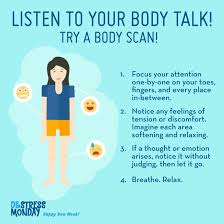
Our bodies sometimes pick up changes in our emotional wellbeing way before we are even aware of it. Hence, I make it a point to do a ‘body scan’ when I lie in bed at the end of each day. ‘Scanning’ my body from head to toe for any tension/tight sensations or anything that feels unnatural. I have learned over the years by doing the body scan that my jaw becomes shut tight and I bite on my teeth really hard sometimes without realising it. But once I do pay attention to my body, I now have the chance to reflect on my day and understand how and why I was feeling a certain way. By becoming aware of the tightness in my jaw, I would then also have the opportunity to intentionally try and relax my body. When I release the tension in my jaw, I often feel an instant change in my levels of stress. My stress is still there but it is not as intense.

If you are reading this, I encourage you to spend some time paying attention to your body on a daily basis. You will be surprised at how much you will learn from understanding the connections between your physical sensations and your emotional state.

Lastly, I encourage you to not be afraid of intense and uncomfortable feelings such as anger, anxiety, fear, disappointment and sadness. Sit with it. Feel it. Allow your body to go through what it needs to go through to calm itself down.

Further reading

You may find the following articles useful to begin your journey in learning how to sit with unpleasant feelings:

Our Blog Author
This post was written by Dr Aiyuen (Shannon) Choong, formerly a Psychologist at Your Mind Matters. Support with emotional regulation for children, adolescents and adults continues to be part of our services. Meet our team.

Dealing with a life changing diagnosis: Providing support or being a carer

A hallway with a half-open door in the foreground and a person standing further down, out of focus, with one hand against the wall

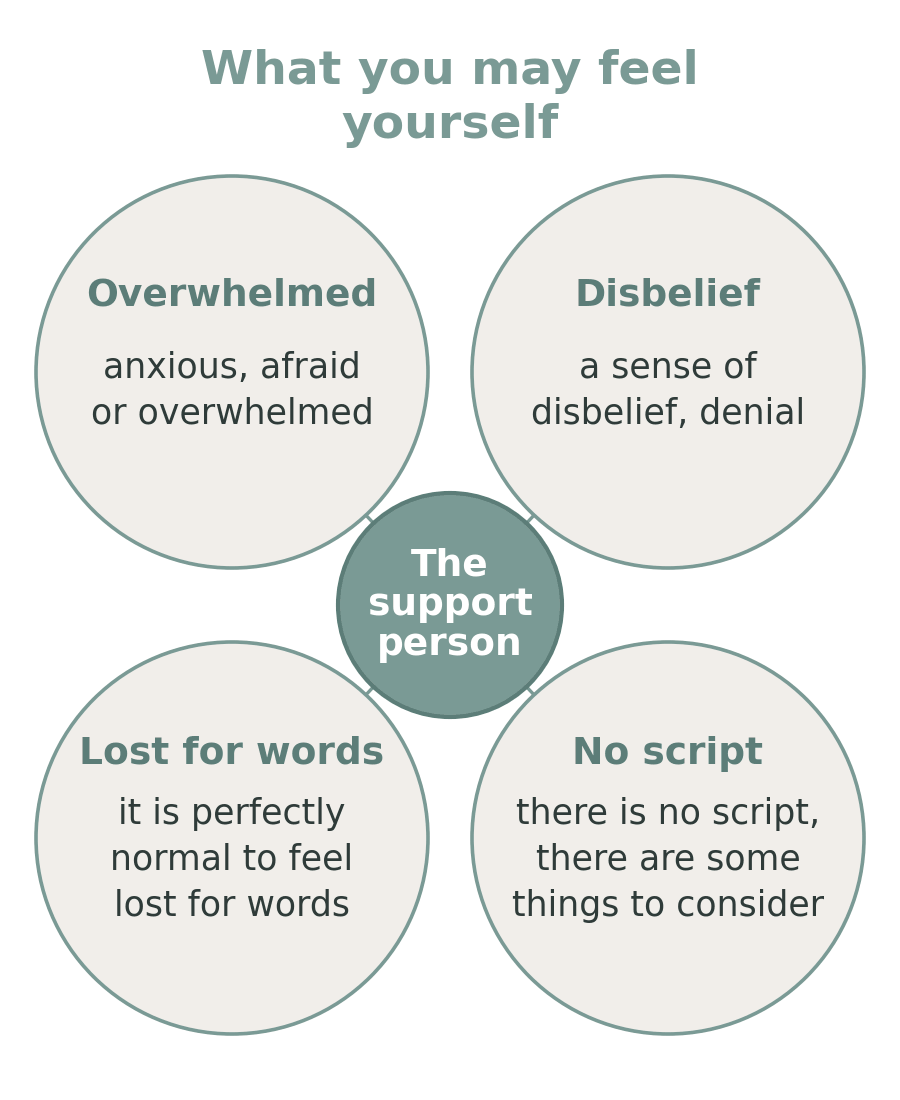
Learning that someone close to you has a potentially life-impacting diagnosis is a difficult experience. You may feel anxious, afraid or overwhelmed by your own emotions and wonder how you can help them during the times ahead. You may experience a sense of disbelief, denial and also a sense of grief. If you take on the role of caring for someone undertaking treatment, you may also need to adjust to new responsibilities and pressures.

Whilst receiving such a diagnosis is devastating, being the family member or friend providing support is also extremely taxing and confronting. You might want to talk to them about it, but struggle to find the right words or worry about saying the wrong thing. You are also likely to be struggling, however feeling the need to hide these feelings for fear of burdening others. It is perfectly normal to feel lost for words, regardless of how close you are to the person. Your responses would very much depend on your relationship and your personal experiences and whilst there is no script, there are some things that would be worthwhile considering.

Two panels side by side comparing what is not helpful with positivity and hope as a coping strategy

Everyone’s experiences are unique and even if you have faced significant obstacles in the past, it is not possible to fully grasp what the person is going through. So being empathic and assisting the person in exploring the facets of their own experience is one of the most essential things to consider.

  • The person may be overwhelmed with a flood of emotions when facing an uncertain future. Even with many supports around them, the person may feel isolated.
  • The person may be in denial, attempting to self-blame or find explanations for what has happened.
  • The person may be dealing with the physical effects of having treatment. Their sense of independence may change and impact on both them and also others.
  • The person may need to reconsider their goals, priorities or financial plans and may be dealing with changes to employment or general functioning.
Four circles around a centre labelled the support person: overwhelmed, disbelief, lost for words and no script

There are many ways to provide support and these will vary depending on your relationship, your own situation and also your own ability to cope with the situation. Some avenues of support may include:

Simply checking in with the person on a regular basis and really tuning in to their responses. Take the time to really listen and respond. Often, people are not after advice but need an attentive and caring listener. If the person wants to confide about what they are going through, give them time to speak, be genuine and try not to probe or interrupt.

Keeping normality is vitally important. Continue inviting the person to the usual social events and involving them as much as possible. Always provide the option of declining or even last-minute cancellations without judgment. Try not to alter your interaction style or physical behaviours. Jokes and hugs, if they were the previous norm, continue to be valuable. It’s also good to talk about other everyday things too as distraction is vitally important.

Practical help, especially specific rather than vague offers of help may also be well received. Preparing a meal, helping out with cleaning and offers to be a support person at appointments are all things to consider especially for a person who may have difficulty asking for help.

Whilst providing false expectations and drawing comparisons to previous cases is not helpful, positivity and hope can be a coping strategy that aids adjustment and adaptation. A positive frame of mind can make a person feel a sense of optimism and confidence and improve resilience. As a support person, the role is not to obstruct the gravity of the situation, but to support the person to gradually adjust to the diagnosis, let go of what was or what might have been, and accept what is.

Whilst striving to provide all of the above supports, one is often confronted with their own sense of grief, fear and hopelessness. Feeling like everything has changed and may never get back to normal can evoke feelings of anticipatory grief, which is a feeling of uncertainty and fear about what the future holds. This breaks our own sense of safety. Being a support person, in any context, but especially when dealing with a significant illness, is a distressing and emotionally draining role.

Family and friends are a great resource for support, but sometimes things can seem so overwhelming even for them, especially if they are dealing with similar emotions. In those cases, seeking professional advice and support from a trained psychologist can assist people and their families to work through their feelings.

If you or someone you know are going through difficulties and need support, why not give us a call today? Our team of highly skilled and well-experienced psychologists are here to help.

References

Bruce, J. and Pelosi, E. (2017). Caring for Someone with Cancer. Cancer Council.

Heuberk, E. (2007). 6 Ways to Conquer a Scary Diagnosis. WebMD.

Lana Lubomirska wearing glasses, in a portrait photograph

Our Blog Author
This post was written by Lana Lubomirska, Senior Psychologist at Your Mind Matters. Lana works with children, adolescents and adults from a range of cultural and socioeconomic backgrounds, and is committed to providing a client-centred, safe environment for every individual. Meet our team.

Book an appointment

Maintaining emotional wellbeing during the COVID-19 pandemic

This post was published on 14 April 2020, during the first COVID-19 lockdown in Victoria. It is kept here as it was written. The restrictions described are no longer in place, and some of the apps mentioned are no longer available. Telehealth appointments continue to be part of our services.

2020 sure hasn’t turned out like we envisioned. What started as a regular year, soon turned into something very different. During the COVID-19 pandemic we have all been faced with uncertainty and a level of fear and anxiety. Coupled with that are the frequently changing guidelines and rules we have been asked to adhere to and this can easily lead to feeling overwhelmed. Life as we know it has changed, and what we deemed as “normal” is no longer relevant, well for the short term that is! We are all in uncharted territory. As a community, we know that we must remain home, to reduce the curve but with that comes a lot of change and adjustment.

Tips to help with maintaining emotional wellbeing whilst in isolation

  • Stay socially connected. This is most fundamental! Whilst social distancing inhibits us from seeing friends and family, that doesn’t mean we need to disconnect from our supports. Stay connected to family and friends through regular telephone conversations, text messaging, social media or video chat. My personal preference is video chat, as you can see the person and it helps to form that personal connection. There are lots of group video chat platforms and apps that are free to download, e.g. Zoom, Skype, Houseparty. Why not schedule in a coffee catchup with mates online or play online games together? I was recently introduced to the Houseparty app which I found was a great way to chat to several friends at once and we could play in-built games together through the app which included trivia and the app’s own version of Pictionary. It was great fun!
  • Establish a daily routine. Routines are beneficial as they provide structure, aid us to be more productive and efficient, encourage good habits and reduce stress. Although your regular routine may not be applicable to the current situation, establishing a new routine or maintaining a form of your usual routine is still important. Allowing yourself to fall out of routine can lead to increased distress and feelings of disempowerment. Sticking to a routine such as a regular bedtime and awakening time, scheduling in time for work and study as well as planning enjoyable activities to look forward to each day, regular exercise, and opportunities to relax, can help to increase your sense of control.
  • Exercise. Exercise is a natural way to reduce stress and is great for physical and emotional wellbeing! Try and get outdoors for a walk, jog, run or bike ride (remembering to adhere to social distancing regulations). Ask other members in your household to join you or take the kids for a bike ride or scooter ride. If you have some exercise equipment at home, try to schedule in time each day for a workout. There are lots of apps available, online resources, and YouTube exercise clips you can access. For those with an existing gym membership, your gym may be offering online sessions. Why not make the most of your membership and give it a go?
  • Relaxation. Set aside time each day to engage in a relaxing activity like a nice bath, reading or a jigsaw. You may wish to try mindfulness meditation (the Smiling Mind app is free and has lots of guided meditations to choose from), some gentle stretching, or calm breathing. For more ideas on various relaxation strategies, see my post on incorporating relaxation into everyday life.
  • Focus on what is within your control. Let’s face it, there is so much that is outside of our control at the moment. No, we cannot control the COVID-19 pandemic, the regulations the government has put in place and is enforcing, the impact the pandemic has had on the economy, employment rate, the way we live our lives — the list goes on. I can’t stress how vital it is to focus on what is within your control, what you can do and the choices you can make. Concentrate on how you can look after yourself and others in your household, who you can connect with and offer support to (this could include family, friends or the community), and things you can do right now, in the moment, that help to enhance your life or that of others.
  • Make it fun. Although there are likely other things you’d prefer to be doing, rather than staying at home all day, take the opportunity to make your time at home fun. Some ideas include:
    • Setting up a tent in the backyard and making a bonfire — you can even roast some marshmallows!
    • Scavenger hunt
    • Games night (board games, cards, video games and so on)
    • Indoor picnic
    • Movie marathon
    • Art and craft activities
  • Manage your exposure to news and media coverage. There is heaps of information out there about COVID-19 and news coverage on every channel. Every time you turn on the TV, radio station, or scroll through social media, you’re likely to come across some form of information about COVID-19 and this can be overwhelming. Stick to reputable sources which can provide you with accurate information.

I hope these tips are helpful in guiding you through this challenging time. Stay safe and healthy. I know it doesn’t seem like it right now, but as the Buddhist proverb says, “this too shall pass”.

If you would like some support, our team of psychologists are here to help. Your Mind Matters Psychology Services offers counselling support through telehealth as well as in person. Call us on (03) 9802 4654, book an appointment online, or read more about telehealth appointments at Your Mind Matters.

Maria Kampantais seated and smiling

Our Blog Author
This post was written by Maria Kampantais, Senior Clinical Psychologist at Your Mind Matters. Maria has a particular interest in working with clients experiencing anxiety disorders and past trauma. Meet our team.

📅 Book an Appointment