📅 Book an Appointment

A brief overview of trauma and Posttraumatic Stress Disorder

Photo by Susan Wilkinson on Unsplash


What is trauma?

Trauma refers to the emotional response experienced following exposure to a distressing life event or situation. It can result from direct or indirect exposure, i.e., we have experienced the situation first hand, witnessed it, or heard that the event occurred to someone we know. Traumatic experiences may include a serious accident, physical or sexual assault (actual or threatened), sudden violent death, natural disaster, and war.


Common responses to trauma

When we are exposed to a threatening situation, it infringes on our sense of safety and security, leading to a level of psychological distress and belief that our environment is no longer safe. Emotional responses can vary from person to person, but typically include feelings of fear, anxiety, helplessness, hopelessness and impacts to self-esteem.


Posttraumatic stress disorder

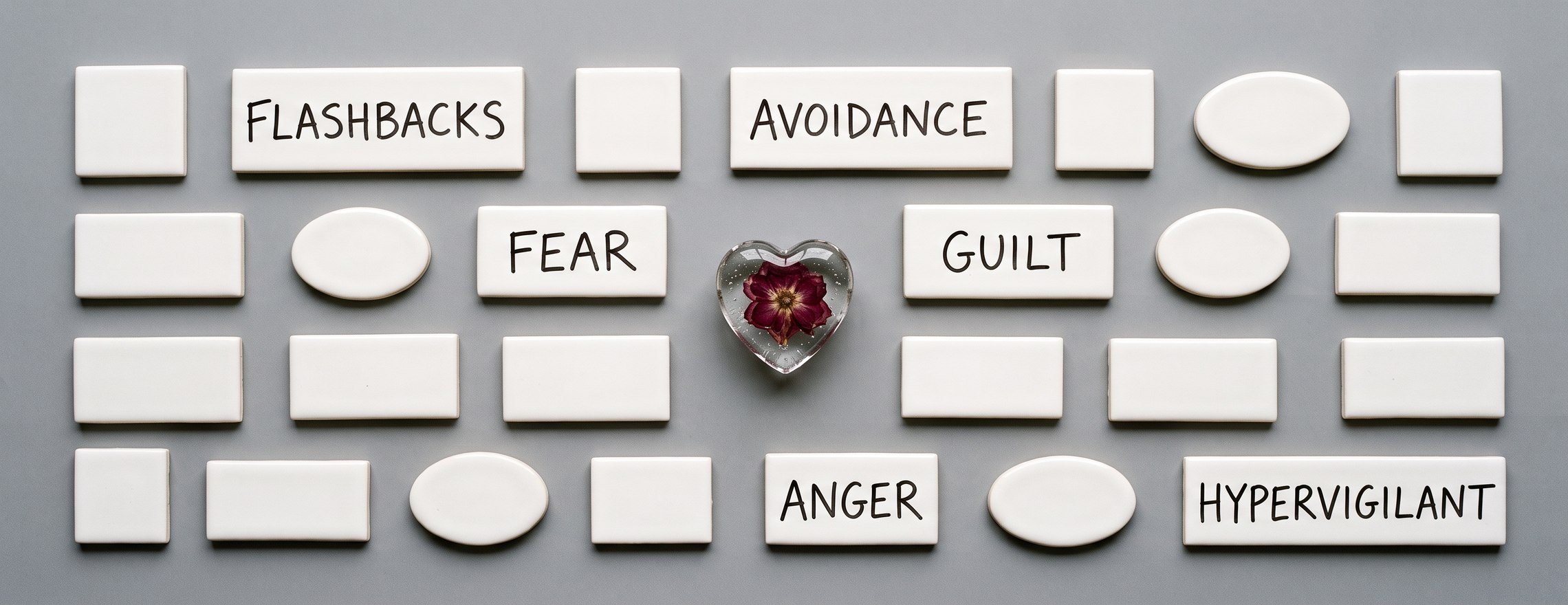
Psychological distress is a common experience following exposure to a traumatic event however for some individuals the impact of trauma can be long lasting and lead to the development of a trauma-related disorder, such as posttraumatic stress disorder (PTSD). Symptoms of PTSD include:

  • Recurring distressing memories and dreams of the event
  • Feeling as though the distressing event was happening again (flashbacks)
  • Avoidance of situations that remind you of the event
  • Difficulty remembering important aspects of the event
  • Negative beliefs about self and others
  • Persistent fear, anxiety, guilt or anger
  • Feeling detached from others
  • Loss of interest in enjoyable activities
  • Feeling hypervigilant and easily startled
  • Reduced concentration
  • Impacts to sleep patterns


Please note, this is not an exhaustive list of symptoms, but provides a snapshot of some of the impacts of PTSD. Diagnosis is based on many factors and not solely on experiencing the above symptoms.


Does exposure to trauma result in PTSD?

The experience of trauma may lead to the development of PTSD however, this is not always the case. Development of a trauma-related disorder, such as PTSD, is influenced by more than just exposure to a traumatic event. As individuals, we all have different ways of coping, which is related to our personality and past personal experiences. Often, exposure to trauma can severely rattle our perception of self and can impact on our sense of self-worth and self-esteem. Other factors to consider include the nature and severity of the event. In addition, the way in which the incident is interpreted and understood immediately following the trauma, and the way in which we store the incident in our memory, can play an integral role.


How trauma memories are stored

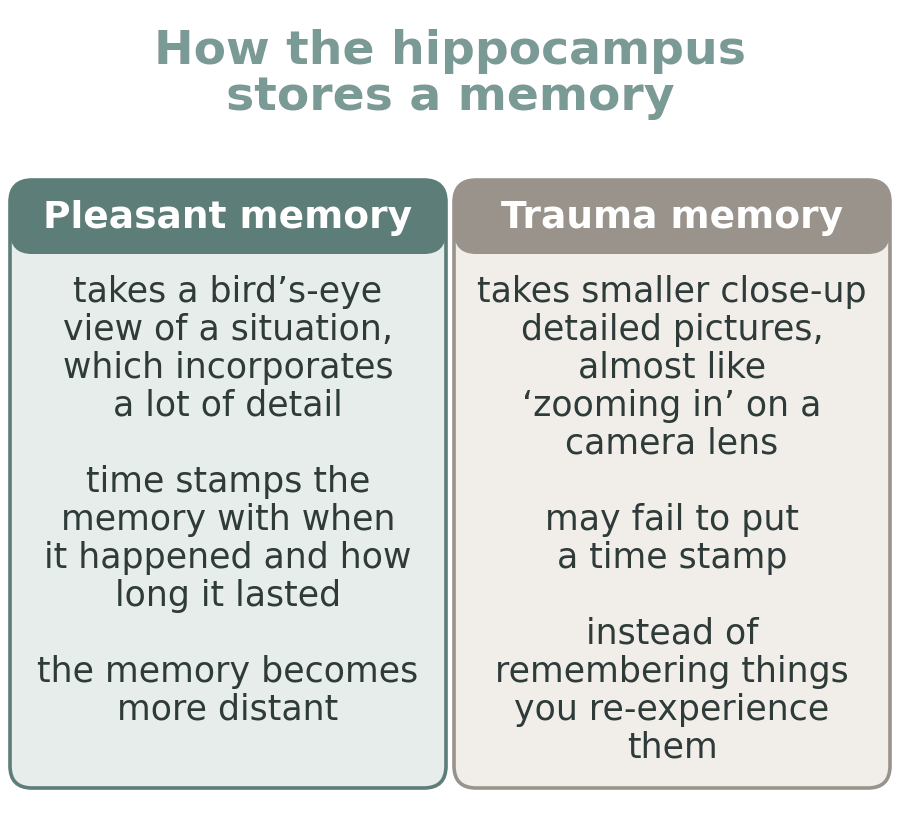
The hippocampus is the part of the brain that stores memories. It encodes memories and takes a bird’s-eye view of a situation, which incorporates a lot of detail. When you remember something, you don’t recall it exactly the way it was encoded. Every time you remember something, you are re-creating it every single time. Your hippocampus time stamps the memory with when it happened and how long it lasted. And as you move further into the future, the memory becomes more distant. This relates to a good/pleasant memory.


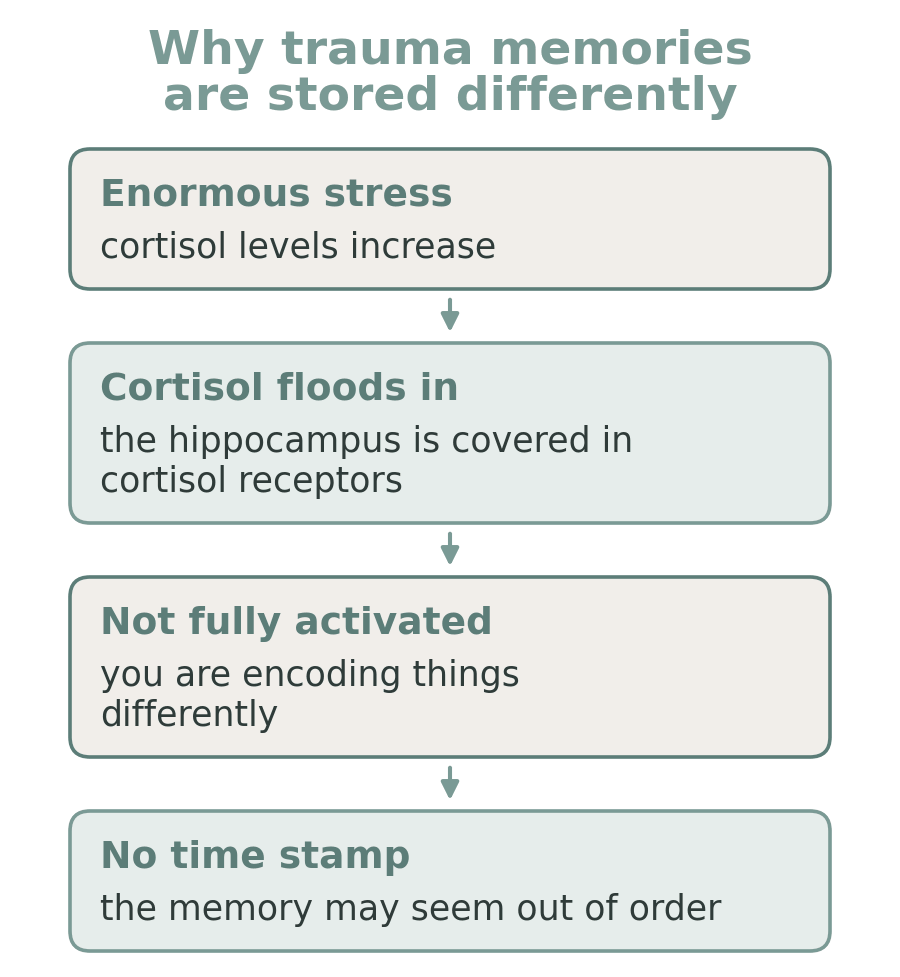
When you are in a threatening situation, the way in which memories are encoded and stored becomes impacted. When faced with a traumatic event, you are under enormous stress and your cortisol levels increase, which means that the hippocampus cannot function in the same way it does when you are not stressed. The hippocampus is covered in cortisol receptors and when you are stressed, the cortisol floods into the hippocampus. This means that the hippocampus is not fully activated when you are encoding this memory. You are therefore encoding things differently to what you would otherwise. It changes how you remember things and how you recall them later. In stressful situations, the hippocampus does not take a bird’s-eye view of the situation, rather, it takes smaller close-up detailed pictures, almost like ‘zooming in’ on a camera lens. This happens because the brain starts to focus on pieces of information it perceives as important, in that situation. Therefore, the information that gets encoded is the close-up pieces. Another thing to note is that when faced with a traumatic situation, the hippocampus may fail to put a time stamp which tells you how long something lasted. The memory may seem out of order and all over the place because of the way it was encoded. If your hippocampus didn’t time stamp, then instead of remembering things you re-experience them, and therefore every time you think of that situation, you feel as though it is happening again. Thus, trauma memories do not age appropriately.


Treatment

Psychological therapy can help to manage symptoms following exposure to trauma. This includes, but is not limited to, building emotion regulation skills, relaxation strategies, shifting negative beliefs, increasing self-esteem, and reprocessing trauma memories.


If you are seeking support following exposure to a traumatic incident, our team of psychologists are here to help. Feel free to give our clinic a call on 9802 4654 and our friendly admin team can assist by recommending the best practitioner for your care.


References

Kessler, R. C. (1995). Posttraumatic Stress Disorder in the National Comorbidity Survey. Archives of General Psychiatry, 52(12), 1048.

Nijdam, M. J., & Wittmann, L. (2015). Psychological and Social Theories of PTSD. Evidence Based Treatments for Trauma-Related Psychological Disorders, 41–  61. doi:10.1007/978-3-319-07109-1_3

Sweeton, J. EMDR skills for trauma. Training workshop (completed Nov 2021).

Yehuda, R. (2004). Risk and resilience in posttraumatic stress disorder. Journal of Clinical Psychiatry, 65, 29-36.

[siteorigin_widget class=”SiteOrigin_Widget_Headline_Widget”][/siteorigin_widget]
[siteorigin_widget class=”WP_Widget_Media_Image”][/siteorigin_widget]

This blog was written by Maria Kampantais – Psychologist and Clinical Registrar at YMM.

Maria has been consulting at YMM for many years and enjoys working with clients through the use of evidence-based therapies such as Cognitive Behavioural Therapy (CBT), Acceptance and Commitment Therapy (ACT), mindfulness techniques, Motivational Interviewing (MI), and Solution Focused Therapy (SFT).

To learn more about Maria, check out the “Our Team” page on our website! https://yourmindmatters.net.au/our-team/


Major Depression – More Than Just Feeling Blue

Photo by Jack Lucas Smith on Unsplash


Nowadays, people may use the word depression to colloquially describe several different feelings. These may include sadness, feeling down or upset, lethargy, or even a loss of motivation or care. Unsurprisingly, many people make these complaints, as the literature suggests that 20% of people experience some period of significant low mood at some point in their life, whether that be once in their life, sporadically or regularly.


What is Depression?

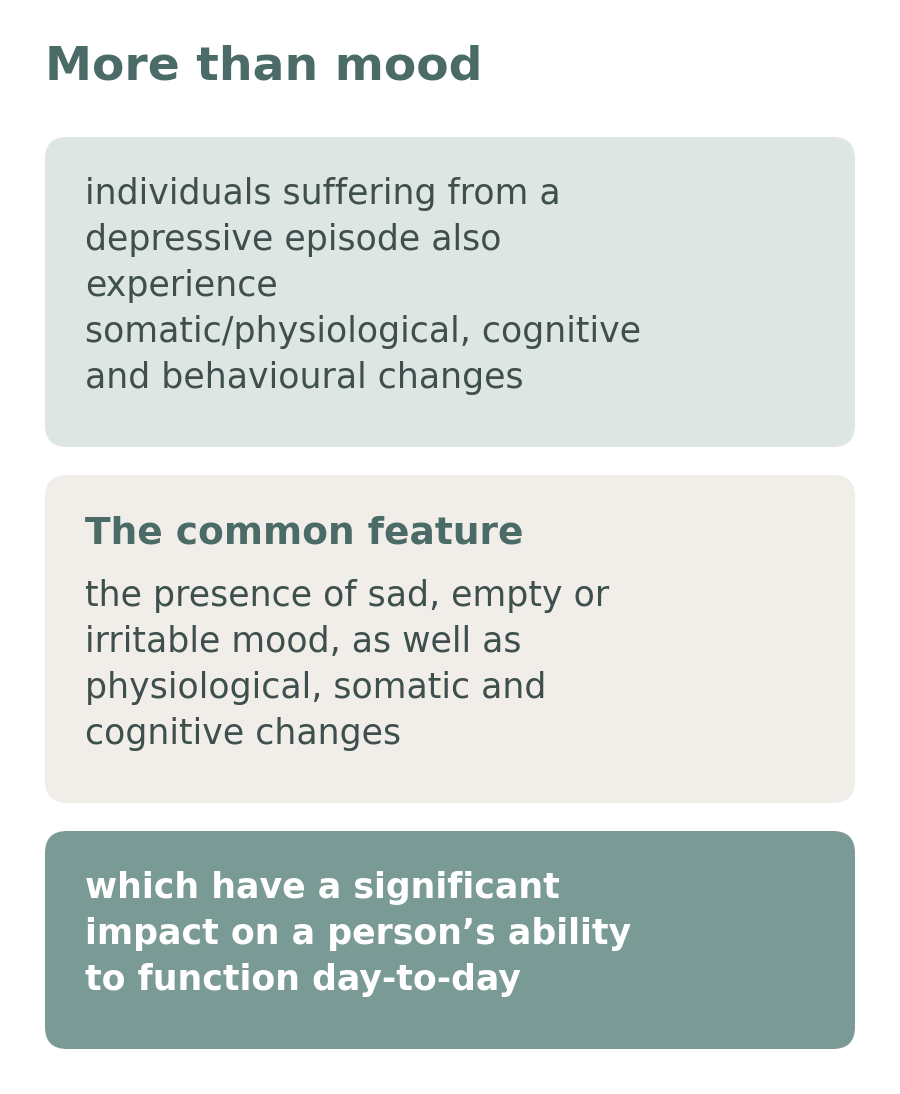
In a clinical setting, the term depression can refer to several different disorders, some of which may sound more familiar than others – e.g., Major Depressive Disorder (aka. Major Depressive Episode), Persistent Depressive Disorder (aka. Dysthymia) or Premenstrual Dysphoric Disorder (PMDD). The common feature of all the disorders within this group include the presence of sad, empty or irritable mood, as well as physiological, somatic and cognitive changes, which have a significant impact on a person’s ability to function day-to-day.


This blog will take a closer look into Major Depressive Disorder and the symptoms that we may not have been aware of that were indicators of disordered mood.


Factors that Contribute to Depression

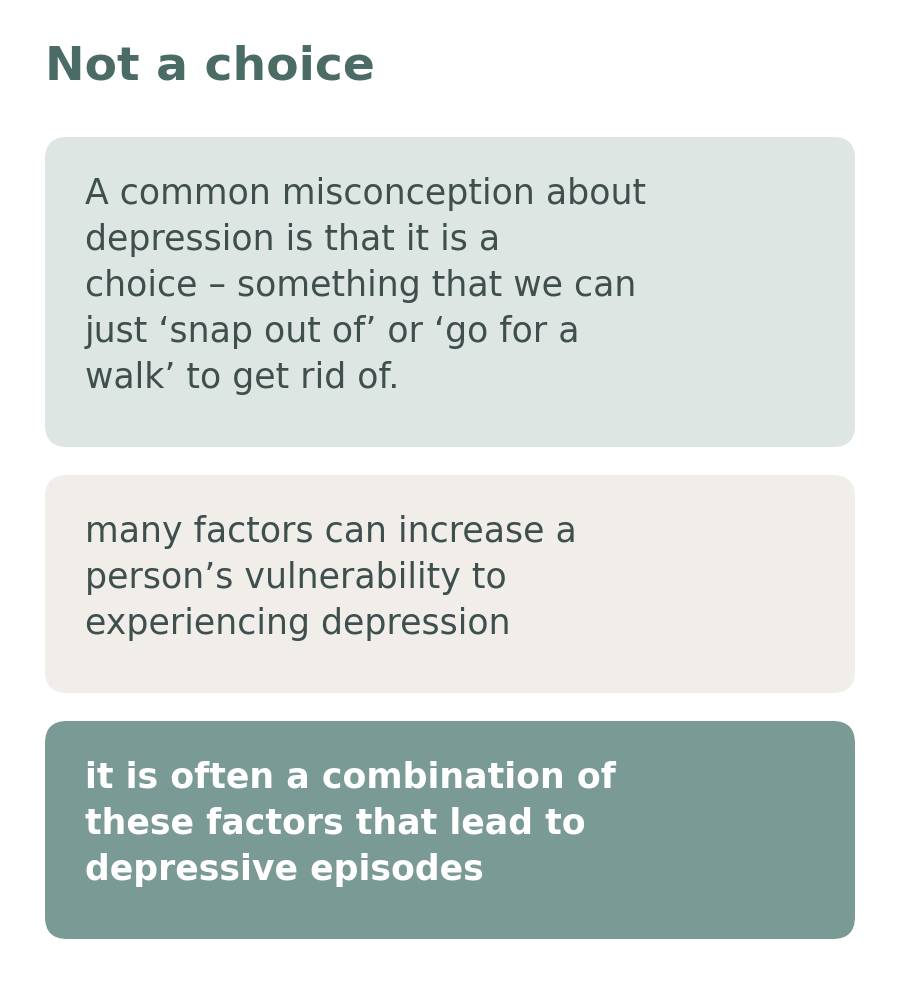
A common misconception about depression is that it is a choice – something that we can just ‘snap out of’ or ‘go for a walk’ to get rid of. However, many factors can increase a person’s vulnerability to experiencing depression, and it is often a combination of these factors that lead to depressive episodes.

Biological Factors:

  • Genetics: Some people may inherit genes that predispose them to experience low mood and increase their vulnerability to depression.
  • Hormones: The literature indicates that our brain undergoes changes throughout depressive episodes, which can lead to over- or under-production of certain hormones, accounting for some of the depressive symptoms.
  • Neurotransmitters: Neurotransmitters are how our brain cells communicate with one another to regulate and control our whole body – including sleep, appetite, mood, libido etc. Research indicates that throughout a depressive episode there are reduced neurotransmitters, leading to dysregulation of normal functioning.

Psychological Factors

  • Thinking: Throughout a depressive episode our way of thinking and perceiving information tends to change. We adopt a more negative pattern of thinking – overstressing the negatives, self-blame, ruminating on past events and having difficulty perceiving hope for the future.
  • Stressors: Significant events such as bereavement, separation, a break-up, loss of a job/promotion, failure to obtain a goal, interpersonal conflict, health concerns, financial strains etc. can all contribute to, perpetuate or increase depressive symptoms.


Symptoms of Depression

Given the name, many people are aware of the mood changes that are associated with depression, however, given the biological and psychological factors at play, individuals suffering from a depressive episode also experience somatic/physiological, cognitive and behavioural changes.

Somatic/Physiological Symptoms:

  • Disturbed Sleep: Depression can impact our sleeping patterns in many ways. Whether that be in difficulty falling asleep, frequently waking up throughout the night or earlier than intended or even overly sleeping and having difficulty staying awake.
  • Weight Changes: Individuals may find that they are unintentionally losing or gaining weight due to fluctuations in their appetite – eating or snacking more, or loss of interest in food.
  • Energy: People often complain of feeling constantly fatigued or lethargic, regardless of the amount of sleep or rest they are getting. People around them may also begin to point out that they are increasingly agitated or restless or more slowed down.

Cognitive Symptoms:

  • Negativity and Pessimism: Depressed individuals often perceive themselves and their choices in a negative light – often viewing themselves as ineffective, worthless or unlikeable or loveable – which impacts their self-esteem and can lead to excessive guilt.
  • Recurrent thoughts of Death: A common and distressing symptom of depression is recurrent thoughts of death. This can range from suicidal ideation such as “it’d be less of a burden if I wasn’t here” to a specific plan for committing suicide.

Behavioural Symptoms:

  • Withdrawn: The cognitive changes experienced throughout a depressive episode can lead to people being more withdrawn or isolating themselves due to beliefs that they are “stupid”, “dumb”, “broken”, “a burden”
  • Diminished Enjoyment: Individuals may find themselves losing interest or pleasure in all, or almost all, daily activities and usual hobbies nearly every day.


If you or anyone around you has experienced these symptoms, know that you are not alone. There are several services available to support you, including crisis lines, a GP, a school counsellor, or an Employment Assistance Program (EAP) through your workplace. To engage with one of our friendly psychologists at Your Mind Matters Psychology, feel free to reach out to our admin team for further information on 9802 4654.


Resources:

https://www.beyondblue.org.au/


Crisis Lines:

Beyond Blue: 1300 22 46 36

Suicide Call Back Service: 1300 659 467

Lifeline Text: 0477 13 11 14

[siteorigin_widget class=”SiteOrigin_Widget_Headline_Widget”][/siteorigin_widget]
[siteorigin_widget class=”WP_Widget_Media_Image”][/siteorigin_widget]

This blog was written by Simone Chaochalakorn – Psychologist at YMM.

Simone has experience working in a variety of contexts, including working with young children in primary schools, as well as adolescents in clinics. Alongside this, Simone has also assisted adults and seniors with concerns such as work-related stress, relationship difficulties, anxiety and low mood. Simone uses a client-centered approach, in which she strives to understand each individual and their unique problem, in order to find the most effective strategies to help them.

To learn more about Simone, check out the “Our Team” page on our website! https://yourmindmatters.net.au/our-team/


Burnout: Is that what you’ve been feeling and what to do about it?

Photo by Sydney Sims on Unsplash


Have you felt exhausted, overwhelmed, feeling like you hate what you’re doing, not enjoying your family time and like you’ve got nothing left to give?

You could be suffering symptoms of burnout.

The burnout problem?

Burnout is not a new concept and was explored by American psychologist Herbert Freudenberger in the 1970s. He determined burnout to be essentially a byproduct of our desire for high achievement and the extreme stress levels we put ourselves through to meet this goal. Even prior to the global pandemic, World Health Organization (WHO) recognised burnout as a major occupational hazard with a growing number of worker reports of energy depletion, negativity about their work and a reduction in professional efficacy. The changes to the workplace, family demands (remote learning), reduction in social outlets and work life balance impacts during the pandemic, further compounded this, with significant increases in workplace burnout being reported.

What causes burnout?

Whilst most people are generally equipped to handle stressors that they encounter in life and at work, burnout can start to take hold when these stressors become chronic in nature and are not addressed. Burnout is not a badge of honour, however often tends to be perceived as such, especially in high achieving environments. It is worn daily as we rush to meetings, skip meal breaks to complete an extra task, work long hours, forget to take our vacation time as well as accumulating many years’ worth of personal leave, pushing through exhaustion and illness to attend work due to a misguided belief that we’re irreplaceable. It is also worn by parents who undertake too much and chase the perfect image of parenting to please others, rather than slowing down, asking for help and acknowledging struggles.

When in the throes of full-fledged burnout, one is no longer able to function effectively on a personal or professional level. Since burnout doesn’t happen suddenly, but gradually creeps up, the wellbeing decline is often overlooked until it’s too late. Medically, there has been debate about whether burnout is simply a form of depression, due to similarities and overlap between them. The general consensus is, that the difference is in burnout being specific to workplace/family situations, whereas depression can develop in any given circumstances, even in the absence of triggers and stressors.

What does burnout look like?

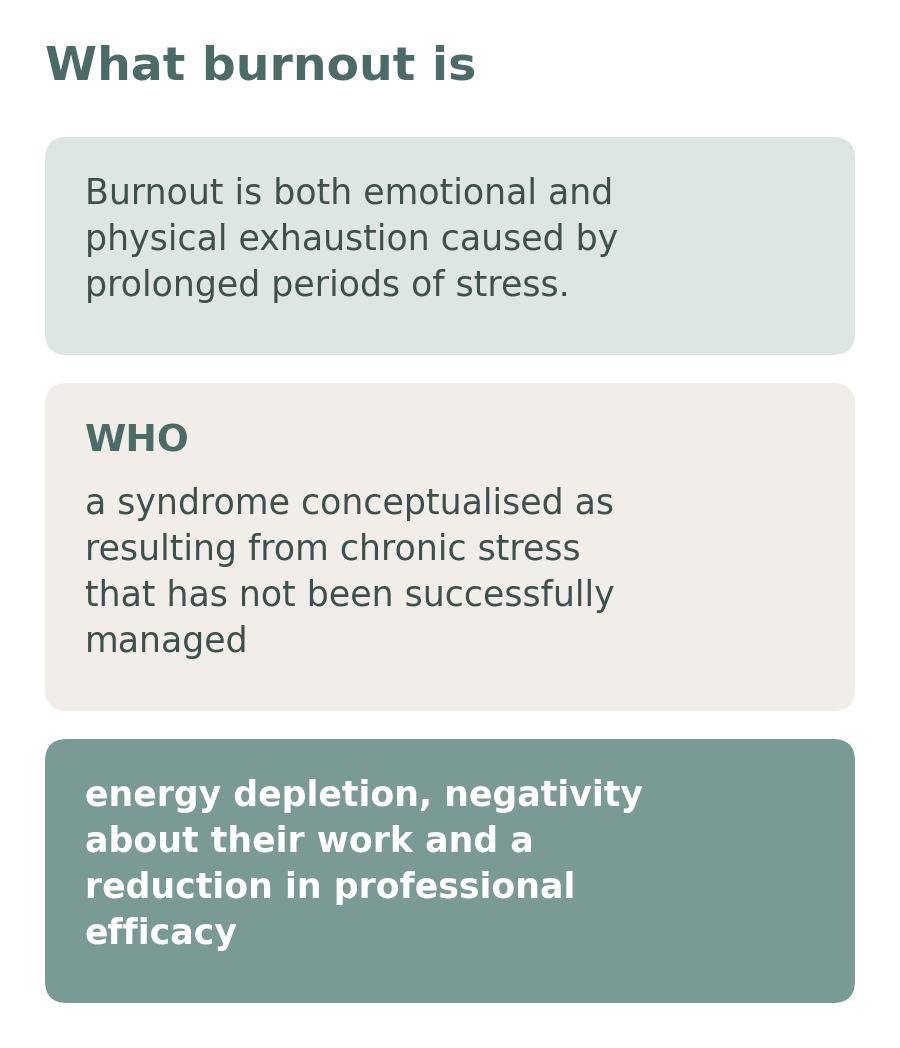
Burnout is both emotional and physical exhaustion caused by prolonged periods of stress. WHO describes it as “a syndrome conceptualized as resulting from chronic stress that has not been successfully managed”.


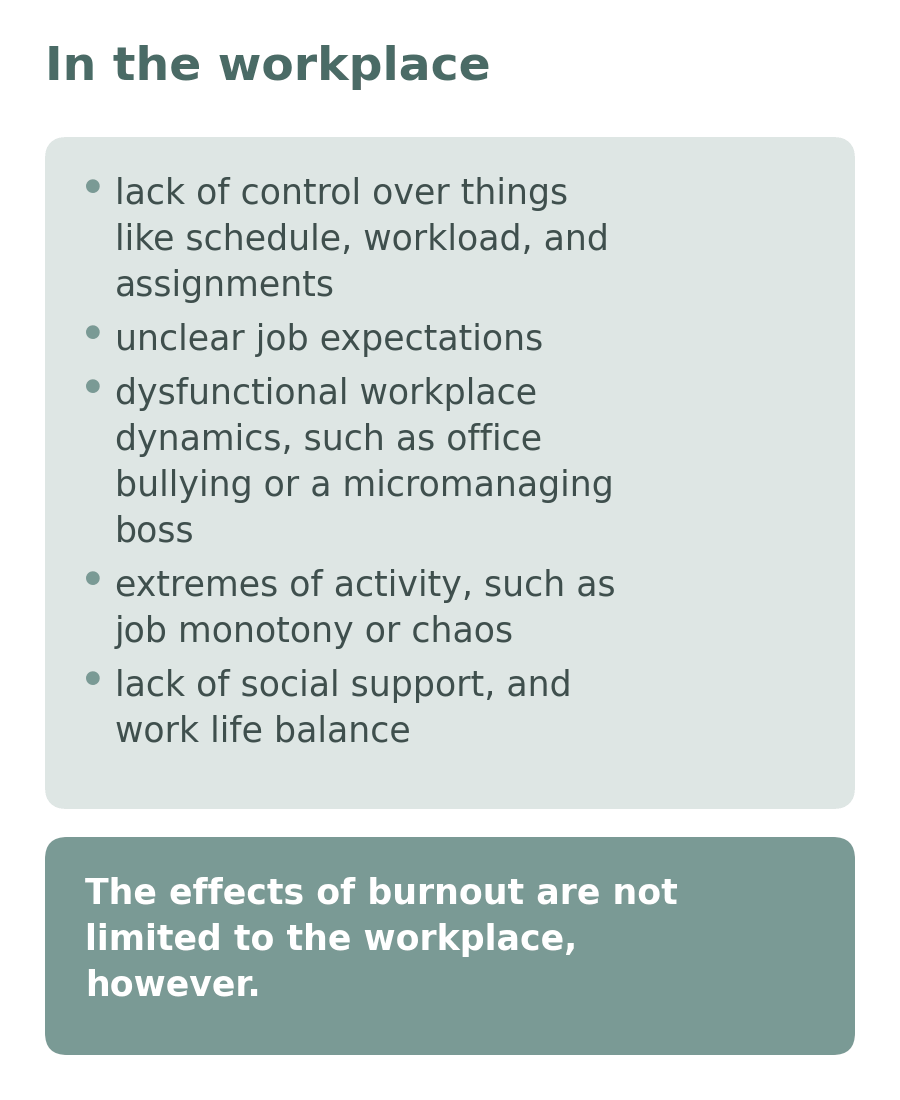
In the workplace, common contributors to burnout include:

  • lack of control over things like schedule, workload, and assignments
  • unclear job expectations
  • dysfunctional workplace dynamics, such as an office bullying or a micromanaging boss
  • extremes of activity, such as job monotony or chaos
  • lack of social support, and work life balance

The effects of burnout are not limited to the workplace, however. It often spills over to effect relationships with family and friends. Research shows that when supervisors are critical of employees who are also mothers, these women tend to be harsher toward their children as well as more withdrawn. Burnout also tends to increase rates of alcohol and substance abuse. Certain professions, such as health care, are particularly prone to burnout.

The vision of a struggling exhausted parent often paints the clearest picture of what burnout looks and feels like in the family context.

For mothers in a 2018 study, burnout resulted in:

  • An underlying current of fear
  • Feeling that they were not good enough
  • Fear of giving up control over things
  • A discontinuity of sense of self.9

Furthermore, burned out mothers:

  • Often did not want to be around their children
  • Developed an aversion to everyday chores
  • Felt like they were working on autopilot
  • Had thoughts of harming themselves or abandoning their children
  • Experienced strong feelings of distress, self-hate, loneliness, shame, and guilt.

Effects of burnout

As burnout and stress have become more common, the long-term effects can lead to significant problems, which are still continuing to emerge. Our bodies react to heightened stress levels by increasing adrenaline and cortisol, raising your blood pressure, and switching your nervous system into heightened awareness. While this response means to protect you in a dangerous situation, prolonged exposure to this response wreaks havoc on your body.

Physically burnout is linked to heightened blood pressure, hair loss, and chronic pain. Other symptoms can include physical exhaustion, headaches, gastrointestinal symptoms, appetite changes, increased susceptibility to common infections, and sleep disruption. Mentally, burnout is experienced as a feeling of mental exhaustion, cynicism, detachment and ineffectiveness, a lack of accomplishment as well as anxiety and depression.

We cannot simply apply intervention strategies to focus on a single context or only address individual symptoms. We cannot “rest” our way out of burnout, but rather need a combined approach to address all the causes of burnout, both visible and underlying.

You don’t wake up one morning and all of the sudden “have burnout.” Its nature is much more insidious, creeping up on us over time like a slow leak, which makes it much harder to recognize. Still, our bodies and minds do give us warnings, and if you know what to look for, you can recognize it before it’s too late.

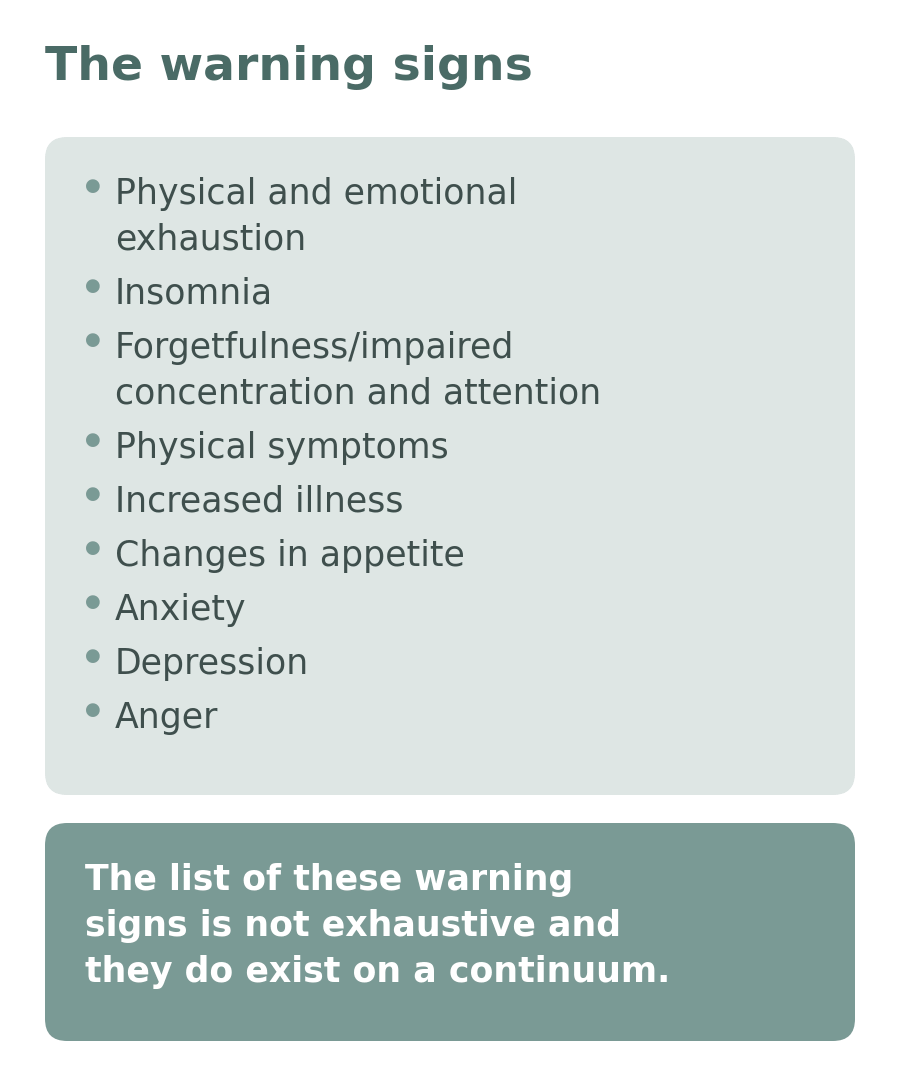
The list of these warning signs is not exhaustive and they do exist on a continuum rather than being clearly defined. So, there is generally no clear transition between general stress and burnout and as such regular self-checking as well as listening to feedback from others is necessary.

Signs of physical and emotional exhaustion:

  • Early on you may feel a depletion of energy, feeling tired most days. As things progress, you feel physically and emotionally exhausted, drained, and you may feel a sense of dread about what lies ahead on any given day.
  • Insomnia. Trouble falling asleep or staying asleep a few times per week can be quite common. Persistent, nightly ordeal of getting to sleep despite severe exhaustion is indicative of the issue progressing
  • Forgetfulness/impaired concentration and attention. We all sometimes forget to do things or fail to focus. The problems may get to the point where you can’t get your work done and everything begins to pile up resulting in added stress.
  • Physical symptoms. Physical manifestations may include chest pain, heart palpitations, shortness of breath, gastrointestinal pain, dizziness, fainting, and/or headaches. Increases in frequency and severity are generally indicative of condition decline.
  • Increased illness. Immune system becomes weakened as the body continues under prolonged stress. This results in increased vulnerability to infections, colds, flu, and other immune-related medical problems.
  • Changes in appetite. When we rush there is a tendency to miss meals or not feel hungry or to develop unhealthy eating habits. This can lead to an eventual loss of appetite, weight loss or gastrointestinal issues
  • Anxiety. Although it will usually start off with mild onset, symptoms of tension, worry and edginess may become so serious that they interfere with your ability to function productively both in the workplace and in personal life.
  • Depression. In the early stages, mildly sad and occasionally hopeless feelings may emerge. They may be followed by feelings of pessimism, apathy, guilt and worthlessness, eventually leading to the feeling of being trapped and severely depressed and believing the world would be better off without you (if you find yourself developing this though patten, please seek immediate assistance).
  • Anger. Will usually present as interpersonal tension and irritability, developing into angry outbursts and serious arguments at home and in the workplace at a later stage. (If anger gets to the point where it turns to thoughts or acts of violence toward family or co-workers, seek immediate professional assistance.)

In the industry, burnout is responsible for billions of dollars in losses both through productivity and compensation claims and countless hours in absenteeism and loss of talent.

So what can we do about burnout?

Dealing with burnout can seem like an impossible task, especially when you’re already feeling so drained and exhausted. You can manage stress and burnout! There are many things you can do both by yourself but also with a bit of help. Your first step is to ACKNOWLEDGE it exists. Sometimes we get very stuck in our routines and we don’t see the effects these have on us. It sets a standard for our normality, and hence becomes less noticeable and more entrenched. So, it’s vital to become aware of its existence.

Here’s a few ideas to help yourself start to feel on track again:

  • Simple things such as talking to those who you feel closest to and admitting how you feel can help lift the weight off. If you are concerned about sharing with those in your social circle, speaking to someone impartial like a GP, psychologist or a mental health worker can really help.
  • Setting boundaries, especially within the work context or where you feel the most stress is coming from. Become accustomed to saying “no” in any context, be it work or social engagements. It is okay to take a time out for yourself or even to take a day off when needed. Especially when working from a home environment, setting boundaries and knowing when to stop work and shut off for the day is important. Make sure you have space in your house where you can escape work and have time to unwind and relax.
  • Take technology breaks! Put away the laptop and phone, ignore the news and social media for a while. Schedule these times if you need to.
  • Bury your head in a good book, listen to a podcast, do a puzzle.
  • Nourish your creative side and start a new fun project or perhaps explore what is something you’ve always wanted to do but never got to.
  • Get those endorphins flowing by doing some exercise! Even a bit of time outside can be of great help.
  • Set aside time just for relaxation. Look up a mediation, take a yoga class, take a walk outside or do some mindful colouring! Try to take at least 15 minutes a day for a mindful activity and give your brain and body time to unwind.
  • Sleep restores and heals your body, helps you function at your best, and is a necessary part of reducing stress. Most adults who get less than eight hours of sleep experience higher stress levels. Some ways you can improve your sleep are:
  • Meditate before bed
  • Reduce screen time before sleeping
  • Try a relaxing bath
  • Read a book
  • Ensure you have enough daylight exposure
  • A longer-term intervention will require exploring changes that can be implemented within your current workplace and routine or considering other vocational options if this is not possible.
  • Within the family sphere, seeking help, collaboratively exploring different ways of doing things and ensuring time is set aside for yourself no matter how busy things get.

If you would like some support with better managing work stresses, why not give us a call today? Our team of highly skilled and well-experienced practitioners are here to help.


References

Fuller, T. The Physical Effects of Stress and Burnout & What To Do About It. February 23, 2021. https://journify.co/blog/2021/2/23/the-physical-effects-of-stress-and-burnout-amp-what-to-do-about-it

Ginger. 2019 workforce attitudes toward behavioral health. Ginger Anuual Report. 2020. Accessed July 30, 2021. https://go.ginger.io/final-report-workforce-behavioral-health-2019

Hubert S, Aujoulat I. Parental burnout: when exhausted mothers open up. Front Psychol. 2018;9:1021

Psychology Today. The Tell Tale Signs of Burnout … Do You Have Them?. November 26, 2013. https://www.psychologytoday.com/au/blog/high-octane-women/201311/the-tell-tale-signs-burnout-do-you-have-them

Queen D, Harding K. Societal pandemic burnout: a COVID legacy. Int Wound J. 2020;17(4):873-874.

Threlkeld K. Employee burnout report: COVID-19’s impact and 3 strategies to curb it. Indeed. March 11, 2021. Accessed July 30, 2021. https://www.indeed.com/lead/preventing-employee-burnout-report

World Health Organization. Burn-out an “occupational phenomenon”: International Classification of Diseases. May 28, 2019. Accessed July 30, 2021. https://www.who.int/news/item/28-05-2019-burn-out-an-occupational-phenomenon-international-classification-of-diseases

[siteorigin_widget class=”SiteOrigin_Widget_Headline_Widget”][/siteorigin_widget]
[siteorigin_widget class=”WP_Widget_Media_Image”][/siteorigin_widget]

This blog was written by Lana Lubomirska – Psychologist at YMM.

Lana has experience working with children, adolescents and adults from different cultural and socioeconomic backgrounds. She is committed to providing a client-centred safe environment for every individual and assisting clients along their journey. Lana uses a variety of evidence-based therapies to support clients in addressing difficulties with anxiety, depression, relationship issues, friendship problems and educational stresses.

To learn more about Lana, check out the “Our Team” page on our website! https://yourmindmatters.net.au/our-team/


What is Coercive Control?

Photo by Nadine Shaabana on Unsplash


The term Coercive control has increasingly been in the media in recent months as policymakers respond to increasing calls to make this phenomenon illegal across Australia (1). Much of this push emerges from increased awareness and understanding of how family violence is experienced by partners of abusers following many years of public debate led by dedicated campaigners and support organisations, for example the 2015 Australian of the year, Rosie Batty (2), and 1800 Respect (3).


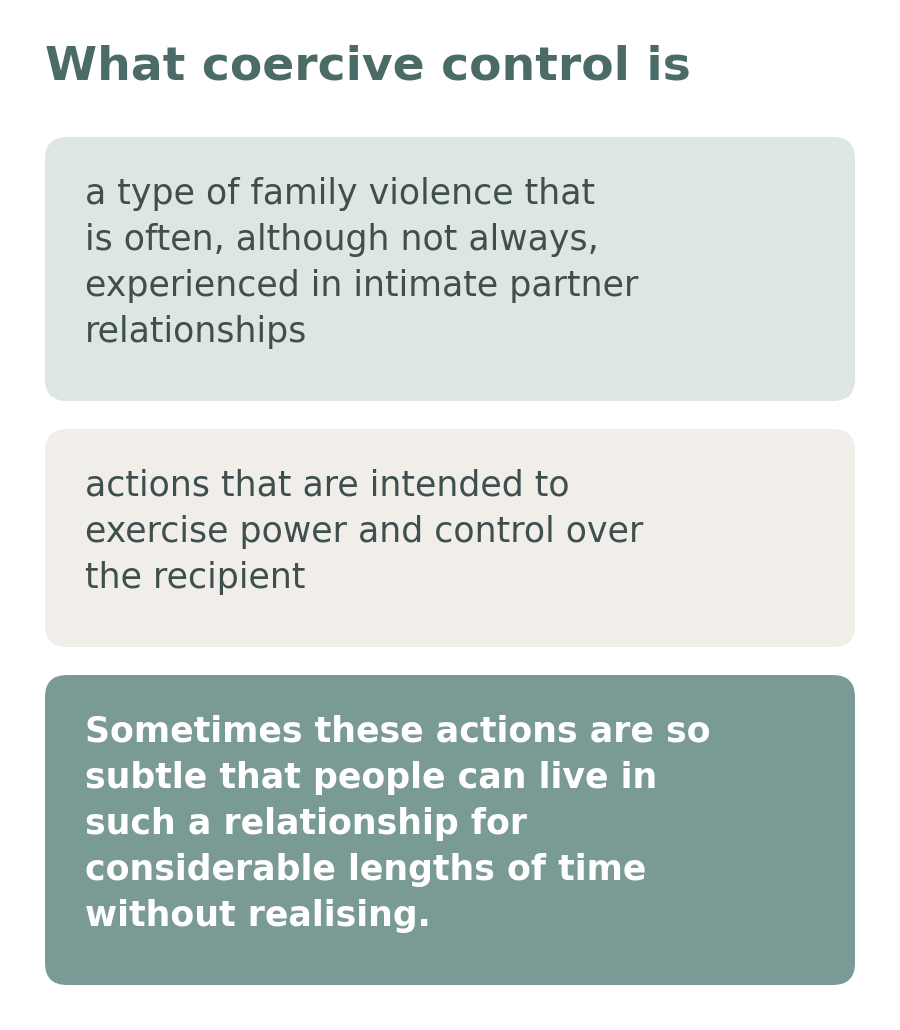
Coercive control can be considered a type of family violence that is often, although not always, experienced in intimate partner relationships. It can be harder to recognise than other forms of family violence and typically consists of actions that are intended to exercise power and control over the recipient. Sometimes these actions are so subtle that people can live in such a relationship for considerable lengths of time without realising the extent of the control they are experiencing.


Here are some of the ways in which coercive control might show up in a relationship:


  1. Financial Control: limiting access to money which can include having to make requests to the abuser for resources; having no access to financial information; having an “allowance” or strict limits on expenditure. This can leave the affected person with limited resources to help them to leave the situation.
  2. Social Control / Jealousy: Isolating from access to friends and family by pressuring or threatening them to avoid social contact or situations where the affected person might talk with others about their situation. This can include accusations of having affairs or preferring the company of others to the abuser.
  3. Degradation / Controlling the body: Using humiliating language and criticism to erode the affected person’s self-esteem and increase reliance on the abuser. This might also emerge as putting the affected person down in front of others, passing it off as “a joke” if challenged. It can also present as pressuring the affected person to look or dress a certain way.
  4. Monitoring: This can include things like interrogation on returning home about where they have been as well as more sophisticated forms of technology facilitated stalking and abuse. This can include monitoring social media, installing monitoring software on phones, and hacking into emails. More information on e-safety can be found at: https://www.esafety.gov.au where you can access a helpful e-safety check quiz to determine your personal level of risk of being monitored without your knowledge (4).
  5. Control of religion / Cultural beliefs – This can take the form of restricting the affected person’s freedom to pursue their religious or cultural beliefs and practices or could be the imposition of religious or cultural expectations which are unwanted or not shared.


This brief outline highlights just some of the ways in which coercive control can be experienced as an attack on autonomy, equality, and freedoms. However, this form of abusive and controlling behaviour can change over time and be influenced by events such as pregnancy and the birth of children, family problems, and financial stress, making patterns even more difficult to identify.


Labels can be highly intimidating, and it can be difficult to recognise patterns of coercive control that may have existed over long periods of time and to consider yourself as a victim or your partner as a perpetrator. However, a 2020 survey of Australian women conducted by the Australian Institute for Criminology (5) found that coercive control is “a very common feature of women who experience any form of violence or abuse within their relationships”.


If you are a professional working in, or seeking to work in this area, or are otherwise interested in learning more, this webinar hosted by the Australian Institute of Family Studies in January 2022 will expand on some of the ideas presented here: https://aifs.gov.au/webinars/power-understanding-patterns-coercive-control.


If you feel that you are currently experiencing coercive control in your life, help is available. A good place to start is by calling 1800 Respect on: 1800 737 732 who can inform you of support services in your local area.


  1. https://www.msn.com/en-au/news/australia/work-on-national-approach-to-coercive-control-to-begin-at-attorneys-general-meeting-in-melbourne/ar-AA10z6aQ
  2. https://en.wikipedia.org/wiki/Rosie_Batty
  3. https://www.1800respect.org.au/violence-and-abuse/domestic-and-family-violence
  4. https://www.esafety.gov.au/key-issues/domestic-family-violence/online-safety-planning/technology-checkup-quiz
  5. https://www.aic.gov.au/publications/sb/sb30

[siteorigin_widget class=”SiteOrigin_Widget_Headline_Widget”][/siteorigin_widget]
[siteorigin_widget class=”WP_Widget_Media_Image”][/siteorigin_widget]

This blog was written by Ian Clark – Clinical Psychologist at YMM.

Ian is a Clinical Psychologist with over 10 years experience in private practice. He enjoys working with adolescents and adults presenting with a range of difficulties, including mood disorders, anxiety, stress related to school or work, and has years of experience supporting victims of domestic violence. Ian believes it is essential to the therapeutic process to provide a welcoming, safe, and non-judgemental environment in which to carefully explore ways to help people to make positive changes in their lives.

To learn more about Ian, check out the “Our Team” page on our website! https://yourmindmatters.net.au/our-team/


How to Talk about Death With Adults and Children

  • Have you ever felt at a loss for words when you heard about a death?
  • Have you ever felt out of your depth when trying to help a child deal with the death of a loved one or someone they knew?
  • Do you ever find yourself changing the conversation, walking out of the room, or just feeling uncomfortable if anyone is talking about death or dying?

Death is the one certainty in life; yet, the topic of death continues to be taboo in most societies. Every single person, at varying ages, will be confronted with death – death of a pet, grandparent, parent, sibling, teacher, co-worker, friend, and sometimes, a child. So, why are so many of us apprehensive to talk about death or feel so ill-prepared to deal with our grief or the grief of someone we care about?

Research shows that our concept of death influences our attitudes about death which either assists or hinders our coping with grief and loss (Neimeyer, Moser, & Wittkowski, 2003). In other words, our understanding about what happens to our existence (e.g., our body or our soul) when we die will influence our attitudes towards death – if we think death is good, bad, irrelevant, scary, peaceful, etc.  If a person thinks that death is the cessation of all consciousness, the end of the line, or the final destination, they may fear death or feel regret for unresolved conflicts. They might feel intense sadness, emptiness, and loneliness after the death of a loved one. On the other hand, if a person thinks death is the changing of consciousness, or a partial loss of consciousness (e.g., not physically present, but being present in other ways like in the hearts and memories of loved ones or being spiritually present), then they may accept death as part of the natural cycle of life. They might also feel sad as well as relieved, or even happy, that their loved one has gone to another place or is still with them in some way. Death anxiety (fear of death) and death acceptance (making peace with the idea that all things that live must die) are influenced by our understandings of and attitudes toward death.

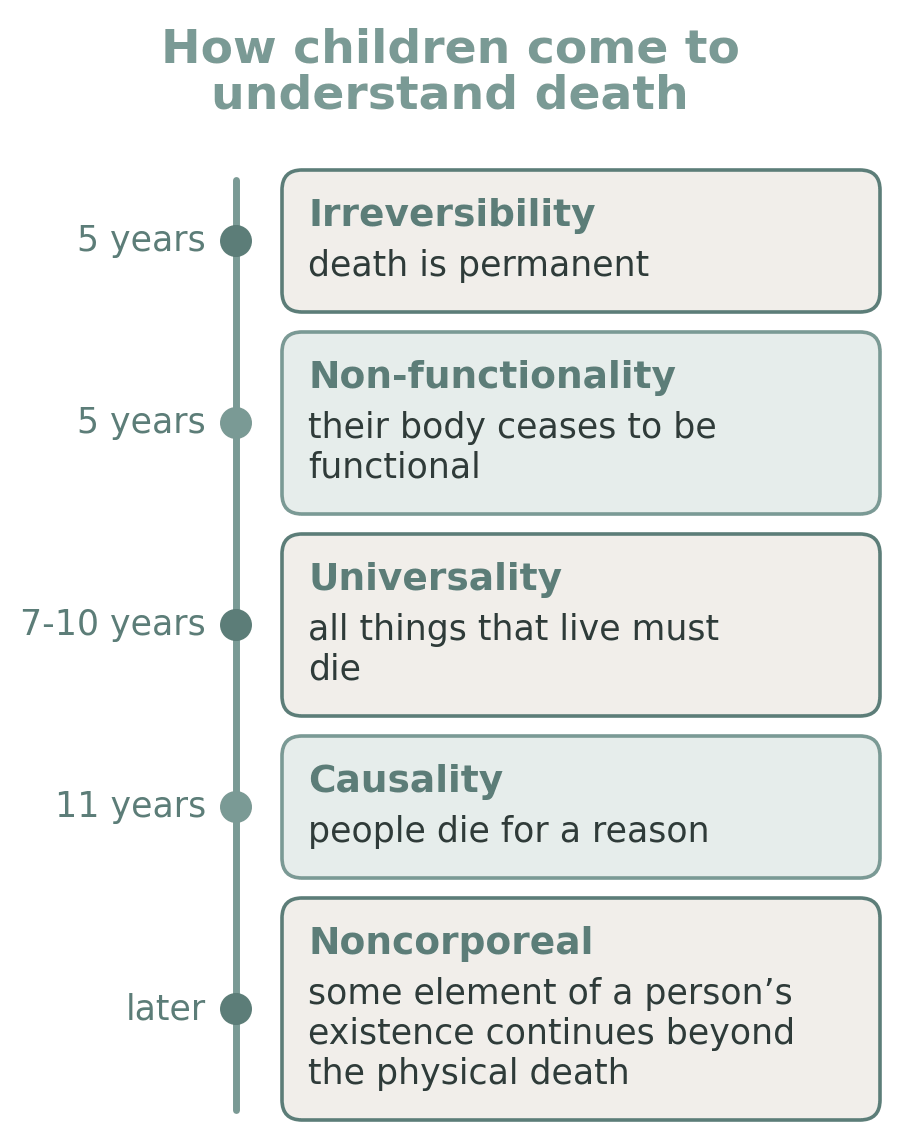
The development of our death concept (our understanding of death) begins in childhood, usually around 5 years of age. Between the ages of 5 and 11 years, children often go through four different developmental stages in their understanding of death (Speece & Brent, 1984). The first stage is understanding the irreversibility of death. In other words, death is permanent – when people die, they cannot become “undead”. Usually around the same time, children begin to accept the non-functionality of death. In other words, once someone dies, their body ceases to be functional. They cannot hear or see us. Between the ages of 7-10 years old, children begin to accept the universality of death. All things that live must die. The final stage of understanding death, usually by 11 years of age, is accepting the causality of death. People die for a reason (e.g., their organs stop working, they get hit by a car, they have a disease that impedes the body’s ability to function). More recent research about the development of death concepts also suggests a fifth developmental stage called noncorporeal continuation (Cox, Garrett, & Graham, 2005; Speece & Brent, 1996). This is the idea that there might be more than just two stages of existence (alive and dead); but rather, that some element of a person’s existence continues beyond the physical death (e.g., reincarnation or the afterlife, often influenced by religious or spiritual beliefs).

One of the best ways to cope with grief and loss is to talk about death openly. Think about and discuss our understandings of death. What is our death concept? How has it evolved since childhood? What do our children, parents, or friends think about death? Talking about death does not expedite its arrival, but it does help us prepare for the inevitability of death in our lives. Children have a natural curiosity about death. Sometimes that curiosity changes into fear – fear of the death of a loved one or of their own death. This, too, is a natural part of development. But remember, death anxiety and death acceptance is shaped by our attitudes about death. We need to understand our own attitudes about death to help our children develop their own.

Tips for talking to children about death

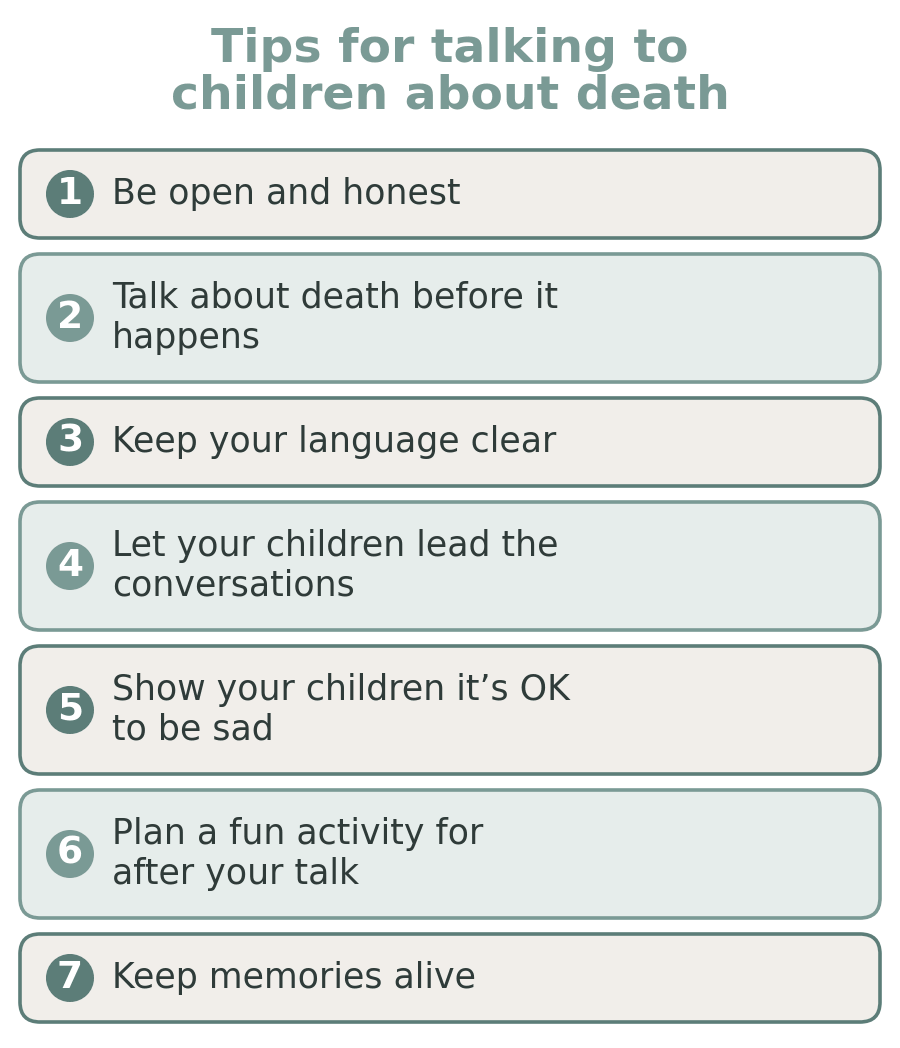
  • Be open on honest
  • Talk about death before it happens in your family.
  • “Start from a place of shared truth and being led by the child as much as you can.”
  • Keep your language clear, don’t use euphemisms like “they passed away”
  • Let your children lead the conversations; ask them what they think has happened, rather than bombarding them with information
  • Show your children it’s OK to be sad
  • Kids can’t sit with “big feelings” for too long, so plan a fun activity for after your talk
  • Keep memories alive — make a scrapbook about someone who died, visit their favourite place or cook a recipe they loved

https://www.abc.net.au/life/play-school-teaching-kids-about-death-and-grief/11391804

If you, or someone you know is struggling with a death or the dying process, give us a ring at Your Mind Matters. We’re here to help.

References

Bonoti, F., Leondari, A., & Mastora, A. (2013). Exploring children’s understanding of

death: through drawings and the death concept questionnaire. Death Studies, 37(1), 47-60.

Cox, M., Garrett, E., & Graham, J. A. (2005). Death in Disney films: Implications for children’s

understanding of death. Omega-Journal of Death and Dying, 50(4), 267-280.

Neimeyer, Moser, R. P., & Wittkowski, J. (2003). Assessing attitudes toward dying and

death: Psychometric considerations. Omega-Journal of Death and Dying, 47(1), 45-76.

Speece, M. W., & Brent, S. B. (1984). Children’s understanding of death: a review of

three components of a death concept. Child Development, 55(5), 1671-1686. doi:10.2307/1129915

[siteorigin_widget class=”SiteOrigin_Widget_Headline_Widget”][/siteorigin_widget]
[siteorigin_widget class=”WP_Widget_Media_Image”][/siteorigin_widget]

This blog was written by Allison Conyer – Psychologist at YMM.

Allison has worked with clients from all age groups to better manage symptoms of anxiety, depression, trauma, poor self-esteem, body concerns, perfectionism, eating disorders, workplace stress and burnout, chronic pain and illness, grief, loss, and death anxiety.

To learn more about Allison, check out the “Our Team” page on our website! https://yourmindmatters.net.au/our-team/


How can a therapy dog benefit me in my sessions?

“A dog has no use for fancy cars, big homes, or designer clothes. A water logged stick will do just fine. A dog doesn’t care if you’re rich or poor, clever or dull, smart or dumb. Give him your heart and he’ll give you his. How many people can you say that about? How many people can make you feel rare, and pure and special? How many people can make you feel extraordinary?

John Grogan, Marley and Me

Remember how some offices would have “Bring your dog to work day!” and you would feel so excited at the thought of having your best friend join you at work for the day? I’m very fortunate that for me, every day at work is “Bring your dog to work day”. That’s because in my role as a clinical psychologist at Your Mind Matters, I am joined by my best friend, Luna. Luna is my five-year-old yellow Labrador Retriever, who is a certified therapy dog. This means that, not only do I get to enjoy the benefits of owning a dog in my personal life, but I get to see the impact she makes with each and every client.

What is a therapy dog?

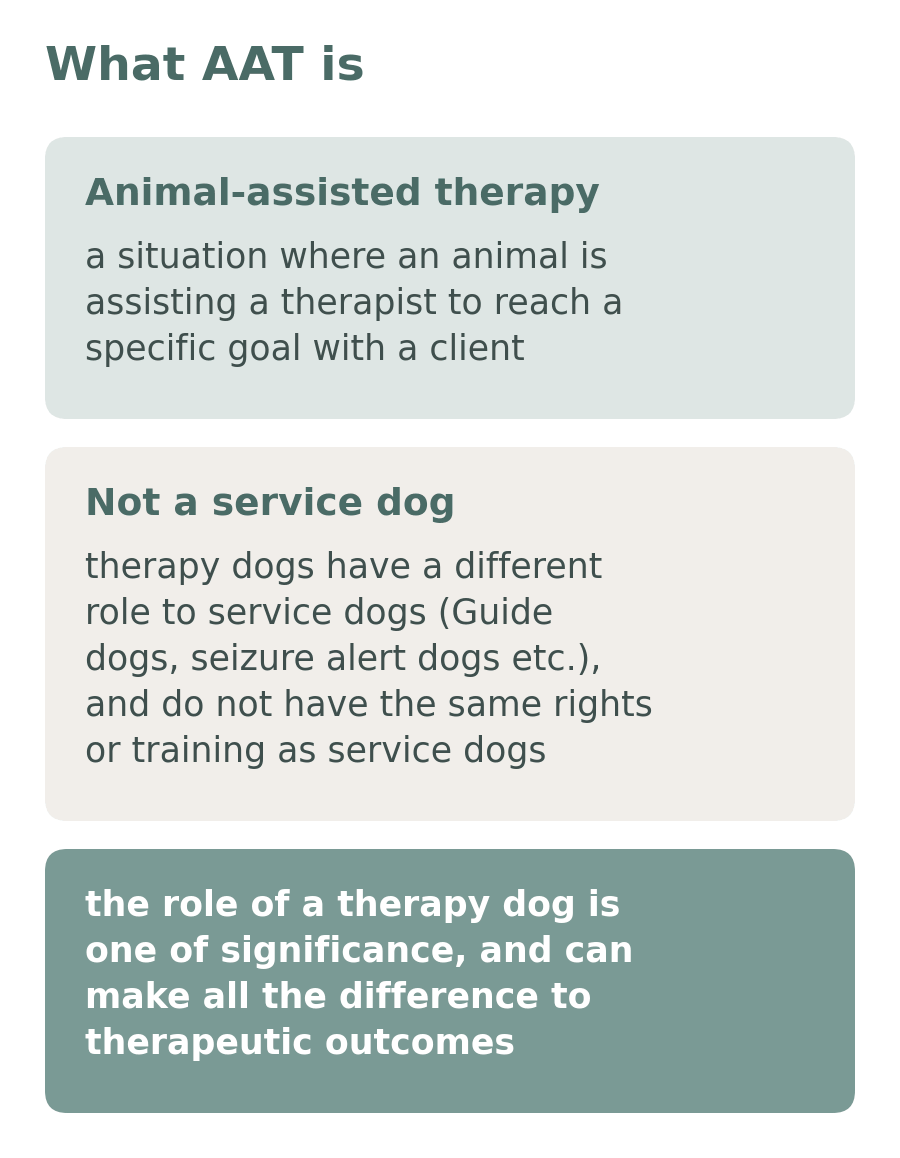
Therapy dogs, as well as other animals such as cats, rabbits and horses, are used as part of Animal Assisted Therapy. Animal-assisted therapy, or AAT, involves a situation where an animal is assisting a therapist to reach a specific goal with a client. Many different types of therapies can utilise an animal, such as Psychology, Occupational Therapy and Speech Therapy, to name a few.  It is important to note that therapy dogs have a different role to service dogs (Guide dogs, seizure alert dogs etc.), and do not have the same rights or training as service dogs. Despite this, the role of a therapy dog is one of significance, and can make all the difference to therapeutic outcomes.

What are the benefits of having a therapy dog in my sessions?

Dogs are great at engaging individuals, and are usually highly motivated by social contact. This makes them the perfect addition to a session, and in my experience, often when children and adolescents know that they get to “play” with Luna in the session, they are much more motivated to attend. By having Luna in the sessions, a calm space is created and clients know they can let their guard down and feel comfortable, in a non-judgmental space. Luna is a very excitable dog, and makes every single person feel so welcome. She is often able to identify a client’s emotional state, and give them what they need in that moment. For example, if a client is feeling sad and cries, Luna usually recognises this and attempts to comfort the person, by either leaning in close to their face, or will place herself close enough for a pat. It is also helpful having an excitable dog in session, as I use this to teach children about different “Zones of Regulation”. For example, if Luna is in the “yellow zone” (excitable, moving too fast, not focussing), children identify this and help Luna get into the “green zone” (calm, ready to learn), which in turn they learn to apply to themselves. Having a therapy dog in session also assists clients who are not comfortable with making eye contact, as there is something else to focus on in the room.

What are some of the health and psychological benefits of owning a dog?

Studies have shown that individuals who own a dog report less depression, and greater coping skills with things such as grief and loss. Research also shows that playing with a dog increases our dopamine, serotonin and oxytocin levels, which all affect our mood. Dog owners are also more likely to be active, and they force us to socialise, thus increasing our social connectedness. For our little ones, studies have shown growing up with pets may strengthen their immune system resulting in less risk of allergies. It also teaches children a sense of responsibility when they are asked to help care for their pet.

These are just some of the many benefits of pet ownership, but it is important to note that the decision to own a pet is a big one, and each individual or family should weigh up the pros and cons for their individual circumstances.

If you think AAT is suitable for you, or you’d like to know more information, please contact our reception team on 9802 4654.

References

https://leadthewayinstitute.com.au/home/

https://www.helpguide.org/articles/mental-health/mood-boosting-power-of-dogs.htm

https://kb.rspca.org.au/knowledge-base/what-are-the-health-benefits-of-pet-ownership/

https://www.signaturehealthinc.org/blog/blog-feed/the-correlation-between-dogs-and-improved-mental-health/

[siteorigin_widget class=”SiteOrigin_Widget_Headline_Widget”][/siteorigin_widget]
[siteorigin_widget class=”WP_Widget_Media_Image”][/siteorigin_widget]

This blog was written by Johana Xanthopoulos, Clinical Psychologist at Your Mind Matters.

Johana works with a range of clients, including children and adolescents. Working previously in an early childhood intervention setting, Johana has skills and experience working with a range of childhood disorders, particularly Autism Spectrum Disorder. Johana’s other special interests include anxiety and depression. She has also completed Animal Assisted Therapy training with her dog Luna, who you may see in our office.

Johana is fluent in English and Greek.

Moving on from Parentification

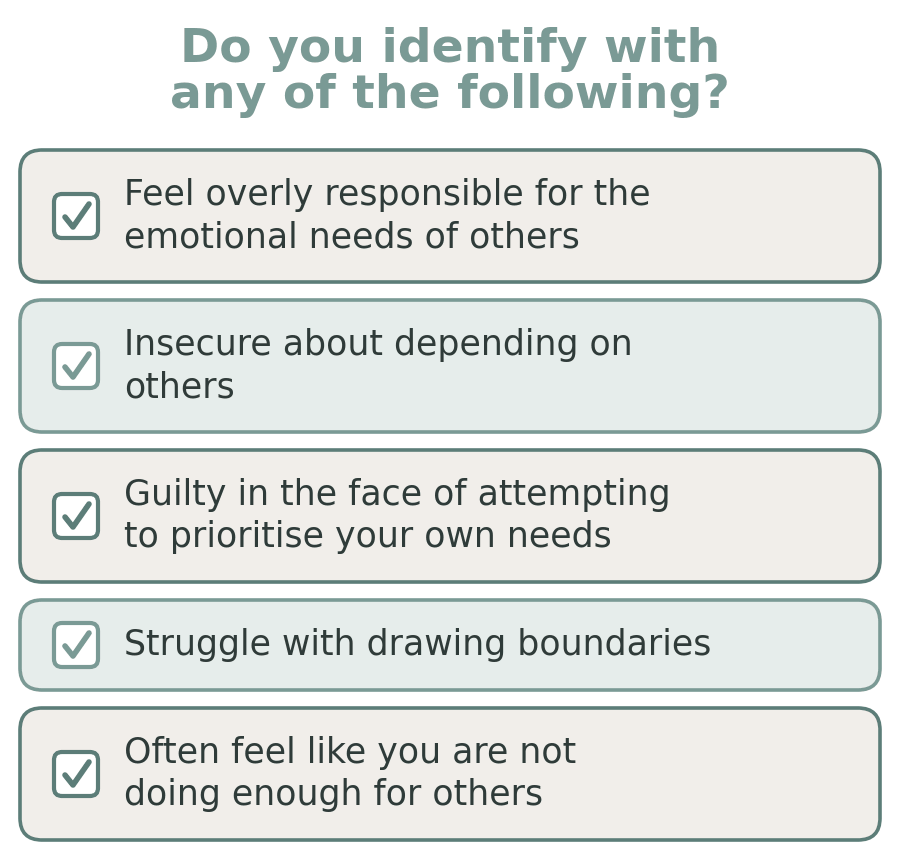
Do you identify with any of the following?

  • Feel overly responsible for the emotional needs of others
  • Insecure about depending on others
  • Guilty in the face of attempting to prioritise your own needs
  • Struggle with drawing boundaries
  • Often feel like you are not doing enough for others

If you endorsed any of the above, could you have been a parentified child?

“Parentification” is the outcome of a role reversal, wherein a child finds themselves obliged to act as a parent to their own parent or siblings. Rather than the parent responding to the child’s emotional needs, the child feels compelled to take on the role of meeting the parent’s emotional needs. Consequently, the child becomes highly attuned to any changes in the parent’s mood. This can occur due to a variety of different situations, for example, in the face of divorce, where a parent turns to the child for ‘emotional unloading’, the child quickly becomes an ear for the parent’s distress, perhaps acting as an advisor or mediator. Basically, the parent inappropriately turns to their child to meet his or her own needs for affection, approval, reassurance, stability or control….


What a hefty burden for a child to bear, at any age! Often this results in the child maturing quickly and taking on the role of an adult way too early! Most of the time, in parentification there is no malicious intent, the parents love their child but with limited capacity and are driven by personal vulnerabilities.


As adults, these children would likely endorse the above questions. Whether aware of this process or not, they may refer to their parent as their “best friend”, “lifeline”, or “confidant”, however, often report feeling empty, smothered, and struggle with their sense of self-identity. While the personal impacts of parentification can be distressing, the role of caretaker can also provide a sense of control, certainty, and safety. It is often not until these adults reach a point of utter burn-out that the impacts of this role are considered.


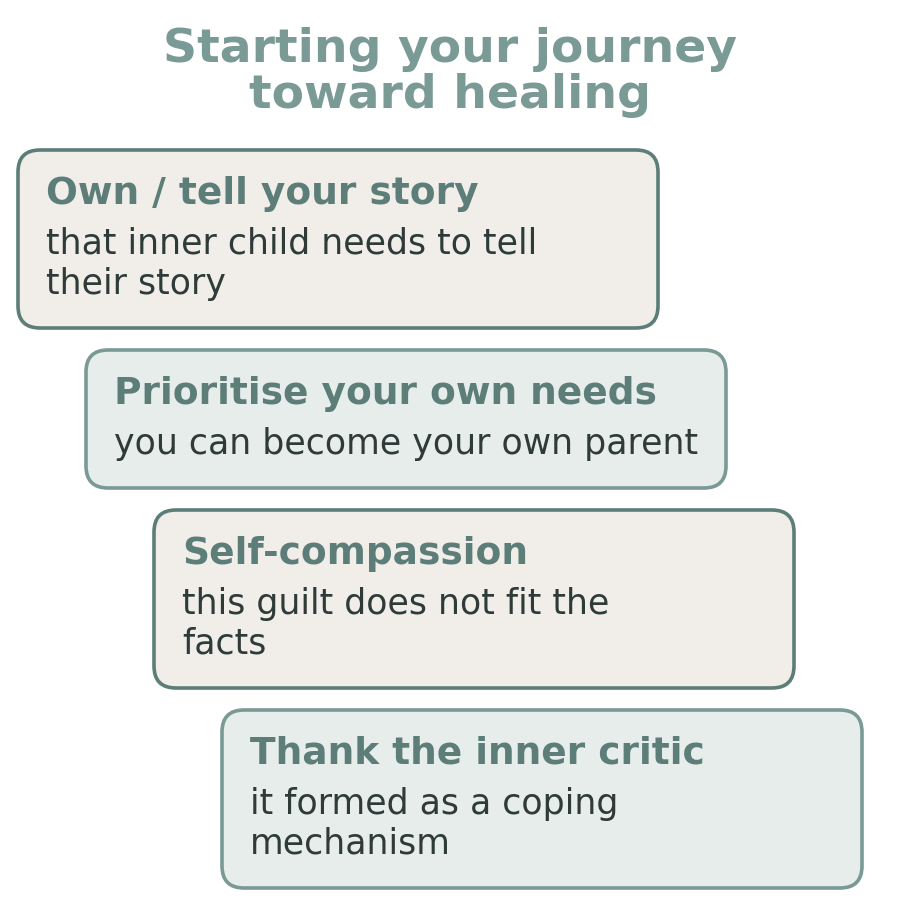
So perhaps you have identified some of these themes in yourself and your relationship with a parent. If you have, a sense of anger and loss is completely understandable. If you are interested in starting your journey toward healing from parentification the below tips may be a good starting point:


  • Own/tell your story: As part of reclaiming elements of your lost childhood, that inner child needs to tell their story. Acknowledging your truth is the first step that will likely allow room for justified feelings of grief and anger. Therapy provides a non-judgemental safe space for your truth to be heard.
  • Prioritise your own needs: Often a deprivation of joy and play can accompany a parentified history. The good news is that you can become your own parent to your inner child and allow them to play, make a mess, and soak up the things that make their heart glad. It may take some time for you to connect with your needs so take it slow, it might be that you start off with prioritising some time for a hobby or activity that you don’t often get around to.
  • Self-compassion: Guilt is an emotion that is frequently felt by the parentified child and often this guilt does not fit the facts. Typically, the automatic default is to assume that things are their fault with the inner critic pushing them to do more for others. It’s time to extend yourself a kind hand and cultivate self-compassion.
  • Thank the inner critic: The inner critic that berates you with the “do more” and the “fix it” story formed as a coping mechanism in times of distress. Instead of leaning into the critic with contempt, it may be helpful to recognise the critic for their help but remind them that you have got it from here!


As with healing from any form of trauma, this will take time. Tread softly with yourself, nurture your needs, you deserve to! Psychotherapy can also provide a space for you to practice these skills and help you process your feelings along the way. Our team of psychologists are here to help.


References:

Interpersonal Process in Therapy: An Integrative Model- Book by Edward Teyber

https://doctorlib.info/psychiatry/breaking-negative-thinking-patterns/3.html

https://eggshelltherapy.com/parentification/

https://www.psychologytoday.com/au/blog/living-emotional-intensity/201912/did-you-have-grow-too-soon


[siteorigin_widget class=”SiteOrigin_Widget_Headline_Widget”][/siteorigin_widget]
[siteorigin_widget class=”WP_Widget_Media_Image”][/siteorigin_widget]

This blog was written by Blair Raatjes, Psychologist at Your Mind Matters Psychology Services. She works with us 2 days per week.

Blair understands that seeking psychological help for the first time can be a nerve wracking experience for clients, therefore, she is committed to providing a warm, accepting and compassionate environment. She believes that collaboration, empathetic understanding, and respect are essential components to therapy and is interested in evidence-based approaches that emphasise the importance of catering to each client’s needs and strengths. Blair has experience using key therapeutic techniques, including Cognitive Behaviour Therapy and Motivational Interviewing and has a keen interest in Mindfulness based techniques such as Acceptance and Commitment Therapy.

To learn more about Maria, check out the “Our Team” page on our website! https://yourmindmatters.net.au/our-team/


Understanding Your Thoughts

[siteorigin_widget class=”SiteOrigin_Widget_Headline_Widget”][/siteorigin_widget]

Simply put, thoughts are our opinions and beliefs about ourselves, others and the world around us. Thoughts can be experienced in different ways. Some of us think in the form of ‘words’, images/pictures, or even both. We all have that ‘voice’ in our head that helps us process events that are unfolding around us. Sometimes our inner self-talk can be very positive, supportive and encouraging, almost like a cheerleader. However, at times it can be very critical. You may have heard of the term ‘the inner critic’; this is the part of you that scrutinises/judges you. It may, for example, tell you that you ‘should’ do better or that you’re failing in life.


A big part of therapy is to shift our thinking. Now we have all heard the term ‘positive thinking’. We might be going through a tough situation and in an attempt to help, a friend or loved one may tell us “STOP thinking so negatively and think more positively!!”. Easier said then done, right?! We first need to understand our thoughts, before we can start to shift them. Most importantly, we need to understand what has led us to form that interpretation of the situation/event at hand, ourselves, others or the world.


Let’s start at the beginning… First and foremost, you CAN NOT stop yourself from thinking! The more you tell yourself to ‘stop thinking’ the more you think that thought! Have you ever had a song stuck in your head? I bet the answer is YES! And your mind sings it over, and over, and over! It becomes annoying, right? And the more you try to ‘get rid of’ that song, the more your mind keeps replaying it. Eventually, you may decide to stop fighting it and allow your mind to ‘sing’, you allow the song to be there, and go on with your day, focusing on what is important to you. And alas… IT GOES AWAY!!


Above, I mentioned that thoughts are words/pictures/images. I want you to keep this in mind. Thoughts in and of themselves do not have any meaning; they are words/pictures/images formed in our mind about our interpretation of a situation. We are the ones who give our thoughts meaning…we think them and automatically believe them to be true. Just because you think something, it DOES NOT make it true. For example, if you had the thought “I’m not a good friend”, that does not make it a fact.


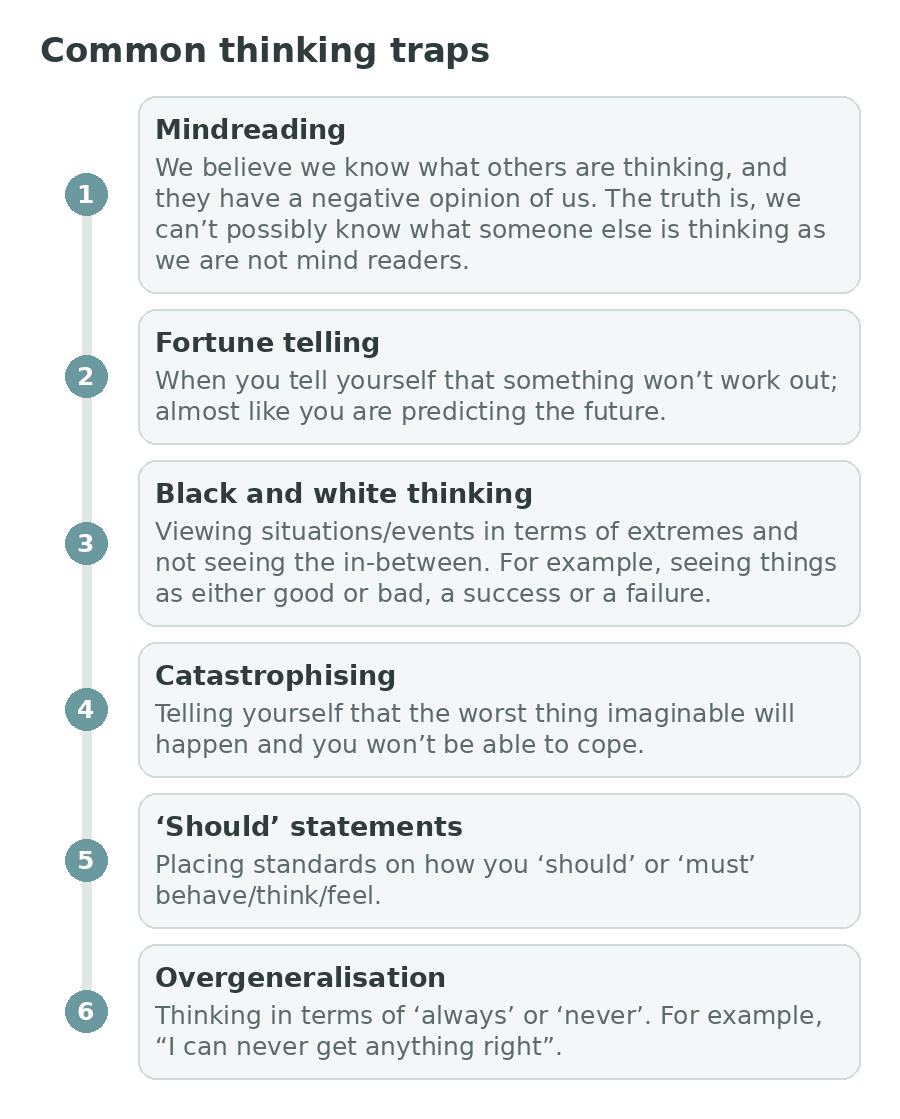
We can often get caught in ‘thinking traps’. These are also referred to as cognitive distortions. Thinking traps are inaccuracies in thinking which are often very unhelpful and get in the way of us viewing a situation more objectively. Here are some common thinking traps:

  • Mindreading – We believe we know what others are thinking, and they have a negative opinion of us. The truth is, we can’t possibly know what someone else is thinking as we are not mind readers.
  • Fortune telling – When you tell yourself that something won’t work out; almost like you are predicting the future.
  • Black and white thinking – Viewing situations/events in terms of extremes and not seeing the in-between. For example, seeing things as either good or bad, a success or a failure.
  • Catastrophising – Telling yourself that the worst thing imaginable will happen and you won’t be able to cope.
  • ‘Should’ statements – Placing standards on how you ‘should’ or ‘must’ behave/think/feel.
  • Overgeneralisation – Thinking in terms of ‘always’ or ‘never’. For example, “I can never get anything right”.


Rather than refer to our thoughts as ‘positive’ or ‘negative’, I personally prefer to use the terms ‘helpful’ or ‘unhelpful’. Ask yourself, is it useful for me to think this way? Does this help me to live by my values and purse my goals? In the same way that we stop trying to ‘get rid of’ the songs stuck in our mind, we want to start making choices towards not engaging in our thoughts or getting stuck in the trap of ‘believing them’. Instead, we want to start noticing them more mindfully.

Our thoughts can be quite powerful and influence us in many ways. If you would like some support to shift your thinking to be more helpful and aligned with your values, our team of psychologists are here to help.

[siteorigin_widget class=”SiteOrigin_Widget_Headline_Widget”][/siteorigin_widget]
[siteorigin_widget class=”WP_Widget_Media_Image”][/siteorigin_widget]

This blog was written by Maria Kampantais – Psychologist and Clinical Registrar at YMM.

Maria has been consulting at YMM for many years and enjoys working with clients through the use of evidence-based therapies such as Cognitive Behavioural Therapy (CBT), Acceptance and Commitment Therapy (ACT), mindfulness techniques, Motivational Interviewing (MI), and Solution Focused Therapy (SFT).

To learn more about Maria, check out the “Our Team” page on our website! https://yourmindmatters.net.au/our-team/


Relationships – The House that Makes a Home –

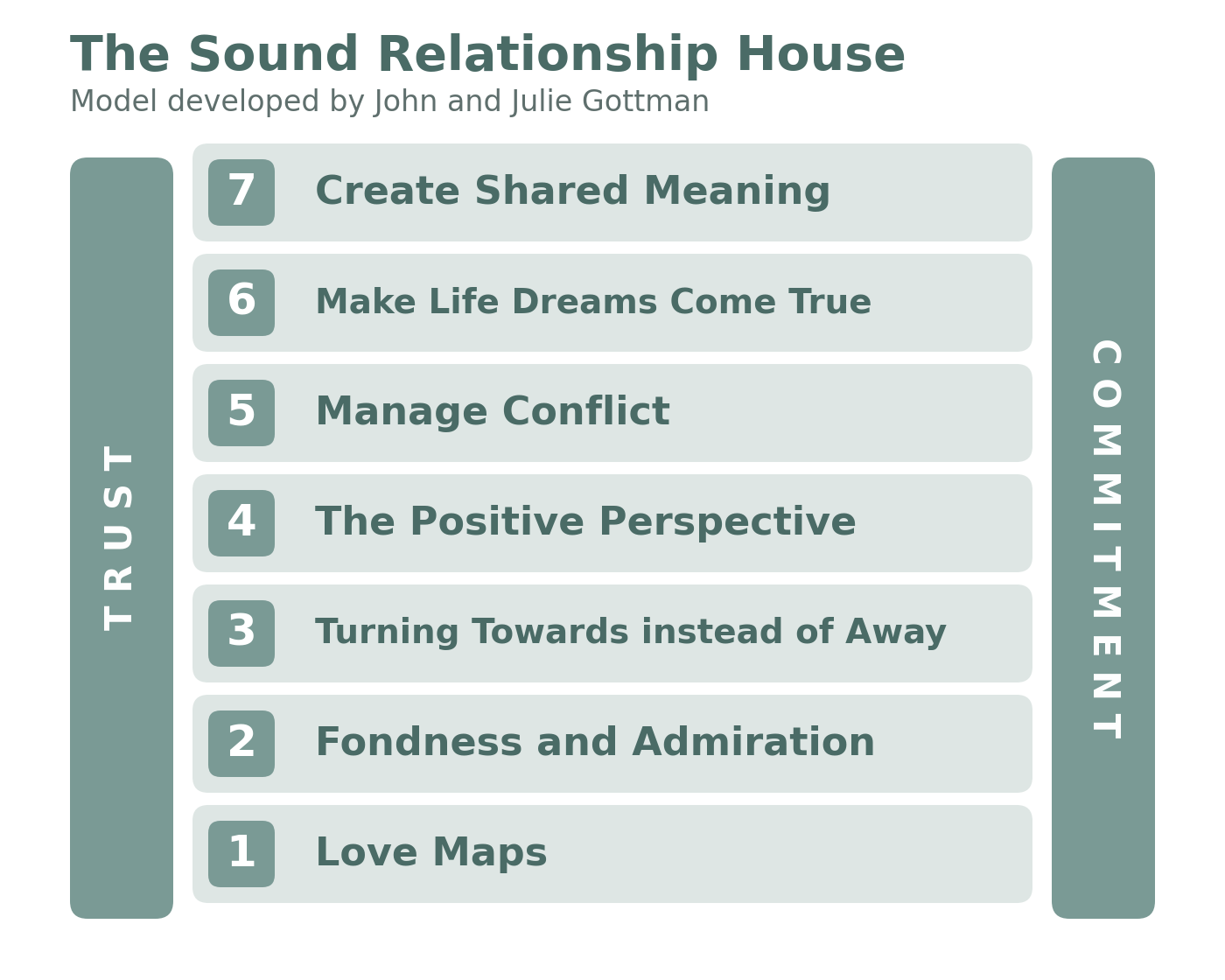
What are the elements for a happy, healthy, and strong relationship? Some people say trust, others say honesty, loyalty, commitment. Well, through countless hours of research, observations, and studies of over 3,000 couples, relationship experts, Julie and John Gottman have developed The Sound Relationship House – 9 building blocks of a relationship that is applicable across culture, ethnicities, religious beliefs, or socio-economic background.


First Floor: Love Maps

The foundation to a long-lasting relationship stands in a firm comprehension of your partner’s psychological world – their needs, values, priorities, stresses, dreams, aspirations, past experiences, grievances etc. Knowledge of our partner’s preferences, likes, dislikes and history allow us to intently be aware of what our partner may be thinking and feeling, a protective factor, which allows our relationships to weather emotional storms, disagreements, and major life transitions.


Second Floor: Fondness and Admiration

Sharing fondness and admiration is the ability to articulate and convey to our partners the big and small reasons why we love and appreciate them. This builds up positive sentiment towards our partner and relationship. As a result, the respect and admiration that we hold prevents betrayal, and thoughts of break-up, separation or divorce every time an argument arises.


Third Floor: Turning Towards instead of Away

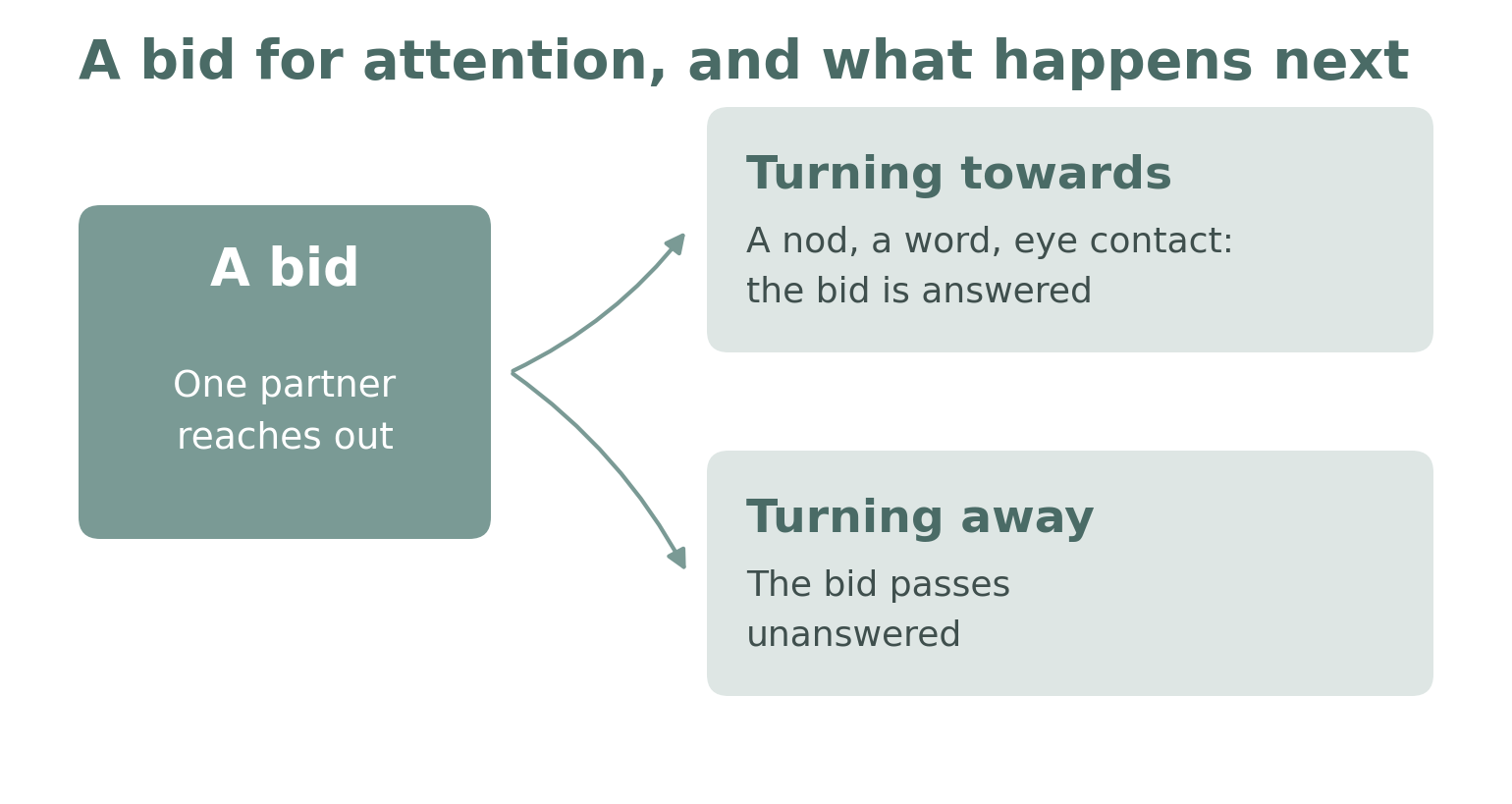
This level refers to all the small moments in which we may make a bid for our partner’s attention. This may be as insignificant as, “Hey, isn’t that a pretty flower” to more significant bids like, “I don’t know what to do, I need your help”. When our partner acknowledges our request for their attention – i.e., through a mumbled “yes”, “mmhmm” or even eye contact, this is referred to as turning towards. Research literature indicates that couples whose marriages ended in divorce six years later only turned towards their partners 33% of the time.


Fourth Floor: The Positive Perspective

This floor cannot be directly worked on but relies on a strong foundation in the other floors of the Sound Relationship House. It refers to the overall perception of how we view our partner and relationship – through the past, present, and future. Having a fundamentally positive view of our partner and relationship is a powerful buffer in times of trouble and readily allows us to give our partner the benefit of the doubt.


Fifth Floor: Manage Conflict

All happy and long-lasting relationships have their fair share of disagreements, tiffs, and arguments. The fifth floor does not refer to ridding all relationships of these times, but rather in how to effectively and healthily navigate these conversations so that neither partner feels unheard, unimportant, or attacked.


Sixth Floor: Make Life Dreams Come True

This floor of the Sound Relationship House recognises that most individuals have their own dreams, hopes and aspirations. Lasting relationships have partners who not only encourage us to pursue these goals, but also assist and support us in being able to reach these goals.


Seventh Floor: Create Shared Meaning

The last level of the Sound Relationship House refers to a couple’s continued efforts to create memories, shared rituals, and traditions together. This may be a monthly date night, a weird and whacky birthday celebration or a sentimental Christmas tradition. All these moments are created together and bond partners as a unit.


The Walls: Trust and Commitment

While each floor of the house plays a significant role in the happiness and longevity of each relationship, it would all come crumbling down without commitment from both partners towards a life-long journey of continued effort, and the promise of devotion and care. Trust in your partner that you won’t be easily replaced as soon as someone “better” may come along.


To find out more about the Sound relationship House or other resources for your relationship head to: https://www.gottman.com/ (we love all things Gottman!!!)


If you or someone you know is struggling individually or as a couple, please don’t hesitate to contact our friendly reception staff at Your Mind Matters Psychology. Call us on (03) 9809-5947, or send us an email: admin@yourmindmatters.net.au

This post was written by Simone Chaochalakorn, Psychologist at YMM.

Simone has experience working in a variety of contexts, including working with young children in primary schools, as well as adolescents in clinics. Alongside this, Simone has also assisted adults and seniors with concerns such as work-related stress, relationship difficulties, anxiety and low mood.
Why a blog on relationships? Well, this is what her Masters thesis was based on and continues to be an area of interest 🙂


📅 Book an Appointment