Christmas can be a challenging time of year for some of our clients, so we thought it may be helpful to share some resources.
For 24 hour telephone support, you can contact Lifeline on 13 11 14
Mensline: 24/7 support for men: Â 1300 78 99 78
Suicide Call Back Service: 1300 659 457
Headspace- 1800 650 890 (for young people aged between 12 and 25)
SANE offer support via phone and website from 10am-10pm, head to SANE.org
If you prefer to talk face-to-face, try to speak with a trust friend or family member, or book an appointment with your GP, who will also be able to link you in with services.Â
We have quite a number of blogs dedicated to self-care on our website, which you may also enjoy reading, and there are many apps (free!) aimed to help with stress management (Calm, Happify, and Headspace are amongst the most popular).Â
For some families, having a diagnosis that explains their childâs speech, behavioural and emotional issues is a relief. However, for others, it may be a complete shock and a rather challenging issue to come to terms with.Â
From a psychologistâs point of view (for me at least), a diagnosis is actually a positive turning point for children with Autism. It provides those who interact and/or educate the child with a better understanding of the childâs presenting issues. It gives these adults a clearer framework in which they can effectively communicate and teach the child. A formal diagnosis also opens up avenues to government funding for intervention that will ensure the child receives the support he/she needs to thrive with the condition they have.Â
Nonetheless, I can also understand how in certain cultures and societies a diagnosis of Autism is shunned upon. For families coming from cultural groups who are not familiar with Autism, the diagnosis is often related to feelings of âshameâ, âembarrassmentâ, âdisgraceâ or is seen to be equivalent or at least feel as if it is a âdeath sentenceâ to the childâs future.Â
A diagnosis does not change who the child is and how they behave. All a diagnosis does is provide (or attempts to do so) an explanation for why the child may be presenting with the difficulties and differences that they do.Â
The following is some advice I found to really resonate with some of the parents I work with and I hope those reading this blog may find it beneficial in their journey with Autism. Â
Give yourself time to read, research and ask questions. Avoid jumping to conclusions and do not make assumptions. Donât let the diagnosis intimidate you.Â
Remember the sweet child you love. The diagnosis DID NOT change who they are. The challenges you and your child are facing now may one day pass. With intervention, there is a real possibility that you may overcome the difficulties you experience.Â
It is not your fault! There is nothing you could have done differently to prevent Autism.Â
Donât let people who havenât got a clue about Autism cause you to feel humiliated and ashamed.
Do not isolate yourself or your child because of Autism. Reach out for help. While it is true that some of your friends may stop socialising with you because they do not understand the meltdowns, the necessity for routine and structure, there are also many parents who have similar experiences. Parent support groups or online groups can be helpful.Â
Remember to take a step back and breathe. Donât lose your sense of humour. You can dwell on all the âwhat-ifsâ and the âshould-havesâ or you can work towards acceptance of the situation and look for the joyous moments around you. The truth is, whether a child has Autism or not, kids are kids, and kids have and are fun! Kids say and do the funniest things, so try to enjoy these moments.Â
For the full article of the doâs and dontâs after an Autism diagnosis, read the following article: https://www.autismspeaks.org/blog/dos-and-donts-after-autism-diagnosis
This blog was written by Dr Aiyuen (Shannon) Choong, Psychologist at Your Mind Matters. Aiyuen is fluent in English and Mandarin, and is passionate about working with children from preschool years through to adolescence.
I think weâve all experienced that sense of dread as Monday rolls around. Feeling âblueâ with the lead up to the working week, commonly known as âThe Monday Morning Bluesâ is quite relatable for a lot of us. Most people begin to feel âblueâ on a Sunday, given that Sunday signifies the end of the weekend.Â
Why are Mondays so dreaded?
We tend to overwork ourselves during the work week, at times telling ourselves the more we get done, the more time we will have to relax over the weekend, recharge and have some fun. Yet, this isnât always the case. Weekends tend to be busy and although we might have fun things planned, staying up late and having too much on, can quickly contribute to feelings of exhaustion by the time Monday arrives. This means that our mind and body havenât had the opportunity to unwind and prepare us for the next five working days. The thought of having to get through another five days of work (or more) before a day off again can give rise to that sense of dread.Â
Here are some tips to help with managing the Monday Morning BluesâŠ.
Set some time aside on a Sunday evening to engage in a low-key activity. Why not have a bath, do some reading, or engage in some mindfulness? This will help to make you feel more rested and is a good way to end the weekend. That, coupled with an early night and a good nightâs sleep can help give you that extra energy boost to start the working week.Â
Prepare the night before. Pack your lunch, get your bag ready and decide what to wear. This will help to make Mondayâs run a bit smoother and can be helpful to adopt each day of the working week, to aid with timeliness and reduce the chance of running late in the mornings.Â
Get up early on Monday and go for a brisk walk. This helps to get you energised. Give yourself ample time to have some brekkie, read the paper and that way youâre not rushing. If youâre not a breakfast person, take something on the go to snack on later in the morning.
Take regular breaks throughout the working day. Not just on Monday, but every day. Regular breaks help with concentration, performance and productivity, and contributes to your overall wellbeing. Taking regular breaks also means that you are less tired by the end of the working week. If you are interested in reading more about the benefits of breaks throughout the workday, follow the link below [1].
Schedule in enjoyable activities throughout the week, rather than leaving all the âfun stuffâ to the weekend.Â
Rather than catching up with friends or family on a weekend, why not try to be social on a Monday night. Family and friends will likely be more available, and you can have something to look forward to on Monday night.Â
Friday tends to be a treat day. Why not shift this to a Monday? Treat yourself to something nice like lunch with a work colleague, make the effort to go for a walk at lunchtime or grab a coffee on your tea break. Why not eat out for dinner or get take-out? Try to make Monday a day to look forward to.Â
If you try some of these suggestions and yet you STILL find yourself dreading Mondays, then I would suggest trying to uncover why Mondays make you feel so blue. It may be time to reconsider your career or job and find something more suited to you. Maybe a conventional 9-5, Monday to Friday, isnât for you. Or maybe you havenât taken leave in quite some time. Often, if we have reached the point of burnout, we may need more than a couple of days to recharge, so some time off might just do the trick.Â
If you would like some support with managing the Monday Morning Blues, why not give us a call? Our psychologists are here to help.Â
This blog was written by Maria Kampantais, psychologist at Your Mind Matters Psychology Services. She works with us 4 days per week (day and evening sessions) and is passionate about working with clients suffering from various anxiety disorders.Â
Iâve never forgotten the following phrase that I heard in my initial training when I started working as an ABA (Applied Behavioural Analysis) therapist; âThere is always a reason for behaviourâ. These words have since guided and continue to guide my practice when working with children and their families. Even though we may not know what the reason is, there is always a reason for your child behaving in a certain way, be it positive or challenging. Behaviour is often the way communication is expressed to fulfil an underlying need. If your child does not understand their needs or know how to communicate them in an appropriate way, they may be expressed through their behaviour. This is where challenging behaviours can arise. Although challenging behaviours can occur in all children, they are particularly prevalent in children who have specific disorders that affect the typical development of communication, such as Autism Spectrum Disorder (ASD). When this is occurring, we need to investigate to find out what it is that they are trying to tell you!Â
The four main functions of behaviour
As behaviour is used to communicate an underlying need, we can look at the behaviour as serving a specific purpose, or function. Behaviour can be divided into the following 4 main functions:
Attention: a desire to gain social interaction, e.g., wanting to be looked at, hugged, praised, etc. To feel a sense of belonging and acceptance.
Escape: avoidance of something aversive, e.g., wanting to avoid a task that is particularly difficultÂ
Tangible: gaining access to specific objects or activities e.g., food, money, toys, playing a game
Sensory: an internal self-stimulatory need e.g., hand flapping, hair twirling, any behaviour that promotes an internal feeling of enjoyment, satisfaction, soothing, etc.
Operant conditioning
We can understand more about behaviour through a process known as operant conditioning. Operant conditioning looks at the consequences of the behaviour. If a behaviour is followed by desirable consequences, then it is more likely to continue. For example, in our society, most people go to work to get paid – a desirable consequence of going to work that is likely to result in a person continuing to go to work. However, if a behaviour is followed by unpleasant consequences, then it is less likely to occur. Anything that increases the likelihood of a behaviour occurring is known as reinforcement. For example, if a child is asked to perform a math task in the classroom that they find difficult, and they donât know how to appropriately ask for help, they may exhibit disruptive or aggressive behaviour which may result in the teacher sending the child out of the classroom. The function of this behaviour is to avoid a difficult task, i.e., escape, and the behaviour produced the desired result, so it has therefore been reinforced and is more likely to continue.
Responding to behaviour
If we can identify the function of the behaviour, then we can respond to it in an appropriate way where we, in turn, are increasing desirable behaviours and decreasing undesirable behaviours. Whenever a problem behaviour is occurring, we can ask what might be the function of this behaviour? What is my child trying to communicate here? If we know this, we can then give them the tools to fulfil their needs, such as learning how to identify what their needs are and how to communicate appropriately to get them met. For example, most of us need attention and to feel like weâre accepted by others, and we can teach children appropriate strategies to get this need met through verbal or visual communication. It is also important to ensure that we are not only always focusing on the negative behaviours either. As reinforcement increases the likelihood of a behaviour occurring, it is important to reinforce positive behaviours.
How a psychologist can help
Identifying the function of the behaviour and knowing how to respond to it can be a complex process and there is never a âone size fits allâ approach. If your child is exhibiting behaviours of concern, your psychologist can help you with strategies to identify the function, and collaboratively devise a plan to reduce the undesirable behaviours and increase desirable behaviours.
If you would like some support with better understanding your childâs behaviour, why not give us a call today? Our team of highly skilled and well-experienced Psychologists are here to help.
This blog was written by Fiona Thomson, psychologist at Your Mind Matters Psychology Services. She works with us 2 days per week and is passionate about working with special needs children presenting is challenging behaviours and adults with depression and stress related issues.
The workplace environment is rapidly and constantly changing. With online platforms, digital tools and smart devices make work more portable and professional lives more accessible than ever. Whilst these devices are intended to simplify things, they also make professional and personal lives more stressful. It has become all too easy for work to be a 24/7 pursuit. The number of Australian workers stressed because of technology has increased by 27 per cent since 2016, according to the latest workplace survey from Reventure, 2017.Â
With organisations increasingly putting a strong emphasis on employee productivity, many workers are faced with long hours, unrealistic workloads and looming deadlines. The pressure to be ever-available and ultra-responsive could be having an adverse effect on the health and productivity of employees.Â
According to statistics provided by health insurance provider Medibank, 3.2 days are lost every year per worker due to stress-related absenteeism. The total cost on the economy weighs in at a staggering $14.81 billion per year, with more than $10 billion being a direct cost to employers. These statistics highlight the importance of maintaining mental wellbeing in the workplace.Â
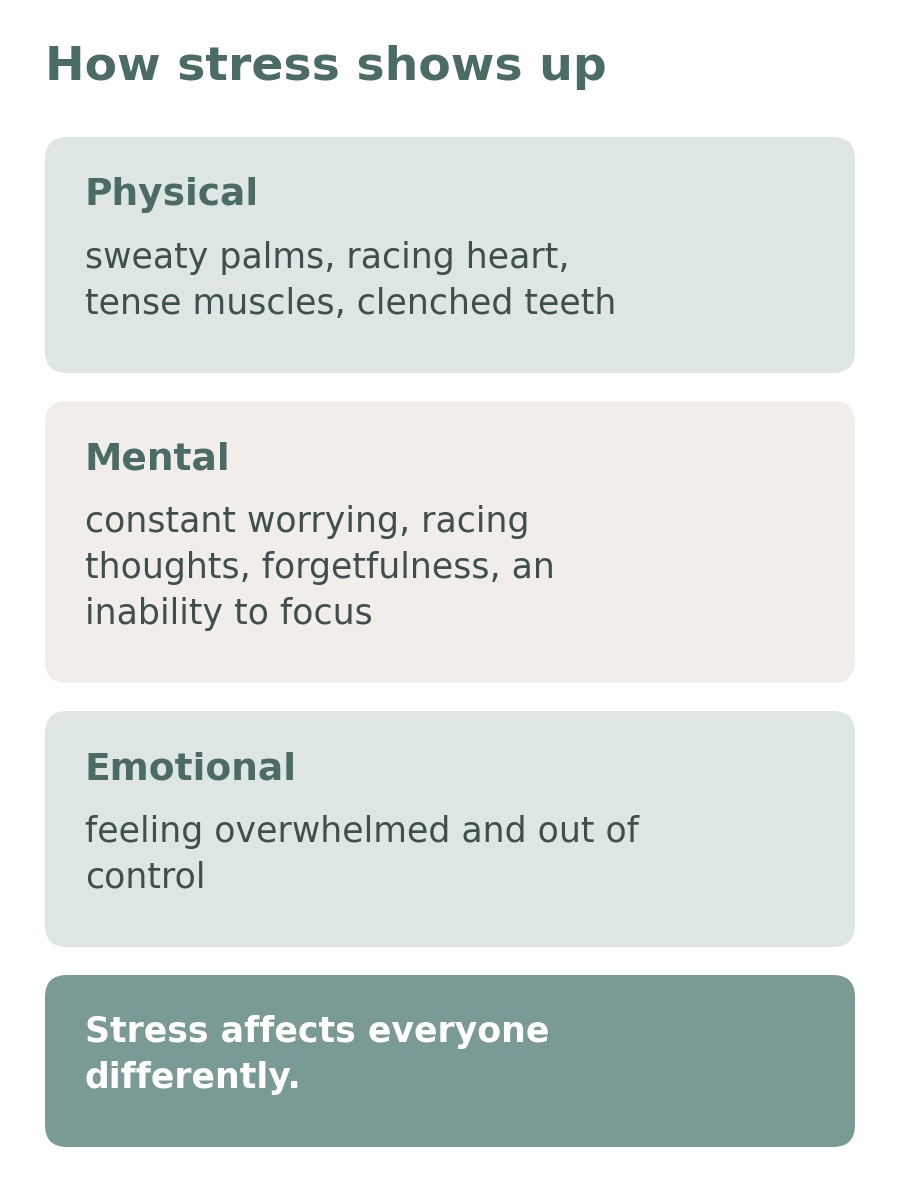
Stress affects everyone differently, but there are common symptoms:Â
Firstly, there are the immediate physical symptoms, like sweaty palms, racing heart, tense muscles, clenched teeth, high blood pressure, and low energy.
Then there are the mental symptoms like constant worrying, racing thoughts, forgetfulness, an inability to focus, and being overly pessimistic.
Lastly, and probably most disruptive to the ability to work, is the emotional impact of workplace stress. Stress causes people to feel overwhelmed and out of control. It is easier to become agitated and frustrated, thus making workplace relationships more difficult. Decision making, focussing and quieting down racing thoughts, becoming a struggle. All of these can lead to a loss of self-esteem and confidence, which in turn leads to procrastination and a loss of motivation.
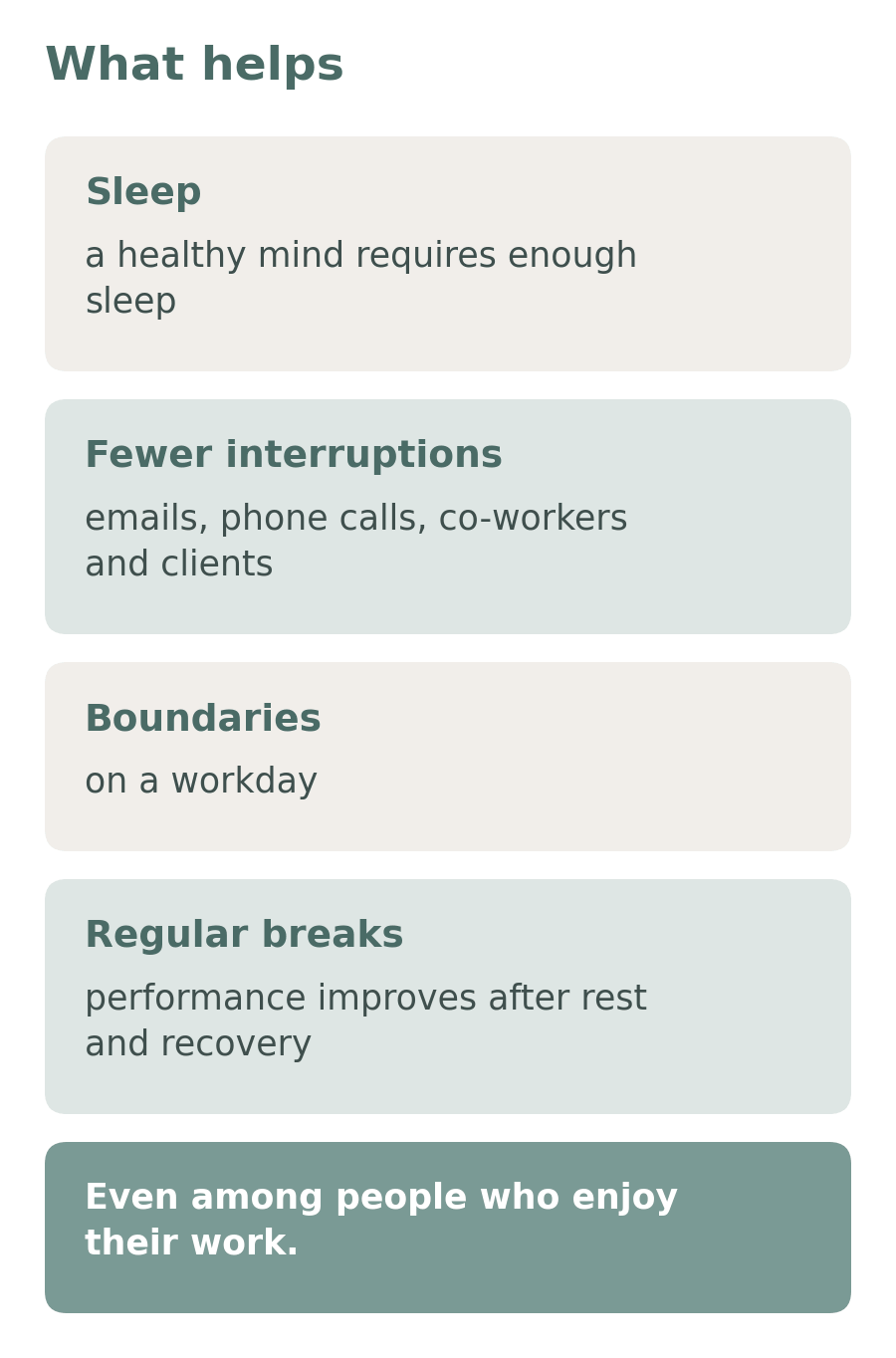
So here are some tips that can assist in the reduction of work stress:
Getting enough sleep- A healthy mind requires enough sleep. Most would agree that adequate sleep is the most important element in reducing stress and living a balanced lifestyle.Â
Keeping to a healthy sleep routine, reducing use of electronics before bed and simply an earlier bedtime are all recommended as a means of ensuring adequate sleep.
Reduce the number of interruptions at work- Emails, phone calls, co-workers and clients, many of us can relate to being bombarded from a multitude of sources vying for our attention throughout the day. The high number of distractions encountered in the modern workplace, is a factor in workplace stress.Â
Allocating structured time periods to deal with tasks requiring communication and collaboration, would enable one to better manage and control interruptions, while setting aside the rest of the day to concentrate on the task at hand.
Setting boundaries on a workday- Continually increasing workload, changes to work environment and unrealistic work expectations increase the chances of burnout, which is characterised by constant fatigue, cynicism, feelings of disenchantment and loss of motivation.Â
Without clear boundaries, the temptation to continue working is more difficult to contain. Reducing the temptation to overwork requires the identification of factors contributing to the need to put in long hours. These can include:Â
Unrealistic deadlines;Â
Scheduling interruptions and work across timelines;Â
Readily available access to communication (email, phone, chat).Â
Once identified, these factors can be changed. This may include scheduling work and rest times, having a discussion with management about reasonable workloads and expectations and controlling technology access.
Ensuring that regular breaks are taken- Research shows workplace performance improves after a period of rest and recovery, even among people who enjoy their work.Â
Whilst taking breaks is important, taking the right types of breaks is also significant. Some suggestion include: Going outside where practical since fresh air has been found to increase energy levels; Resting eyes from all of the screens; Doing some brief stretching exercises; Eating the right food and drinking plenty of water.Â
Thereâs no escaping the fact that work is a stressful place. Yet itâs when that stress becomes a constant presence in our lives that we need to start worrying about it. Too much exposure to stress makes us worse at our jobs. It puts us at risk and can have serious consequences to our physical health.Â
If you would like some support with better managing work stresses, why not give us a call today? Our team of highly skilled and well-experienced psychologists are here to help.Â
This blog was written by Lana Lubomirska, Psychologist at Your Mind Matters.Â
Lana is a warm, friendly and empathic practitioner with experience in working with children, adolescents and adults from different cultural and socioeconomic backgrounds.Â
Lana uses a variety of evidence-based therapies to support clients in addressing difficulties with anxiety, depression, relationship issues, friendship problems and educational stresses. These include Acceptance and Commitment Therapy, Cognitive Behaviour Therapy, Motivational Interviewing, Solution Focused Therapy and Mindfulness Techniques as well as elements of psychodynamic and play therapies.
Lana works with us 2 evenings per week.Â
References
Author Unknown (2019). Burnout: A Growing Mental Health Crisis Employers Are Regrettably Dismissing. Corporate Wellness Magazine. July 17, 2019
Medibank (2019). Are our jobs making us more stressed than ever? 21/1/2019
Smallwood, J. and Schooler, J (2015). The Science of Mind Wandering: Empirically Navigating the Stream of Consciousness. Annual Review of Psychology, Vol. 66:487-518.
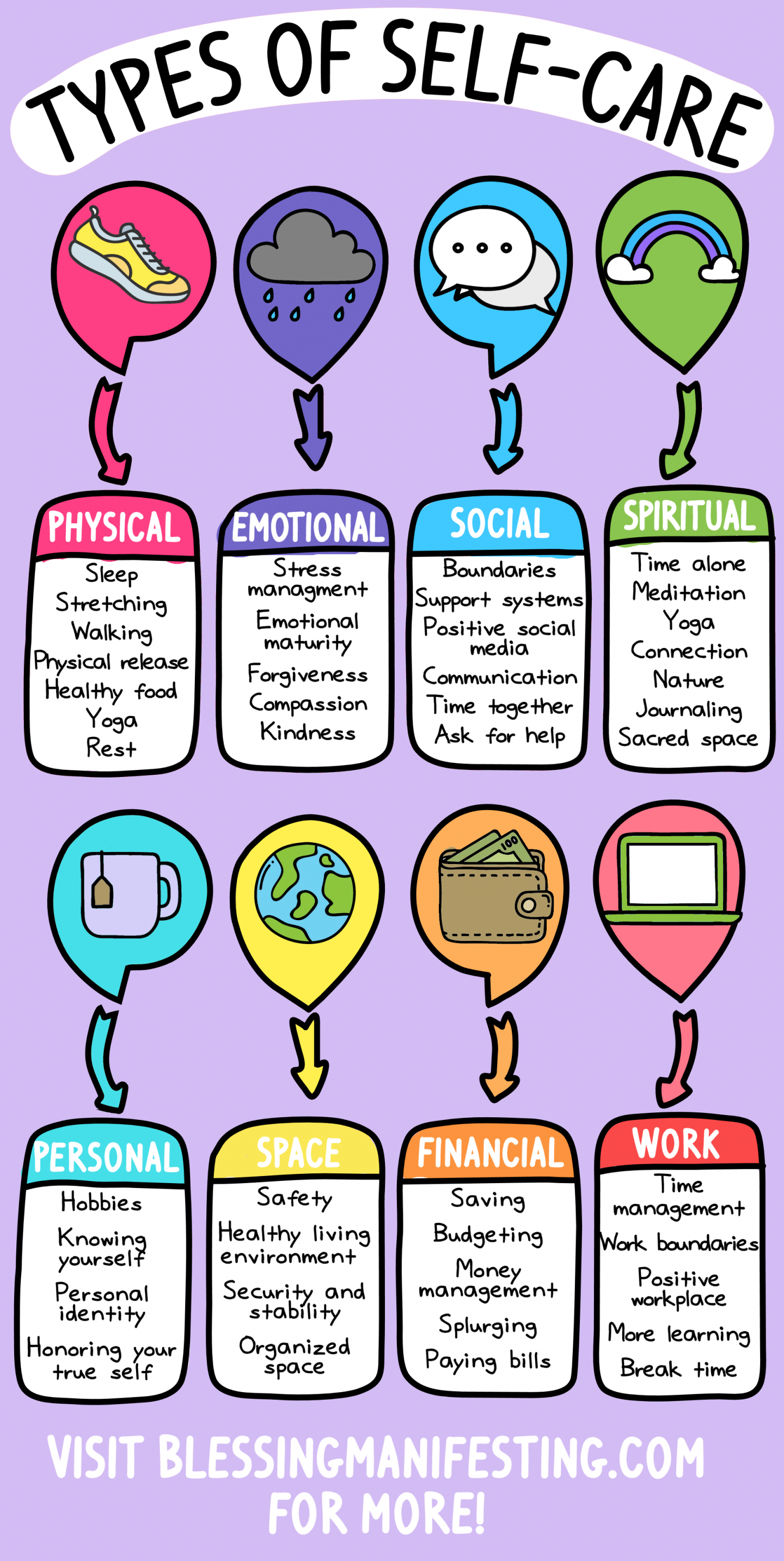
One of our psychologists has taken the time to put together a batch of her favourite self care resources! The team at YMM loves it and we thought we should share if with you.
Here are some resources on self care and self compassion :
Self-care printable: some questions and ideas that may be helpful when in need of self-care
If you are going through difficulties and need support, why not give us a call today? Â Our team of highly skilled and well-experienced Psychologists are here to help. Â
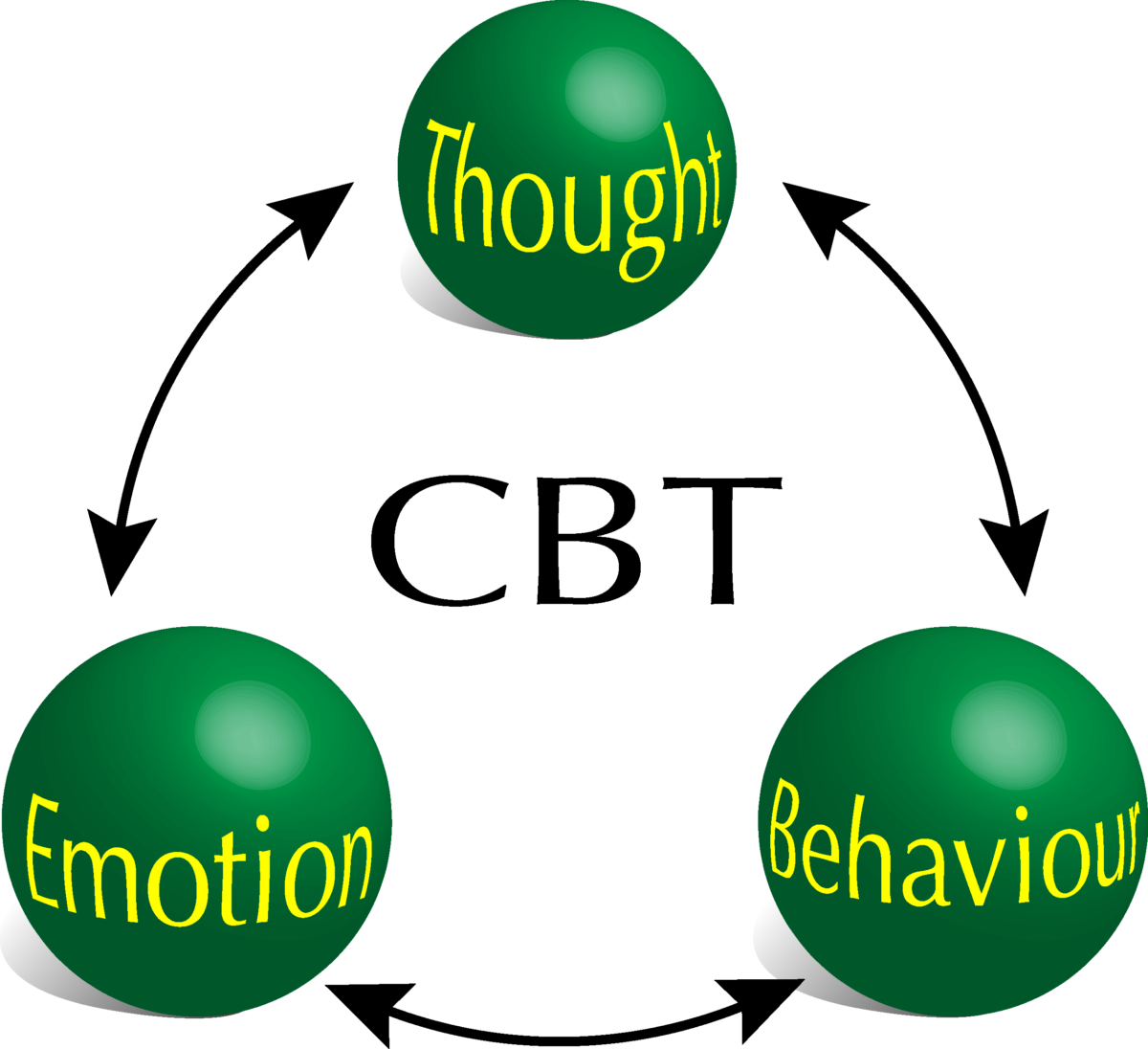
CBT is an intervention that takes a practical, task based approach to solving problems. The focus of CBT is to address symptoms while they are present and to learn skills and techniques that can be used in the ongoing improvement of mental health. It is a psycho-educational approach that teaches clients to applymethods and techniques and effectively become their own therapists by understanding and managing their thinking (cognitive), feelings (emotions), and actions (behaviour).
The aim is to assess the negative thoughts a person is having about themselves, and their view of the world, and to replace them with more positive and constructive thoughts and behaviours. By addressing the thoughts and behaviours which contribute to the development and maintenance of problems, CBT seeks to offer a holistic approach to mental health care.
Why is CBT so popular?
One of the reasons CBT is so well-known and widely used is because it has been studied so extensively. It is known to be an evidence-based technique that aims to produce clear, measurable changes in thoughts and behaviours. CBT can be used for a variety of undiagnosed or diagnosed condition such as phobias, anxiety, depression, trauma, self-esteem issues, and ADHD, to relational problems like poor communication.
Is CBT for you?
Cognitive behaviour therapy is suitable for people looking for a short-term treatment option for certain types of emotional distress that does not necessarily involve pharmacological intervention. CBT is often best suited for clients who are more comfortable with a structured and focused approach in which the therapist often takes an instructional role. One of the greatest benefits of cognitive behaviour therapy is that it helps clients develop coping skills that can be useful both now and in the future. However, for CBT to be effective, the individual must be ready and willing to spend time and effort analyzing his or her thoughts and feelings. Such self-analysis and homework can be difficult, but it is a great way to learn more about how internal states impact outward behaviour.
If you are going through difficulties and need support, why not give us a call today? Â Our team of highly skilled and well-experienced Psychologists are here to help. Â
References
Beck, A. T. (1967). Depression: Causes and treatment. Philadelphia: University of Pennsylvania Press.
Tolin DF. Is cognitive-behavioral therapy more effective than other therapies? A meta-analytic review. Clin Psychol Rev 2010;30:710â20.
This blog was written by Aanchal Sood, Psychologist at Your Mind Matters.
Aanchal completed studies in psychopharmacology and psychology in England, and is fluent in both Hindi and Punjabi.
Aanchal has experience assisting adolescents, adults and couples to address a variety of difficulties including anxiety and mood disorders, grief and loss, trauma and stress related disorders, adjustment issues (e.g. cultural adjustment), sleep difficulties, relationship difficulties, schizophrenia spectrum and other psychotic disorders, obsessive compulsive and related disorders.Â
Why is eating healthy also good for your mind and mood?
Itâs a no brainer that eating healthy can improve your physical wellbeing. However, did you know that eating healthy can also improve your mental wellbeing? In this blog, we discuss some exciting research that suggest that what we eat can also affect how we think and feel.
The Food and Mood Centre (Deakin University) recently published a ground-breaking study looking at the relationship between diet and depression. Participants diagnosed with moderate to severe depression were randomly allocated to receive either dietary support or social support group. The dietary group had seven consultation sessions with a nutritional expert and were encouraged to adopt a modified Mediterranean diet â lots of fruit, vegetables, wholegrains and healthy fats. The social support group had seven sessions with a researcher in which they engaged in neutral conversations. At the end of the 3-month trial, the results showed that the dietary group had a greater reduction in depressive symptoms compared to the social support group. Overall, this research provides strong evidence that dietary changes should be considered in the treatment of depression.
Now letâs look at two main reasons why changing diet can affect your mood. First, there is a lot of research which shows that beyond just digesting food, the gut can influence what goes on in our brain (Enders, 2015; Mayer, 2016). Scientists have found that the lining of the human gut wall contains a network of nerves that is as large and complex as the brain. This âgut-brainâ can talk to the brain through a vagus nerve and affect different areas in the brain that control emotion, fear, self-awareness and motivation. Also, most of the signals that travel along the vagus nerve come from the gut not the brain. Interestingly, scientists have found that stimulating the vagus nerve alone can make a person feel more anxious or relaxed. Therefore, in 2010, the European Union approved the use of vagus nerve stimulation for severely depressed patients that did not respond to conventional treatment.
Second, recent research suggests that the type of bacteria in your gut can affect your motivation and mood. New antidepressants are often first tested on âdepressedâ mice who are forced to swim around a container of water too deep for them to stand; mice who take the antidepressants should swim longer than mice who do not. Some scientists took this further and fed some mice with a strain of âgoodâ gut bacteria (Lactobacillus rhamnosus JB-1). The result was that mice with the âgoodâ gut flora swam longer. Essentially, this means that eating food that encourage âgoodâ gut bacteria â such as yoghurt, sauerkraut and kimchi â is not only good for your immune system but also good for your mood!
Weâve only just skimmed the surface of the fascinating world of gut-brain psychology. There is also so much that we still donât know about the gut-brain connection, gut bacteria and how it is related to how we think and feel. However, we can definitely say that what we put into our gut has a strong effect on how we think and feel. Maybe there is scientific truth to the idea that we are what we eat âș
If you would like some support with managing your mood through diet, why not give us a call? Our team of highly-skilled psychologists are here to help.
References:
Cryan, J C. & Dinan, T. (2012). Mind-altering microorganisms: the impact of the gut microbiota on brain and behaviour. Nature Reviews, 12, pp 701-712.
Enders, G. (2015). Gut: The inside story of our bodyâs most underrated organ. Melbourne-London: Scribe.
Jacka, F.N. et al. (2017). A randomised controlled trial of dietary improvement for adults with major depression (the âSMILESâ trial). BMC Medicine. 15 (1), 23.
Mayer, E. A. (2016). The mind-gut connection: how the hidden conversation within our bodies impacts our mood, our choices, and our overall health. New York: Harper Collins.
We all have those friends or family members who seem to fall pregnant the instant they decide to have a child. This is fantastic for them, however, for those who have been trying for months to conceive, or maybe years, the news can be bitter-sweet. What hurts even more is when people ask âwhen are you going to start a family!?â, not realising you have been trying and agonising over it, or when you see, yet again, ANOTHER negative pregnancy test result.
Every month, if you have a 28-day cycle, is a waiting game. Thereâs hoping, but also not wanting to get your hopes up. Lots of Googling about what could possibly help with falling pregnant. Oh, and donât forget all the money youâve spent on ovulation tests, pregnancy tests, and (for those further along the journey) specialist appointments. Thereâs the feeling of grief when you get your period, thereâs tears, feelings of inadequacy, anger, and sometimes sheer despair.
A lot of people donât realise that you donât have to lose a child or a pregnancy to experience loss, stress, grief, and a sense of hopelessness. They also donât realise that when you reach out for help and to talk it out, that âyouâre stressing too much, try to relaxâ is not helpful.
This is why accessing professional support can be so helpful. Falling pregnant can be extremely difficult, and more distressing than most people realise (unless they have been through it themselves). And whilst I would love for you to call us and book in if you are facing this very issue, I know that your journey is yours, and you need to do whatâs right for you at this point in time. So, what can you do to help yourself?
Get educated – You need to learn how your cycle works – start tracking it in an app. Many women have cycles which are not 28 days in length, which could mean you arenât trying to conceive when you are actually ovulating (you can purchase ovulation kits to help you work this out).
Speak to your GP â they may be able to conduct some tests, provide you with some more information, or refer you to a specialist if they have reasons to believe you need extra intervention.
Take better care of yourself â this means eating well, taking time to unwind, to exercise, and have fun. Start cutting out things that arenât good for your body, such as smoking, binge drinking, or taking illicit drugs. Think about what makes you happy, and DO IT. Do the things you may not be able to do as easily if you start a family.
Connect with others on the same journey â there are lots of supportive Facebook groups you can join where people share their stories, resources, and a laugh.
Remember, you have options! IVF has come a long way and is now more accessible and affordable than ever with private (e.g. Monash and Melbourne IVF) and public IVF clinics available in Melbourne (e.g. Adora Fertility, formerly Primary IVF).
Talk it out with someone you trust â sometimes just talking it out can make the world of difference. Bear in mind, your trusted person will try to alleviate your worries by offering advice or solutions, but if you just need them to sit and listen, let them know. If you want them to distract you, say so. Ask for what you need.
Let go of your expectations, âshouldsâ and the comparing â Donât compare yourself to the person who fell pregnant within their first month of trying. Mind you, this is quite unusual â 8 months is the average time it takes for a woman to conceive! Also, let go of all the âshoulds” you have (e.g. âI should be pregnant by nowâ). These thoughts are not helpful. If you find yourself doing this, kindly remind yourself that youâre doing your best and do something nice for yourself.
If youâve been trying to fall pregnant for over a year, ask your GP to refer you to a specialist â Specialists can check if you are actually ovulating, if there are any medical issues which need addressing (e.g. PCOS, partnerâs low sperm count), and guide you on the best way to move forward.
Remember, this is a journey, and your journey is unique. How you navigate your way through is totally up to you. Â If at any time on your journey youâd like some extra support, give our office a call. Weâre always here to help.
  Â
 About the author:
This blog was written by Laura Forlani, Director and Clinical Psychologist at Your Mind Matters.   Â
Laura has experience helping adults overcome a wide variety of difficulties such as mood and anxiety disorders, problems arising due to changes in personal circumstances (e.g. family breakdown or a change in career) and has a special interest in helping clients on their journey to becoming parents.
Laura’s approach to therapy involves education, collaboration, and evidence-based interventions such as cognitive-behaviour therapy, skills training, and relaxation strategies.Â
Anger is a normal feeling that everyone has felt at some point in their life. However, anger is a feeling that has a negative connotation to it. People often think of or relate anger to aggression, violence, or see it as form of rebellion. However, there is nothing wrong with feeling angry. In fact, if one can direct and turn this powerful feeling into a form of motivation to create change for the better, it is actually a feeling that we do not have to be afraid of.
 While anger is a normal human emotion and not a bad thing, the way people express and manage anger is an area that we need to be concerned about.
Of the many children I see in practice, a good amount of them are referred to receive assistance in managing their anger. This is because, anger can cause a strong physiological change in our body. Children who have not been taught how to manage and express this feeling appropriately can struggle to regulate the increased level of energy generated by anger. Hence, some children resort to lashing out, hitting, kicking, shouting, screaming, throwing things, punching etc. You get the idea.
At what stage do we need to start getting concerned about how children are expressing their anger? Ask yourself:
Are the behaviours your child is exhibiting a risk of harm to your child and/or others?
Is your child being described as âout of controlâ in other settings such as school?
Is your child consistently getting into serious trouble at school?
Are your childâs behaviours impacting his/her social life (e.g. are other children avoiding him/her?)
Are your childâs behaviours resulting in an increased level of tension within the home and conflict between family members?
Is your child feeling upset and disappointed in him/herself because he/she feels he/she cannot control his/her anger?
When your child is continuously presenting with emotional dysregulation, it typically is a sign of distress. Therefore, it is important to understand the factors that could be triggering your childâs behaviour.
The following are some good articles that you may be interested in reading, if you are wondering if your childâs anger is something you need to be worried about.
Please do not hesitate to contact Your Mind Matters Psychology Services on 9802 4654, should you wish to discuss your concerns about your child with one of our psychologists.
This blog was written by Dr Aiyuen (Shannon) Choong, Psychologist at Your Mind Matters. Aiyuen is fluent in English and Mandarin, and is passionate about working with children from preschool years through to adolescence.Â