
Understanding the Differences: ADHD vs Anxiety in Children


Understanding the Differences: ADHD vs Anxiety in Children
Parents often notice their child struggling but can’t tell if it’s ADHD or anxiety causing the difficulties. Both conditions share similar signs, making it confusing to know where to start. Understanding the differences in symptoms can help you decide when to seek an ADHD assessment or anxiety assessment. This guide from a Melbourne psychologist sheds light on what to look for and why early support matters.
Recognising ADHD in Children
Understanding ADHD involves looking at specific symptoms and how they manifest in daily life. Knowing these signs helps you take the right steps.
Common Symptoms and Behaviours
Children with ADHD often can’t sit still or focus on tasks. You might notice your child acting impulsively, like interrupting conversations or making hasty decisions. They may also struggle to follow instructions, even for simple tasks. Teachers often observe these behaviours in school settings where focus is crucial. An ADHD assessment can help clarify if these behaviours are more than just energetic antics.

These symptoms can vary widely. Some children might show extreme restlessness, while others may appear inattentive and forgetful. It’s important to remember that every child is different. Your child might exhibit all these signs, or just a few. Recognising these behaviours early can guide you towards professional help.
How ADHD Affects Daily Life
ADHD can make everyday tasks challenging. At home, children might forget chores or have difficulty completing homework. At school, they may struggle to keep up with lessons, leading to frustration. Socially, impulsive behaviours might affect friendships, as others find it hard to understand their actions. This can lead to feelings of isolation or low self-esteem.
Parents often feel the impact too. Managing a child’s schedule can become overwhelming. You might constantly remind them of tasks or face difficulties during family outings due to unpredictable behaviour. Seeking professional guidance can offer strategies to manage these challenges effectively.
Identifying Anxiety in Children
While ADHD is about activity and impulsivity, anxiety revolves around worry and fear. Recognising these signs is crucial for getting the right support.
Physical and Emotional Signs
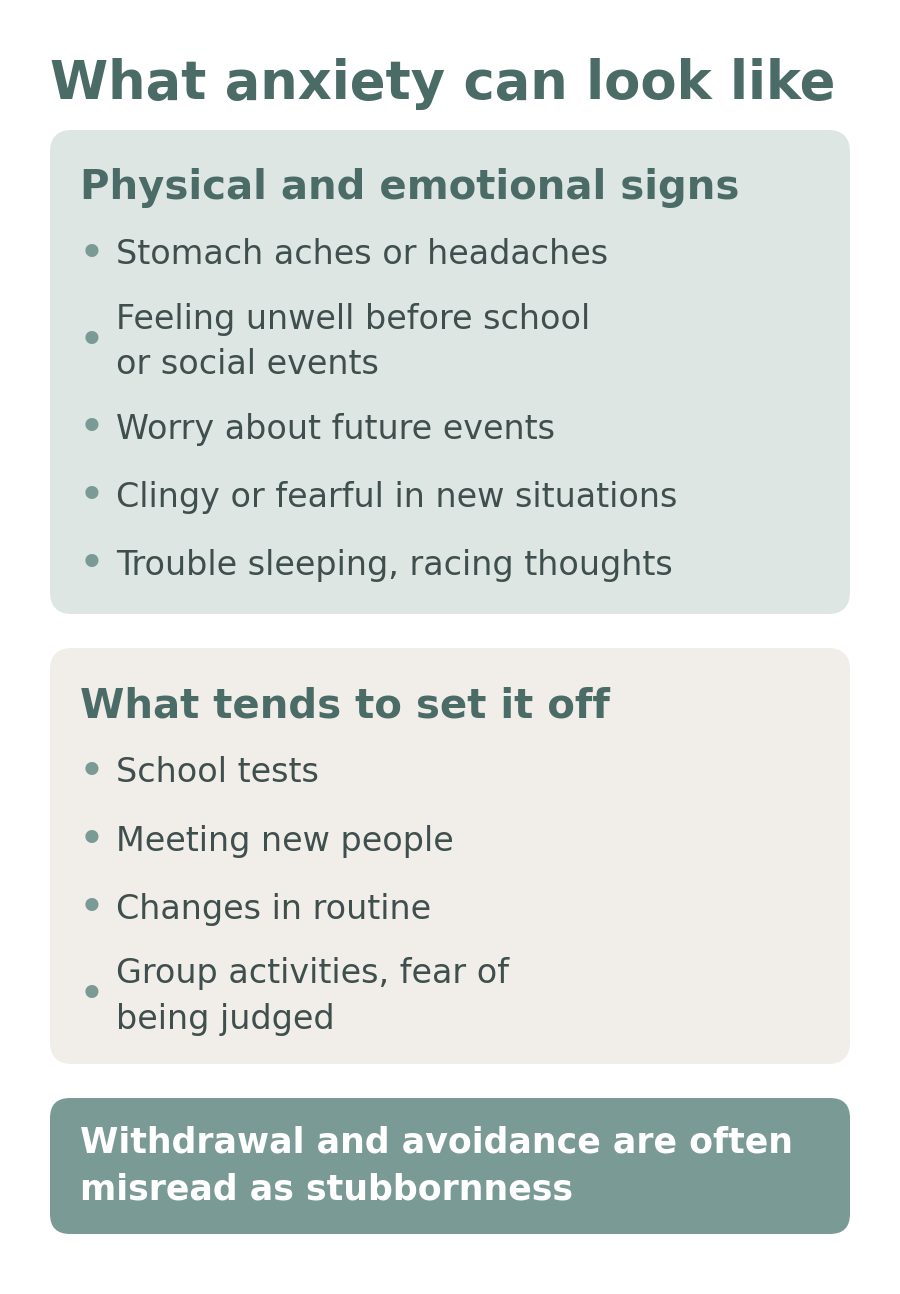
Anxiety in children often shows through physical symptoms like stomach aches or headaches. Your child might complain of feeling unwell before school events or social gatherings. Emotionally, they might express worry about future events, or appear clingy and fearful in new situations. These signs can be subtle and easily mistaken for shyness or moodiness.
It’s also common for anxious children to have trouble sleeping. They might have nightmares or find it hard to fall asleep due to racing thoughts. Observing these patterns can help you consider if anxiety assessments are needed. Understanding these signs helps in getting appropriate support.
Situations That Trigger Anxiety
Certain situations can heighten anxious feelings in children. School tests, meeting new people, or changes in routine might trigger stress. Your child could become withdrawn or show avoidance behaviours, like refusing to attend school. These reactions can sometimes be misinterpreted as stubbornness or laziness.
Social situations often pose a challenge. Children might fear being judged or embarrassed, leading to reluctance in participating in group activities. Recognising these triggers allows you to support your child better. Professional help can provide strategies to manage anxiety effectively.
Why Early Assessment Matters
Getting an assessment can make a big difference. It helps pinpoint the exact issue and guides you on the next steps for support and management.
Benefits of Professional Evaluation
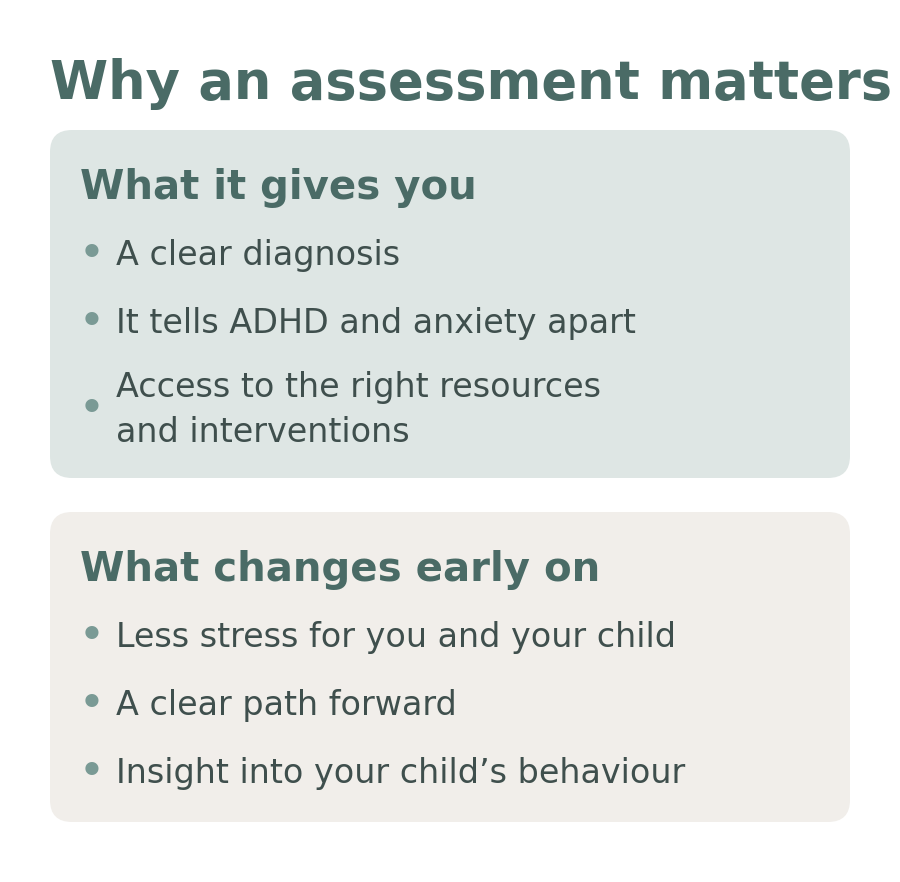
A professional evaluation offers a clear diagnosis, which is crucial for effective treatment. It helps differentiate between ADHD and anxiety, ensuring your child receives the right support. This assessment also opens doors to resources and interventions that can improve your child’s daily life.
Early diagnosis can lead to better outcomes. It reduces stress for both you and your child by providing a clear path forward. You’ll gain insights into your child’s behaviour, making it easier to support them.
How to Get Started with a Melbourne Psychologist at Your Mind Matters
Starting the journey with a psychologist is simple. Reach out to Your Mind Matters in Melbourne to discuss your concerns. They’ll guide you through the assessment process, explaining each step clearly. Their experienced team ensures you feel supported and informed.
Taking the first step can be daunting, but remember, you’re not alone. Professional help can transform challenges into manageable parts of daily life. Reach out to Your Mind Matters today for a comprehensive assessment

Our Blog Author
This post was written by the team at Your Mind Matters. Assessment and support for children with ADHD and anxiety continue to be part of our services. Meet our team.